

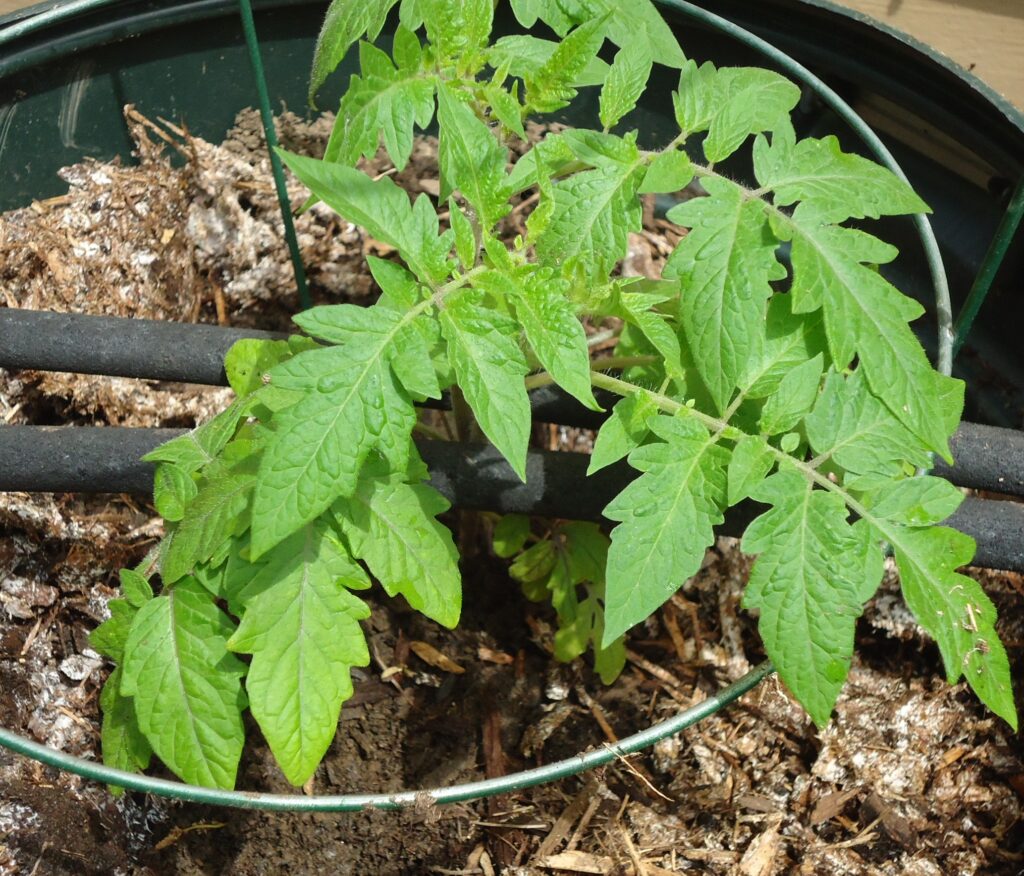
February is the perfect time for starting tomato and pepper seeds indoors in February, especially here in Florida where our growing season starts earlier than most places. I get so excited this time of year because it means I’ll have strong, healthy seedlings ready to transplant when the weather warms up. There’s something magical about watching those tiny seeds transform into the plants that will feed my family all season long. Starting Tomato and Pepper Seeds Indoors in February is a popular choice for gardeners.
Starting your own seeds gives you so much more variety than buying plants from the store. You can grow heirloom tomatoes with incredible flavors, or try exotic pepper varieties that you’d never find at a nursery. Plus, it’s way more affordable when you want to grow lots of plants!
Getting Your Seeds Ready for Starting Tomato and Pepper Seeds Indoors in February
I always start by choosing varieties that work well in our Florida heat. For tomatoes, I love ‘Phoenix’, ‘Heat Master’, and ‘Celebrity’ because they handle our intense summer sun. For peppers, ‘Hungarian Hot Wax’, ‘Cubanelle’, and any of the superhot varieties do amazing here.
Before I plant anything, I do a germination test on older seeds. I place 10 seeds on a damp paper towel, fold it up, and stick it in a plastic bag in a warm spot. After a week, I count how many sprouted to know if the seeds are still good.
Both tomatoes and peppers need warm soil to germinate well. I keep my seed trays on top of the refrigerator or use a heating mat to maintain temperatures around 70-80°F. Without that warmth, germination can take forever or fail completely.
The key to success is using a good seed starting mix, not regular potting soil. I use a blend that drains well but holds moisture. My go-to recipe is equal parts peat moss, vermiculite, and perlite with a little compost mixed in.
The Best Setup for Starting Tomato and Pepper Seeds Indoors
Also read: How to Grow Tomatoes From Seed
I’ve tried every container imaginable over the years, and my favorites are the plastic cell packs from the garden center. They’re deep enough for good root development and have drainage holes already. You can also use yogurt cups or any small container as long as you poke holes in the bottom.
Lighting is where a lot of people go wrong. Regular household bulbs won’t cut it for growing strong seedlings. I invested in a simple shop light with T5 fluorescent bulbs, and it’s been a game changer. The lights need to be just 2-3 inches above the seedlings and on for 14-16 hours a day.
I plant my seeds about 1/4 inch deep, which is roughly twice the width of the seed. Tomato seeds are tiny, so they barely need any soil coverage. Pepper seeds are a bit bigger and can handle being planted slightly deeper.
After planting, I cover the trays with plastic wrap to keep the humidity high until germination. Once I see those first green shoots popping up, off comes the plastic and on go the lights. This usually happens within 5-10 days for tomatoes and 7-14 days for peppers.
Daily Care for Your Indoor Tomato and Pepper Seedlings
Watering is probably the trickiest part of growing seedlings. I learned the hard way that overwatering kills more seedlings than anything else. The soil should be moist but not soggy, kind of like a wrung-out sponge.
I water from the bottom by placing the seed trays in a shallow pan of water for about 30 minutes. This prevents the delicate stems from getting knocked over and reduces the risk of fungal diseases. The soil soaks up exactly what it needs.
Once the seedlings have their first true leaves (not the initial seed leaves), I start feeding them with a diluted liquid fertilizer. I use about 1/4 strength of what the package recommends, applied every other week. Too much fertilizer creates weak, leggy plants.
Air circulation is super important but often overlooked. I run a small fan on low speed near my seedlings for a few hours each day. This strengthens the stems and prevents damping-off disease, which can wipe out entire trays of seedlings overnight.
Preparing Your Seedlings for the Garden
About two weeks before your last frost date (which here in central Florida is usually mid to late February), you need to start hardening off your seedlings. This means gradually exposing them to outdoor conditions so they don’t go into shock when transplanted.
I start by putting them outside in a protected spot for just an hour or two. Each day, I increase the time and gradually move them into more sun and wind. By the end of the week, they’re outside all day and only come in at night.
The University of Florida extension office recommends transplanting when soil temperatures consistently stay above 60°F and nighttime temperatures don’t drop below 50°F. In most of Florida, this happens by mid-March.
Before transplanting, I always prepare my garden beds with plenty of compost and make sure the soil drains well. Both tomatoes and peppers hate wet feet, and our heavy summer rains can be challenging. Raised beds or containers work great if your soil doesn’t drain properly.
Starting tomato and pepper seeds indoors in February has completely transformed my gardening success. My plants are stronger, more productive, and I get to enjoy varieties that would be impossible to find otherwise. The extra effort in these early weeks pays off with months of incredible harvests.
Don’t be discouraged if your first attempt isn’t perfect. I’ve killed my share of seedlings over the years, but each failure taught me something valuable. Start small, pay attention to what your plants are telling you, and enjoy the process of growing your own food from seed!
