

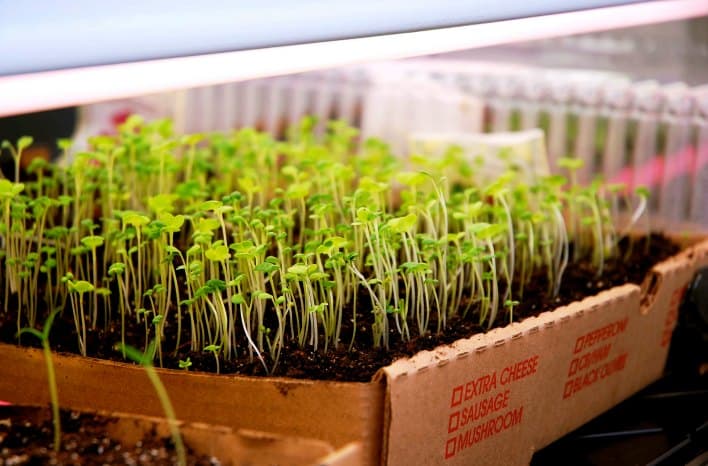
Starting seeds indoors is one of my absolute favorite parts of gardening! There’s something magical about watching those tiny seeds transform into healthy seedlings right on your windowsill. I’ve been doing this for years here in Florida, and it never gets old.
The best part about starting seeds indoors is that you get complete control over your plants from day one. You can choose exactly which varieties to grow, ensure they get the perfect start, and have seedlings ready to transplant at just the right time. Plus, it’s way more affordable than buying plants from the nursery!
Getting Started with Indoor Seed Starting
When I first tried starting seeds indoors, I made it way more complicated than it needed to be. You really don’t need fancy equipment to get started! A sunny windowsill, some seed starting trays, and quality potting mix will do the trick just fine.
The timing is super important, especially here in Florida where our growing seasons are different from up north. I usually start my warm-season crops like tomatoes and peppers indoors about 6-8 weeks before our last frost date. For us in central Florida, that means starting seeds in late January or early February.
Seed starting mix is different from regular potting soil, and trust me, it makes a difference. The mix is finer and lighter, which helps those tiny seeds germinate better. I learned this the hard way when my first batch of seeds struggled in heavy potting soil that stayed too wet.
Temperature matters more than most people realize. Most seeds germinate best when the soil temperature stays between 65-75°F. In Florida, this usually isn’t a problem, but if your house runs cold, consider getting a heat mat to place under your seed trays.
Essential Supplies for Starting Seeds Indoors
For more gardening tips, check out: How to Propagate Succulents
You don’t need to break the bank to start seeds successfully! I keep my setup pretty simple and it works great year after year. Seed starting trays with individual cells are my go-to because they make transplanting so much easier later on.
A good spray bottle is essential for keeping the soil moist without washing away tiny seeds. I use mine multiple times a day during germination because the soil can dry out quickly, especially in our Florida heat. Those little seedlings are surprisingly thirsty!
Grow lights aren’t absolutely necessary if you have a bright south-facing window, but they’re a game-changer if your indoor light isn’t great. I added LED grow lights to my setup a few years ago and noticed a huge difference in how sturdy and green my seedlings grew.
Don’t forget labels! I can’t tell you how many times I thought I’d remember which variety was which, only to end up with mystery plants. University extension guides recommend labeling everything immediately after planting, and they’re absolutely right.
The Indoor Seed Starting Process
Starting your seeds is actually pretty straightforward once you know the steps. I fill my seed trays with damp seed starting mix, making sure it’s moist but not soggy. The soil should feel like a wrung-out sponge when you squeeze it.
Plant your seeds at the right depth, which is usually about twice the seed’s width. Tiny seeds like lettuce barely need any covering, while bigger seeds like beans can go deeper. I always plant 2-3 seeds per cell because not every seed will germinate, and you can thin them out later.
Keep the soil consistently moist but never waterlogged. This is where that spray bottle comes in handy! I check my trays twice a day and give them a gentle mist if the surface looks dry. Once the seeds start sprouting, they’ll need even more consistent moisture.
Most seeds will start showing green within 7-14 days, though some can take longer. Don’t give up too early! I’ve had seeds surprise me by popping up three weeks after planting. The key is maintaining that consistent moisture and temperature.
Caring for Your Seedlings
Once your seeds germinate, they become little light-hungry machines! If you’re using a windowsill, rotate the trays every few days so the seedlings don’t get leggy reaching for the light. Leggy seedlings are weak and don’t transplant well.
Fertilizing seedlings is different from feeding mature plants. I use a very diluted liquid fertilizer once the seedlings have their first set of true leaves. These are the leaves that look like the adult plant, not the initial seed leaves that pop up first.
Thinning is hard but necessary! If multiple seeds sprouted in one cell, you’ll need to remove the weakest ones. I use small scissors to cut them at soil level rather than pulling them out, which can disturb the roots of the keeper plant.
Florida gardeners need to be especially careful about hardening off seedlings before transplanting. Our intense sun and heat can shock plants that have been pampered indoors. I gradually expose my seedlings to outdoor conditions over about a week before planting them in the garden.
Starting seeds indoors has completely changed how I approach gardening. There’s nothing quite like the satisfaction of growing your own plants from tiny seeds! The process becomes addictive once you see how well it works.
Don’t be discouraged if your first attempt isn’t perfect. I definitely killed my share of seedlings when I was learning, but each season gets easier. With a little practice, you’ll be starting seeds indoors like a pro and enjoying the healthiest plants you’ve ever grown!
