

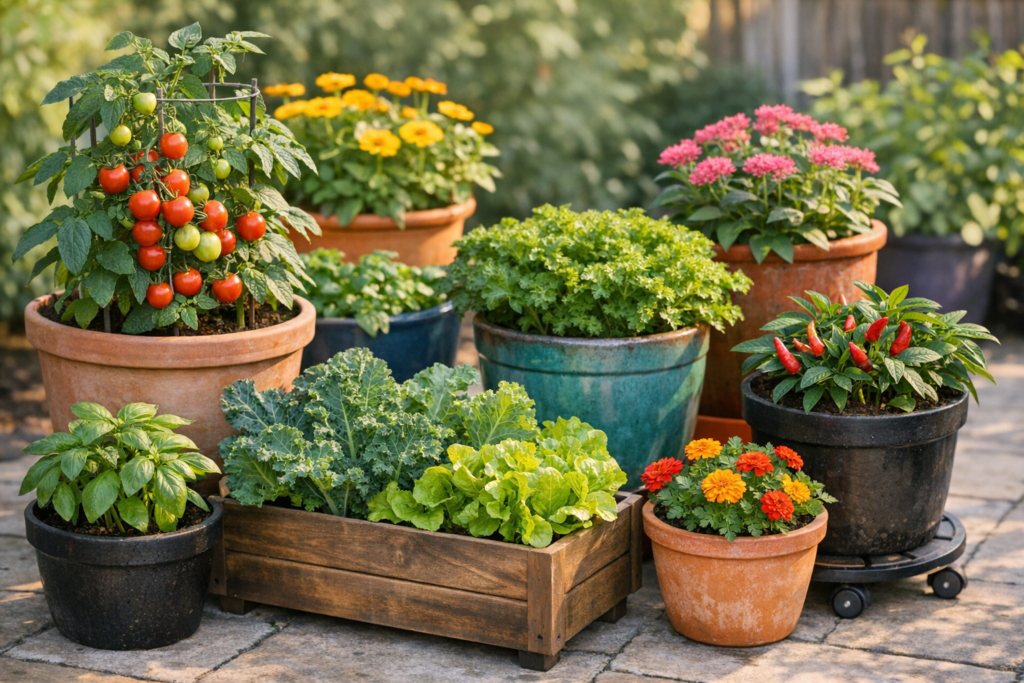
Starting a container garden is one of the smartest gardening decisions you can make, especially here in Florida where our sandy soil and intense heat can be challenging. I’ve been growing in containers for over a decade, and honestly, some of my best plants have come from pots rather than my garden beds. Container gardening gives you complete control over your soil, makes it easy to move plants around for optimal sun exposure, and lets you garden even if you only have a balcony or patio.
The beauty of container gardening is that it’s perfect for beginners and experienced gardeners alike. You can start small with just a few herbs on your windowsill and expand from there. Plus, containers make it so much easier to protect your plants during Florida’s unpredictable weather, whether that’s moving them out of the blazing afternoon sun or bringing them inside during a surprise cold snap.
Choosing the Right Containers for Your Garden
The container you choose can make or break your gardening success, and I learned this the hard way when I first started. Size matters way more than you might think. Most vegetables need at least 5-gallon containers to develop properly, while herbs can thrive in smaller 1-2 gallon pots. I always tell people to go bigger than they think they need because plants will surprise you with how much they grow.
Drainage is absolutely critical, especially in Florida’s humid climate where excess moisture can lead to root rot quickly. Every container needs drainage holes in the bottom, and I mean multiple holes, not just one tiny one. If you fall in love with a decorative pot that doesn’t have drainage, you can drill holes yourself or use it as an outer decorative cover for a plain pot with good drainage.
Material choice affects how often you’ll need to water and how your plants handle our Florida heat. Plastic containers are lightweight and retain moisture well, but they can get scorching hot in direct sun. Terra cotta pots look beautiful and help prevent overwatering by allowing excess moisture to evaporate, but they dry out quickly in our heat. I’ve found that glazed ceramic pots offer the best balance for most Florida container gardens.
Don’t forget about mobility when starting a container garden. Large containers filled with soil and plants can weigh 50 pounds or more. I use plant caddies with wheels for my bigger pots, which makes it so much easier to chase the shade during our brutal summer afternoons.
Essential Container Garden Setup and Soil
You might also enjoy: How to Get Rid of Aphids on Tomato Plants Naturally
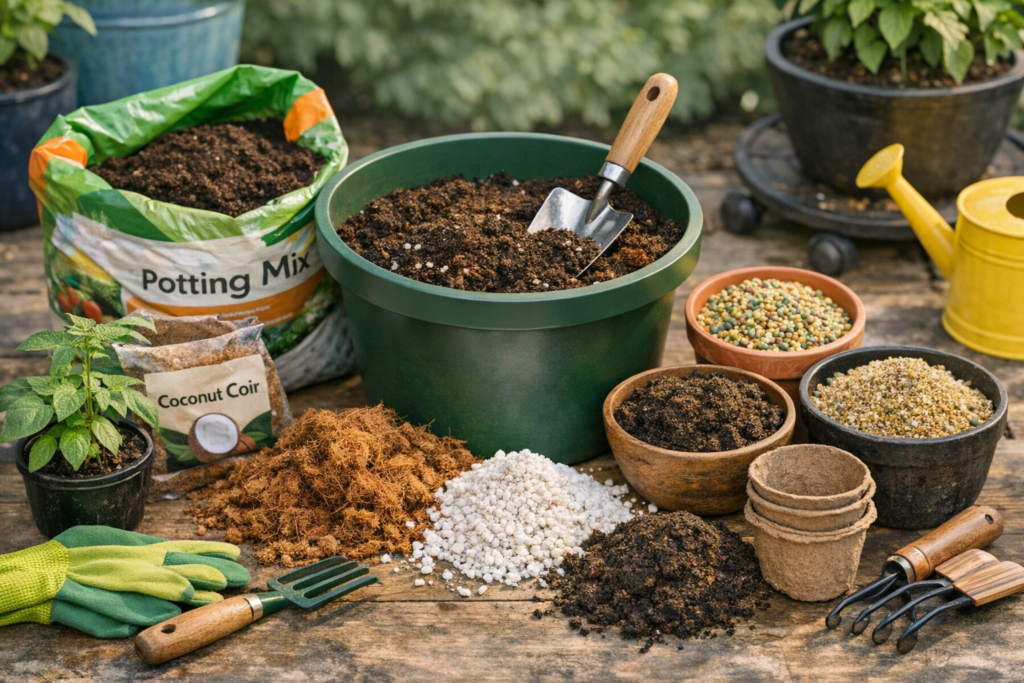
Good potting soil is the foundation of successful container gardening, and this is not the place to cut corners. Never use regular garden soil in containers because it’s too heavy and doesn’t drain properly. I use a high-quality potting mix that contains perlite or vermiculite for drainage and some slow-release fertilizer to get plants off to a good start.
In Florida’s heat, containers dry out much faster than garden beds, so I mix in some coconut coir or peat moss to help retain moisture. I also add a handful of compost to each container because our sandy Florida soil doesn’t provide much nutrition, and container plants need all the help they can get. The investment in good soil pays off with healthier plants and better harvests.
Proper planting depth and spacing become even more important in containers since plants can’t spread their roots as freely. I follow the same depth guidelines as garden planting, but I’m more generous with spacing since container plants often grow more compactly. Most seed packets and plant tags give container spacing recommendations that work well.
Mulching your containers helps retain moisture and keeps roots cooler in our Florida heat. I use shredded bark or coconut coir as mulch, keeping it about an inch away from plant stems to prevent pest problems. This simple step can cut your watering needs in half during summer months.
Best Plants for Starting a Container Garden
When you’re starting a container garden, choosing the right plants makes all the difference in your success and enjoyment. Herbs are absolutely perfect for beginners because they’re forgiving, grow quickly, and you’ll use them in your kitchen regularly. Basil, parsley, cilantro, and chives all thrive in Florida containers and can handle our heat better than many other plants.
Cherry tomatoes are my top recommendation for container vegetables because they produce heavily in relatively small spaces and taste incredible fresh from the plant. I grow ‘Sweet 100’ and ‘Surefire Red’ varieties that handle Florida’s heat and humidity beautifully. Peppers, both hot and sweet varieties, also excel in containers and actually prefer the well-draining environment that containers provide.
For flowers, marigolds, zinnias, and pentas are practically foolproof in Florida containers and bloom continuously through our long growing season. These flowers also attract beneficial insects to your container garden, which helps with pollination if you’re growing vegetables. I always tuck a few marigolds into my vegetable containers because they help deter some pests naturally.
Leafy greens like lettuce, spinach, and kale work wonderfully in containers during Florida’s cooler months from October through March. The University of Florida extension recommends growing these crops in partial shade during our mild winters, and containers make it easy to position them perfectly.
Watering and Care Tips for Container Success
Watering container plants requires a completely different approach than watering garden beds, and getting this right is essential for success. Containers dry out much faster than ground soil, especially in Florida’s heat and wind. I check my containers daily during summer months by sticking my finger about two inches into the soil. If it feels dry at that depth, it’s time to water thoroughly.
The key to proper container watering is to water deeply but less frequently rather than giving plants light, frequent sprinkles. I water until I see water running out the drainage holes, which ensures the entire root system gets moisture. This deep watering encourages roots to grow throughout the container rather than staying shallow and vulnerable to drying out.
Morning watering works best in Florida because it gives plants time to absorb moisture before the heat of the day and reduces the risk of fungal problems that can develop when leaves stay wet overnight. I try to water the soil directly rather than spraying the leaves, especially for vegetables that are prone to disease issues.
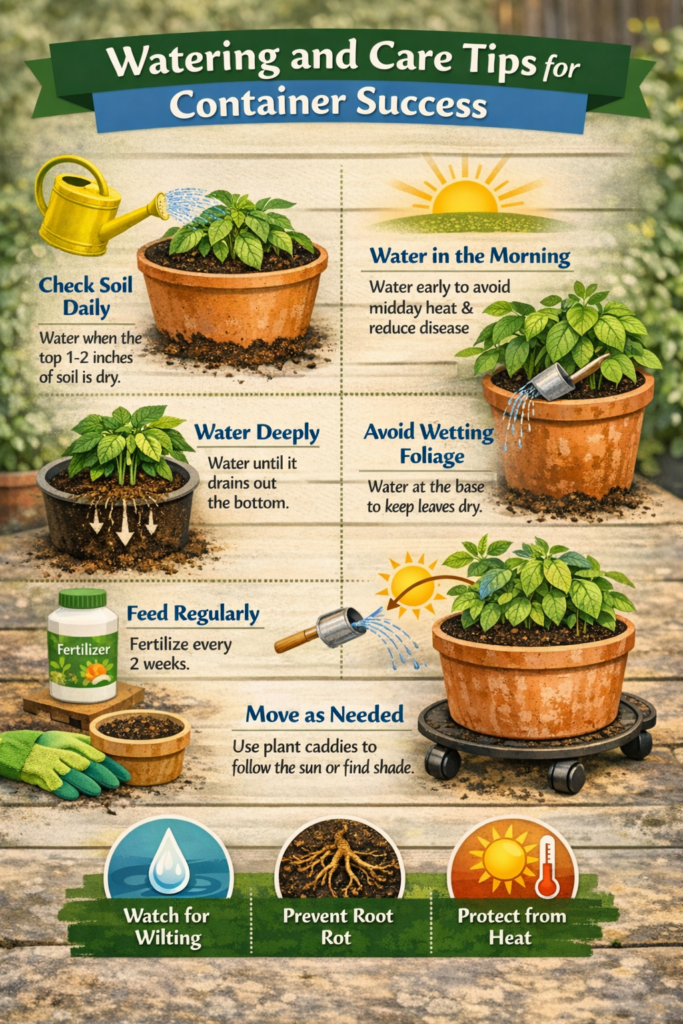
Container plants need more frequent fertilizing than garden plants because nutrients wash out through the drainage holes with regular watering. Florida gardening experts recommend using a balanced liquid fertilizer every two weeks during the growing season, or you can use slow-release granular fertilizer that feeds plants for several months.
Starting a container garden opens up so many possibilities, whether you’re working with a tiny balcony or just want more control over your growing conditions. The best part is that you can start small and expand as you gain confidence and experience. Don’t be afraid to experiment with different plants and container combinations.
Remember that every gardener learns through trial and error, and container gardening is no exception. I’ve killed my share of plants over the years, but each failure taught me something valuable that made me a better gardener. Start with easy plants, focus on getting the basics right, and most importantly, have fun with your new container garden adventure!
