

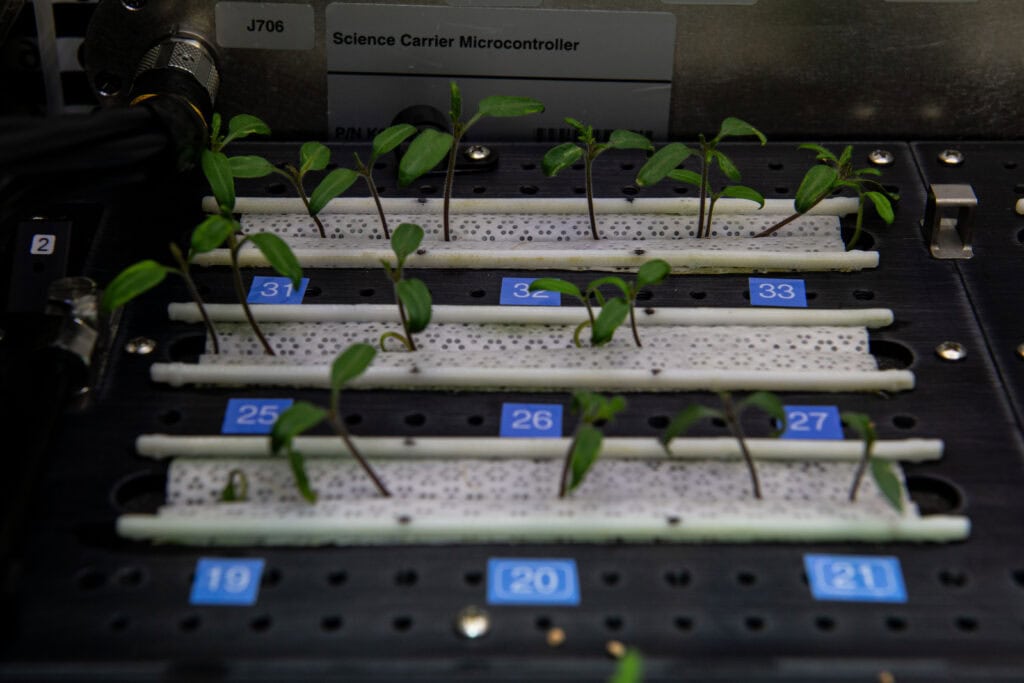
Protecting tomato seedlings from late frost after transplanting is something every gardener needs to know, especially if you’re eager to get your plants in the ground early. I’ve learned this lesson the hard way after losing entire crops to unexpected cold snaps that seemed to come out of nowhere. Those tender little seedlings that looked so promising can turn into black, wilted disappointments overnight if you’re not prepared. Protecting Tomato Seedlings From Late Frost After Transplanting is a popular choice for gardeners.
The good news is that with a few simple techniques and some planning, you can keep your tomato babies safe even when Mother Nature throws you a curveball. I’ve been growing tomatoes in Florida for over a decade, and while we don’t get the harsh freezes that northern gardeners face, we definitely get those surprise cold fronts that can damage or kill newly transplanted seedlings.
Understanding When Tomato Seedlings Are Most Vulnerable to Frost Damage
Tomato seedlings are incredibly sensitive to cold temperatures, especially right after transplanting when they’re already stressed from the move. The first two weeks after transplanting are when your plants are most at risk because their root systems haven’t fully established yet. I always tell new gardeners that a tomato plant that’s been in the ground for just a few days is like a person recovering from surgery – they need extra care and protection.
The magic number to remember is 32°F (0°C), which is when frost actually forms. But here’s what many gardeners don’t realize: tomato plants can suffer damage at temperatures as high as 35-40°F, especially if they’re young and recently transplanted. I’ve seen perfectly healthy seedlings get stunted or damaged when temperatures dipped into the high 30s, even without visible frost on the ground.
In Florida, our “frost season” typically runs from late December through February, but we can get surprise cold fronts as late as March or even early April. The University of Florida Extension recommends waiting until all danger of frost has passed before transplanting, but sometimes we gardeners get impatient or the weather forecast changes unexpectedly.
Wind makes everything worse when it comes to cold damage. Even if the air temperature is just above freezing, a strong wind can create wind chill that damages tender plants. I learned this during my second year of gardening when a cold, windy night damaged seedlings that should have been fine based on the temperature alone.
Best Methods for Protecting Tomato Seedlings From Late Frost
You might also enjoy: How to Grow Basil Indoors
The most effective way I’ve found to protect newly transplanted tomato seedlings is using row covers or frost blankets. These lightweight fabrics trap warm air around your plants while still allowing light and water to pass through. I keep several different weights on hand – the lighter ones for mild protection and heavier ones for more serious cold snaps.
Water-filled plant protectors, like Wall O’ Water or similar products, are absolutely fantastic for individual plants. These clear plastic cylinders filled with water create a greenhouse effect around each seedling. The water absorbs heat during the day and releases it slowly at night, keeping the temperature around your plant several degrees warmer than the surrounding air.
For a budget-friendly option, I use milk jugs with the bottoms cut out as mini greenhouses. Just place them over your seedlings and push them slightly into the soil to anchor them. Remove the caps during warm days to prevent overheating, and replace them at night when temperatures drop. This method has saved countless plants in my garden over the years.
Mulching around your transplants helps insulate the soil and roots from temperature swings. I use a thick layer of straw or shredded leaves around each plant, being careful not to pile it against the stem. The mulch acts like a blanket for the root zone, which is just as important as protecting the above-ground parts of the plant.
Creating Microclimates to Shield Transplanted Tomato Seedlings
Location is everything when you’re trying to protect tomato seedlings from late frost. I always plant my early tomatoes on the south side of my house or near other structures that can provide some wind protection and radiate heat. Even a fence or large shrub can create a microclimate that’s several degrees warmer than the open garden.
Raised beds and containers offer natural protection because they drain better and warm up faster than ground-level soil. The soil in my raised beds is typically 5-10 degrees warmer than the surrounding ground, which can make the difference between life and death for a tender seedling. If you’re using containers, you can even move them to protected areas when cold weather threatens.
Heat-absorbing materials like stones, bricks, or water barrels placed near your plants will collect heat during the day and release it at night. I have a few large rocks strategically placed around my tomato area that help moderate temperature swings. It’s like having natural space heaters in your garden.
Creating windbreaks is another game-changer for protecting transplanted seedlings. Even a temporary barrier made from burlap or cardboard can significantly reduce wind damage and help maintain warmer temperatures around your plants. I’ve used everything from old bedsheets stretched between stakes to portable garden screens to create these protective barriers.
Emergency Frost Protection When Weather Forecasts Change Suddenly
Sometimes the weather forecast changes at the last minute, and you need to act fast to protect your tomato seedlings. I always keep emergency supplies ready during the risky months – old bedsheets, blankets, plastic sheeting, and even newspaper can provide temporary protection when used correctly.
The key to emergency protection is getting air trapped around your plants. Simply laying a sheet directly on top of seedlings won’t do much good and might even cause damage. Instead, use stakes, tomato cages, or even upturned buckets to create a tent-like structure that traps warm air. The USDA recommends securing the edges of your covering to prevent cold air from getting underneath.
Watering your plants before a predicted frost can actually help protect them. Wet soil holds more heat than dry soil, and as water freezes, it releases a small amount of heat that can protect plant tissues. I water my transplants thoroughly in the afternoon before an expected cold night, making sure the soil around the roots is moist but not waterlogged.
Christmas lights (the old incandescent kind, not LEDs) can provide just enough heat to keep plants above freezing. String them around your plants and cover everything with a blanket or tarp. The small amount of heat they generate, combined with the trapped air, can raise the temperature by several degrees. Just make sure you’re using outdoor-rated lights and keep them away from water.
If you’re really caught off guard and don’t have any proper covers, even newspaper can help for light frost protection. I’ve used layers of newspaper weighted down with rocks to protect individual plants during unexpected cold snaps. It’s not perfect, but it’s better than nothing when you’re desperate.
Protecting tomato seedlings from late frost after transplanting doesn’t have to be complicated or expensive. With a little planning and the right techniques, you can keep your plants safe even when the weather doesn’t cooperate. I’ve saved countless tomato crops over the years using these methods, and you can too.
Remember that a little extra effort in protecting your transplants now will pay off with healthy, productive plants later in the season. Don’t let an unexpected cold snap ruin all your hard work – your future tomato harvest is worth the trouble of protecting those precious seedlings!
