

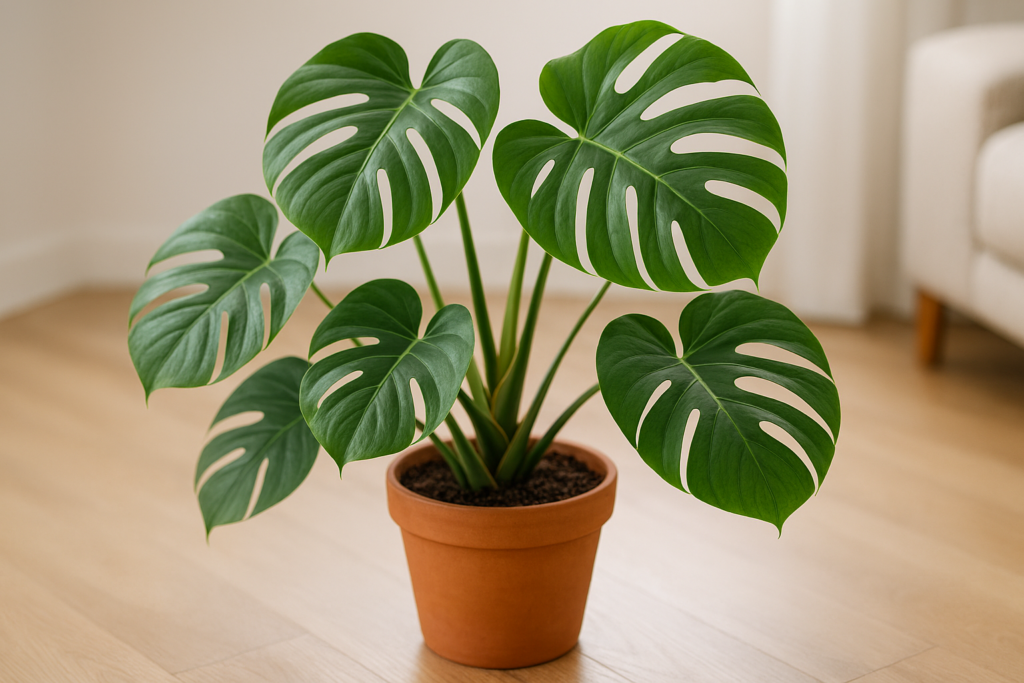
If you’re looking for a houseplant that makes a statement, Monstera Deliciosa care is definitely worth learning! These gorgeous plants with their iconic split leaves have taken over Instagram feeds and living rooms everywhere. I’ve been growing monsteras for years here in Florida, and they never fail to impress visitors with their dramatic foliage.
The best part about monsteras is that they’re actually pretty forgiving once you understand their basic needs. They’re native to Central America, so they love warmth and humidity, which makes them perfect for our Florida climate. Whether you’re keeping yours indoors or letting it climb up a tree outside, you’ll be amazed at how quickly these beauties grow.
Getting Your Monstera Deliciosa Care Basics Right
The key to successful Monstera Deliciosa care starts with understanding what these plants want most: bright, indirect light. I learned this the hard way when I first got mine and stuck it right in a sunny window. The leaves got scorched and turned yellow within days!
Now I keep mine about 6 feet from my south-facing window, where it gets plenty of light but no direct sun. If you notice the leaves staying small and not developing those famous splits, it probably needs more light. The fenestrations (those cool holes and splits) only develop when the plant is mature and getting enough bright light.
Here in Florida, I can actually grow mine outside in a shaded spot under my oak tree. The filtered sunlight is perfect, and the humidity from our frequent afternoon showers keeps it happy. If you’re growing indoors, a humidifier nearby or a pebble tray with water can help boost the moisture in the air.
One thing I always tell new monstera parents is to be patient with the splits. Young plants won’t have them at all, and it can take a couple of years before you see those Instagram-worthy leaves. But trust me, it’s worth the wait!
Watering and Soil Needs for Monstera Deliciosa Care
For more gardening tips, check out: How to Grow Allium Insubricum
Watering is probably where most people mess up their Monstera Deliciosa care routine. These plants like to dry out a bit between waterings, but they don’t want to be bone dry. I use the finger test – stick your finger about 2 inches into the soil, and if it feels dry, it’s time to water.
During our hot Florida summers, I’m watering mine about once a week. In winter, when growth slows down, it might be every 10-14 days. The key is to water thoroughly until water runs out the drainage holes, then let it drain completely. Standing water will kill these plants faster than anything else.
For soil, I mix my own blend using regular potting soil, perlite, and a bit of orchid bark. The goal is something that drains well but still holds some moisture. You can also buy a good aroid mix from most garden centers now, which works perfectly for monsteras.
I’ve found that monsteras are pretty forgiving if you occasionally forget to water them. They’ll droop a little to let you know they’re thirsty, but they bounce back quickly. Overwatering is much worse than underwatering with these plants, so when in doubt, wait another day or two.
Supporting Your Monstera’s Growth and Development
One of the most exciting parts of Monstera Deliciosa care is watching these plants climb and grow. In nature, they’re epiphytes that climb up trees, so giving yours something to climb will make it much happier. I use moss poles for my indoor plants, and they absolutely love them!
You can buy moss poles at garden centers, or make your own with a wooden stake wrapped in sphagnum moss. As the plant grows, gently tie the stems to the pole with soft plant ties. The aerial roots will eventually grab onto the moss and help support the plant naturally.
If you don’t want to deal with a moss pole, that’s fine too. Your monstera will grow as a trailing plant, though the leaves might stay smaller. I have one that cascades from a high shelf, and it looks gorgeous even without the massive split leaves.
University extension services recommend fertilizing monsteras monthly during the growing season with a balanced liquid fertilizer. I use a diluted fish emulsion fertilizer every few weeks in spring and summer, then stop feeding in fall and winter when growth slows down.
Common Problems and How to Fix Them
Even with good Monstera Deliciosa care, you might run into a few issues. Yellow leaves are usually the first sign that something’s wrong, and most of the time it’s a watering issue. If the leaves are yellowing from the bottom up, you’re probably overwatering. If they’re yellowing and crispy, you need more water or humidity.
Brown, crispy leaf tips usually mean the air is too dry. This is especially common in winter when we’re running the heat more. A humidifier really helps, or you can group your plants together to create a more humid microclimate.
Pests can be an issue, especially spider mites and scale insects. I check my plants regularly and wipe down the leaves with a damp cloth, which helps prevent most pest problems. If you do spot pests, neem oil or insecticidal soap usually takes care of them quickly.
One thing that surprised me when I first started growing monsteras was how much they love being root-bound. Don’t rush to repot yours – they actually prefer being a little snug in their pots. I only repot mine every 2-3 years, or when roots are seriously coming out the drainage holes.
Growing monsteras has been one of my most rewarding plant adventures. They’re forgiving enough for beginners but interesting enough to keep experienced plant parents engaged. With proper Monstera Deliciosa care, you’ll have a stunning plant that gets more beautiful with age.
Don’t get discouraged if your first attempt doesn’t go perfectly – mine didn’t either! These plants are pretty resilient, and they’ll usually bounce back from most mistakes. Before you know it, you’ll have a gorgeous split-leaf beauty that’s the envy of all your plant-loving friends.
