

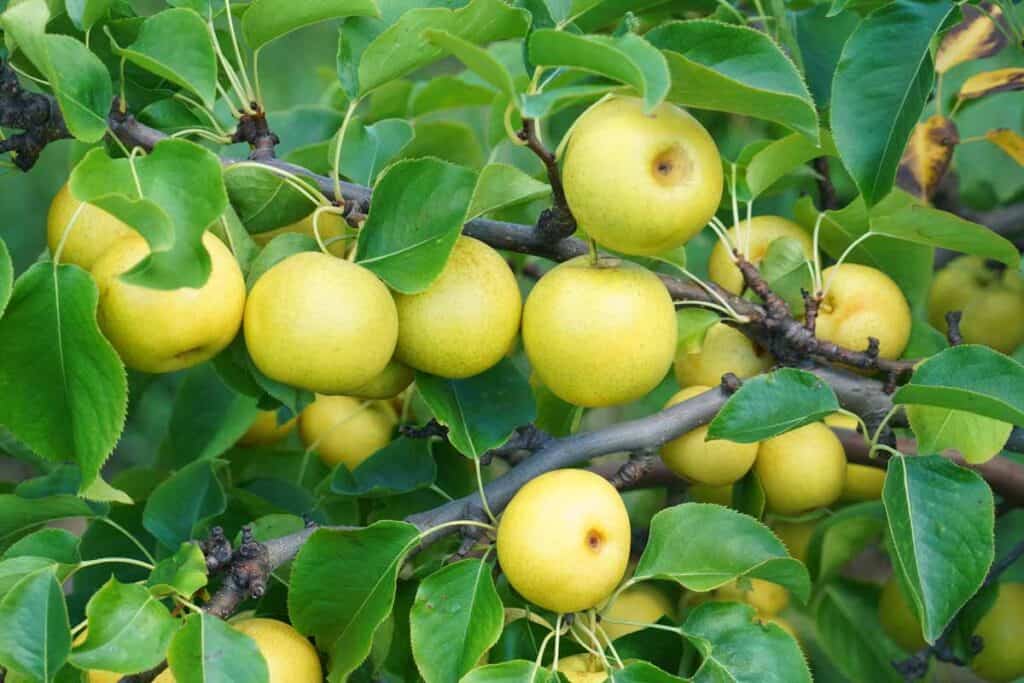
I absolutely love Asian pears, and learning how to successfully grow Asian pear trees has been one of my most rewarding gardening adventures! These amazing fruit trees produce crisp, juicy pears that taste like a cross between an apple and a traditional pear. They’re also called Nashi pears or apple pears, and once you bite into a fresh one from your own tree, you’ll understand why they’re so popular. How to Successfully Grow Asian Pear Trees: Complete Guide to Planting, Pollination, and Fruit Thinning is a popular choice for gardeners.
The best part about growing Asian pears is that they’re actually pretty forgiving once you understand their basic needs. I’ve been growing them in my Florida garden for several years now, and they’ve become one of my favorite fruit trees to recommend to fellow gardeners.
Getting Started: Planting Your Asian Pear Trees for Success
When I first started growing Asian pear trees, I made the mistake of not researching the right varieties for my climate. Asian pears need a certain amount of chill hours (temperatures between 32-45°F) to fruit properly, which can be tricky in warmer zones like here in Florida. I learned to look for low-chill varieties like ‘Shinseiki’ or ‘Twentieth Century’ that need only 300-400 chill hours instead of 800-1000.
Plant your trees in late winter or early spring when they’re dormant. I always choose a sunny spot with well-draining soil because these trees hate wet feet. The soil should be slightly acidic to neutral (pH 6.0-7.0), and I like to dig a hole twice as wide as the root ball but only as deep. This gives the roots room to spread out horizontally.
Space your trees about 15-20 feet apart if you’re planting multiple trees. Trust me on this one – I planted my first two trees too close together, and they ended up competing for nutrients and sunlight. Asian pears can get quite large, reaching 15-25 feet tall and wide at maturity, so give them room to grow.
Water deeply but infrequently once established. I water mine about once a week during dry spells, making sure the water penetrates deep into the soil rather than just wetting the surface. A 2-3 inch layer of mulch around the base helps retain moisture and keeps weeds away.
Understanding Pollination: The Key to Growing Asian Pear Trees Successfully
Related article: How to Get Rid of Aphids on Tomato Plants Naturally
Here’s something I wish I’d known earlier – most Asian pear varieties need cross-pollination to produce fruit! This means you typically need at least two different varieties that bloom at the same time. I learned this the hard way when my single tree bloomed beautifully but produced almost no fruit the first year.
Some varieties like ‘Shinseiki’ are partially self-fertile, but they still produce much better with a pollination partner. I planted a ‘Chojuro’ near my ‘Shinseiki’, and wow, what a difference! Both trees started producing loads of fruit once they had each other for cross-pollination.
The timing of bloom is super important too. Both varieties need to flower at roughly the same time for pollination to work. Early-blooming varieties like ‘Shinseiki’ and ‘Twentieth Century’ work well together, while later varieties like ‘Hosui’ and ‘Chojuro’ are good partners for each other.
Bees and other pollinators do most of the work, but you can hand-pollinate if needed. I sometimes do this with a small paintbrush, transferring pollen from one variety’s flowers to another’s. It’s actually kind of relaxing, and it ensures good fruit set even if bee activity is low.
Fruit Thinning: Essential Care for Healthy Asian Pear Trees
Fruit thinning is absolutely critical when growing Asian pear trees, and it’s something many new growers skip. Asian pears naturally set way more fruit than the tree can properly support, so you need to thin them out for the best results. I thin my trees in late spring, about 6-8 weeks after bloom when the fruits are marble-sized.
I remove about 80% of the small fruits, leaving only the largest, healthiest-looking ones. This might seem harsh, but trust me – the remaining pears will be much larger, sweeter, and better quality. I space the remaining fruits about 6-8 inches apart along each branch.
Look for damaged, diseased, or oddly-shaped fruits first – those get removed immediately. Then I keep only one fruit per cluster, choosing the biggest and best-positioned one. Sometimes I’ll keep two if they’re on opposite sides of a strong branch, but never more than that.
The thinning process also helps prevent branch breakage. Asian pears can get quite heavy, and I’ve seen branches snap under the weight of too much fruit. After thinning, I sometimes still need to prop up heavily loaded branches with supports, especially on younger trees.
Seasonal Care and Maintenance Tips
Asian pears are relatively low-maintenance once established, but they do need some regular care throughout the growing season. I prune mine in late winter while they’re dormant, focusing on removing dead, diseased, or crossing branches. The goal is to maintain an open center that allows good air circulation and sunlight penetration.
Fertilizing is pretty straightforward – I give my trees a balanced fertilizer in early spring and again in mid-summer. Here in Florida’s sandy soil, I also add compost around the base each spring to improve soil structure and provide slow-release nutrients. The University of Florida Extension has great resources for fruit tree care in warm climates.
Watch out for common pests like aphids, scale insects, and fruit flies. I use horticultural oil sprays during the dormant season and beneficial insects during the growing season to keep pest populations under control. Fire blight can be an issue in humid climates, so I make sure to prune with clean tools and avoid overhead watering.
Harvest time varies by variety, but most Asian pears ripen in late summer to early fall. Unlike European pears, Asian pears should be left on the tree until fully ripe – they don’t continue ripening after picking. The fruits should give slightly to pressure and have developed their full color and sweetness.
Learning how to successfully grow Asian pear trees takes a bit of patience, but the reward of crisp, juicy homegrown fruit is absolutely worth it. The trees are beautiful in bloom and provide lovely fall color too, making them both productive and ornamental additions to your landscape.
Don’t get discouraged if your first few years don’t produce bumper crops – fruit trees take time to establish and hit their stride. With proper planting, pollination partners, and regular fruit thinning, you’ll be enjoying delicious Asian pears for many years to come!
