

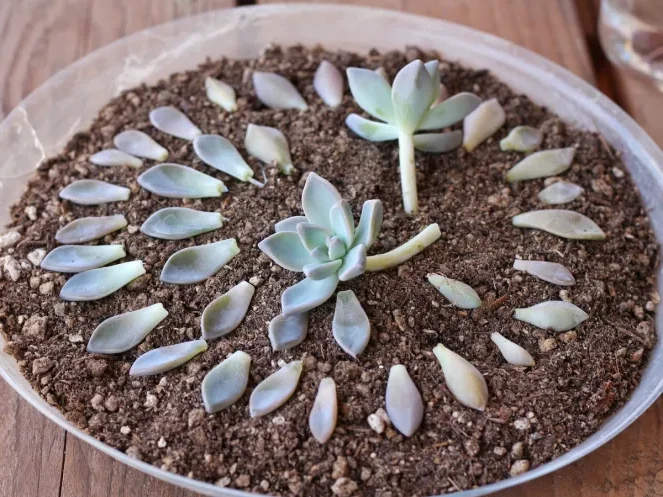
Learning how to propagate succulents is one of the most rewarding skills any gardener can master. I’ve been multiplying my succulent collection for years, and it never gets old watching tiny new plants grow from a single leaf or cutting. The best part is that most succulents practically want to reproduce themselves! How to Propagate Succulents is a popular choice for gardeners.
Propagating your own succulents saves money and gives you endless plants to share with friends. Plus, it’s incredibly satisfying to watch something you started from scratch flourish into a full-grown plant.
Best Methods for How to Propagate Succulents
There are several ways to propagate succulents, but I’ve found three methods work best for beginners. Leaf propagation is my absolute favorite because it feels like magic every single time. You literally just pluck a healthy leaf from the mother plant, let it sit for a few days, and tiny roots start appearing!
Stem cuttings work great for succulents that have gotten leggy or stretched out. I use this method all the time with my jade plants and sedums. Just cut a piece about 3-4 inches long, let it dry for a day or two, then stick it in soil.
Division is perfect for succulents that produce offsets or “babies” around the base. Aloe, hens and chicks, and many cacti do this naturally. You just separate the babies from mama and plant them separately.
The timing matters here in Florida since our intense summer heat can stress newly propagated plants. I prefer doing most of my succulent propagation in fall or early spring when temperatures are more moderate.
Step-by-Step Succulent Propagation From Leaf Cuttings
You might also enjoy: Starting Cool-season Seeds Indoors in January for Spring Garden Success
When I teach people how to propagate succulents from leaves, I always start with this method because it has the highest success rate. First, choose a healthy, plump leaf from your parent plant. Gently twist it off, making sure you get the entire leaf including the base where it attaches to the stem.
Let the leaf sit on a paper towel or plate for 2-3 days until the cut end forms a callus. This prevents rot when you plant it. I learned this the hard way after losing several attempts to mushy, rotted leaves!
Once callused, place the leaves on top of well-draining succulent soil. Don’t bury them, just lay them on the surface. Mist lightly every few days, but don’t soak the soil.
In Florida’s humidity, I’ve noticed roots appear faster than in drier climates, usually within a week or two. The mother leaf will start looking wrinkled as it feeds the new baby plant. Once the new plant has several sets of leaves and good roots, you can transplant it to its own pot.
Caring for Your Newly Propagated Succulents
Baby succulents need different care than mature plants, and this is where many people mess up their propagation efforts. Keep them in bright, indirect light for the first few weeks. Direct Florida sun will fry these little guys before they get established.
Water very lightly and only when the soil feels completely dry. I use a spray bottle for the first month or two because it’s easier to control the amount of moisture. Too much water is the number one killer of succulent babies.
University extension research shows that newly propagated succulents do best with consistent temperatures between 65-75°F. Here in Florida, that means keeping them indoors during our hottest months.
Watch for signs of stress like yellowing, stretching, or soft spots. These usually indicate too much water, not enough light, or temperatures that are too extreme. Adjust conditions gradually rather than making dramatic changes.
Common Mistakes and Troubleshooting Tips
I’ve made every succulent propagation mistake in the book, so let me save you some heartache! The biggest error I see beginners make is being too impatient with watering. Those cute little propagation setups you see on social media often show leaves sitting in water, but that’s just for photos.
Another common mistake is trying to propagate damaged or unhealthy leaves. I always choose the fattest, most perfect leaves I can find. Thin or damaged leaves rarely produce viable plants and often just rot.
Don’t give up if your first attempts don’t work perfectly. My success rate was probably 30% when I started, but now I easily get 80% or better. Experienced gardeners report similar learning curves.
Temperature swings can also kill propagation attempts. Here in Florida, I keep my propagation trays away from air conditioning vents and heating sources. Consistent conditions lead to much better results than constant temperature changes.
Learning how to propagate succulents successfully takes practice, but it’s so worth the effort once you get the hang of it. Start with easy varieties like jade plants, echeveria, or sedum to build your confidence. Before you know it, you’ll have more baby succulents than you know what to do with!
Remember, every expert was once a beginner who kept trying. Your succulent propagation skills will improve with each attempt, and soon you’ll be the one sharing plants with all your gardening friends.
