

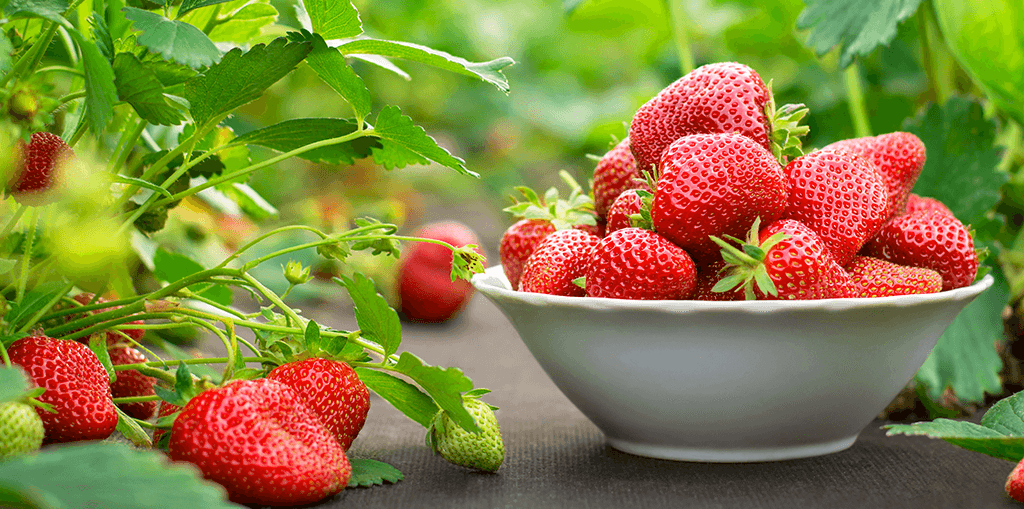
If you want to learn how to grow strawberries in Florida, you’re in for a treat! I’ve been growing these sweet little gems in my Florida garden for years, and let me tell you, there’s nothing quite like picking sun-warmed strawberries right from your own plants. Florida’s warm climate gives us some unique advantages and challenges when it comes to strawberry growing, but once you know the tricks, you’ll be enjoying homegrown berries for months. How to Grow Strawberries in Florida is a popular choice for gardeners.
The key to success with Florida strawberries is understanding that we grow them differently than gardeners up north. While northern gardeners treat strawberries as perennials, here in Florida we grow them as annuals because our hot, humid summers are just too much for most strawberry plants to handle. But don’t worry, this actually works in our favor because we get to enjoy fresh strawberries during our beautiful winter months when everyone else is dealing with snow!
Best Strawberry Varieties for Growing in Florida
When it comes to how to grow strawberries in Florida successfully, variety selection is everything. I learned this the hard way when I first started gardening here and tried to grow the same varieties my mom grew up north. Total disaster! Florida strawberries need to be heat-tolerant and disease-resistant to thrive in our climate.
The absolute best varieties for Florida gardens are ‘Florida Radiance’ and ‘Florida Beauty.’ These were specifically developed by the University of Florida for our growing conditions, and boy, do they deliver! ‘Florida Radiance’ produces large, sweet berries with excellent flavor, while ‘Florida Beauty’ gives you beautiful, firm berries that are perfect for eating fresh or making jam. I’ve grown both in my garden, and they consistently outperform any other varieties I’ve tried.
Another great option is ‘Sweet Sensation,’ which produces smaller but incredibly flavorful berries. If you’re in North Florida, you might also have success with ‘Chandler’ or ‘Camarosa,’ but these varieties really struggle once you get into Central and South Florida where the heat and humidity are more intense.
Here’s something I wish someone had told me when I started: avoid June-bearing varieties completely in Florida. They’re bred for cooler climates and just won’t produce well here. Stick with day-neutral or everbearing varieties that can handle our unique growing season.
When and How to Plant Strawberries in Florida Gardens
Also read: Starting Cool-season Vegetables Indoors in January for Early Spring Harvests
The timing for planting strawberries in Florida is completely opposite from what you might expect if you’re new to gardening in the South. We plant in fall and harvest through winter and spring, which feels backwards but works perfectly with our climate.
I always plant my strawberries between October and November. This gives the plants time to establish strong root systems during our mild fall weather before they start producing berries in winter. If you wait too late into December, the plants won’t have enough time to get established before fruiting season begins.
For planting, I prefer raised beds or containers because they provide better drainage, which is critical in Florida’s rainy climate. Strawberries absolutely hate wet feet, and our afternoon thunderstorms can create soggy conditions that lead to root rot. I build my raised beds about 8 inches high and fill them with a mix of quality potting soil and compost.
Space your plants about 12 to 15 inches apart in rows that are 2 feet apart. This might seem like a lot of space, but trust me, good air circulation is essential for preventing the fungal diseases that love our humid weather. I plant mine in a staggered pattern rather than straight rows, which maximizes space while still providing good airflow.
One tip I’ve learned over the years: plant on a cloudy day or in the evening. Our Florida sun can be intense even in fall, and newly transplanted strawberries need a gentle start. Water them in well after planting, but don’t overdo it.
Essential Care Tips for Florida Strawberry Plants
Caring for strawberries in Florida requires a different approach than in cooler climates, and I’ve learned some important lessons through trial and error. The biggest challenge we face is managing moisture levels. Our plants need consistent water, but they also need protection from our heavy rains and high humidity.
I water my strawberry plants deeply but infrequently, usually every 2-3 days depending on rainfall. The key is to water at soil level rather than overhead watering, which can promote fungal diseases. I use soaker hoses or drip irrigation when possible, and if I have to use a regular hose, I water early in the morning so the leaves have time to dry before evening.
Mulching is absolutely essential in Florida. I use clean straw or shredded leaves around my plants to keep the soil moist, suppress weeds, and keep the berries clean. The mulch also helps moderate soil temperature during our occasional cold snaps. Apply about 2-3 inches of mulch, but keep it pulled back from the crown of the plant to prevent rot.
Fertilizing strawberries in Florida needs to be gentle and consistent. I use a balanced, slow-release fertilizer at planting time, then supplement with liquid fertilizer every 2-3 weeks during the growing season. The University of Florida Extension recommends avoiding high-nitrogen fertilizers, which can promote excessive leaf growth at the expense of fruit production.
Watch out for common Florida pests like aphids, spider mites, and thrips. I inspect my plants weekly and use insecticidal soap or neem oil for minor infestations. The good news is that growing strawberries during our cooler months means fewer pest problems than you’d have with summer crops.
Harvesting and Enjoying Your Homegrown Florida Berries
The best part about growing strawberries is harvest time! In Florida, you’ll typically start seeing flowers about 6-8 weeks after planting, with the first ripe berries ready about 4-5 weeks after that. This means if you plant in October, you could be eating homegrown strawberries by Christmas, which is pretty amazing.
I harvest my berries every other day once they start ripening. Pick them when they’re fully red but still firm, including the green cap and a bit of stem. This helps them last longer and prevents the plant from getting damaged. Early morning is the best time to harvest because the berries are cool and firm from the night air.
One thing I love about Florida strawberry growing is the extended harvest season. While northern gardeners might get 2-3 weeks of berries, we can harvest for 3-4 months if we take good care of our plants. I usually get berries from December through April, with peak production in February and March.
Don’t expect huge berries like you see in the grocery store. Homegrown strawberries are usually smaller but packed with incredible flavor that puts store-bought berries to shame. I use mine fresh in smoothies, on cereal, and for snacking. They also freeze beautifully for summer treats.
As the weather starts warming up in late April or May, your plants will begin to decline. This is normal! Remember, we’re treating these as annuals in Florida. I compost my old plants and start planning for next year’s strawberry patch.
Growing strawberries in Florida might seem tricky at first, but once you understand our unique growing season and choose the right varieties, it’s actually quite rewarding. There’s something magical about stepping into your garden on a cool February morning and picking sweet, juicy strawberries while the rest of the country is buried in snow. Start planning your strawberry patch this fall, and you’ll be amazed at how satisfying it is to grow your own berries right here in the Sunshine State!
