

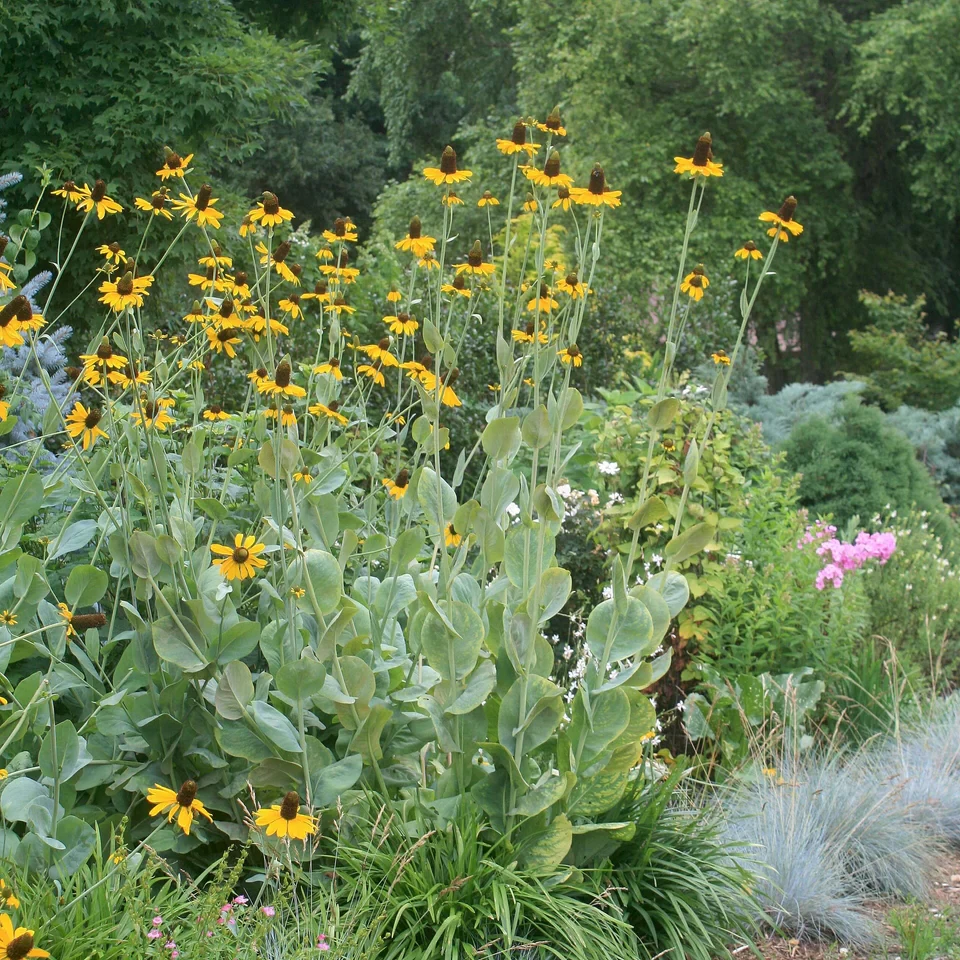
If you want to know how to grow Rudbeckia Maxima (giant Coneflower), you’re in for a real treat! These gorgeous native wildflowers are absolute showstoppers in any garden. I fell in love with them the first time I saw their massive yellow blooms towering over everything else in my neighbor’s yard. How to Grow Rudbeckia Maxima (Giant Coneflower) is a popular choice for gardeners.
Giant coneflowers are perfect for us here in Florida because they actually love our heat and humidity. They’re drought-tolerant once established, attract tons of butterflies and birds, and those seed heads look amazing in fall arrangements. Plus, they’re native to the southeastern United States, so they’re naturally suited to our climate.
Getting Started with Rudbeckia Maxima Giant Coneflower Growing
The best time to plant giant coneflowers in Florida is during our cooler months, from October through March. I always tell people to avoid planting during our brutal summer heat because even these tough natives need time to get their roots established. You can start from seeds or buy plants from a nursery, but I’ve had better luck with transplants.
When choosing a spot for your giant coneflowers, pick somewhere that gets full sun to partial shade. They’ll tolerate some shade, but you’ll get the most blooms in full sun. I learned this the hard way when I first planted mine under a tree and barely got any flowers the first year.
The soil doesn’t need to be perfect, which is great news for those of us dealing with Florida’s sandy soil. These plants actually prefer well-draining soil and can handle poor conditions once they’re established. If you have heavy clay or constantly wet areas, you might want to create a raised bed or add some compost to improve drainage.
Space your plants about 3 to 4 feet apart because they get huge! Mine are now over 6 feet tall and about 3 feet wide. I made the mistake of planting them too close together my first year, and they looked crowded and didn’t bloom as well.
How to Care for Your Rudbeckia Maxima Plants
Also read: How to Propagate Snake Plants From Leaf Cuttings
Watering is pretty straightforward when you’re learning how to grow Rudbeckia Maxima successfully. During the first growing season, I water mine about once a week if we haven’t had rain. The key is deep, infrequent watering rather than daily sprinkles. Once they’re established after the first year, they’re incredibly drought-tolerant and rarely need supplemental water.
I don’t fertilize my giant coneflowers much because they prefer lean soil. Too much fertilizer actually makes them produce more leaves and fewer flowers. If your soil is really poor, you can add a little compost in spring, but that’s usually all they need.
One thing I love about these plants is how low-maintenance they are. I don’t deadhead the flowers because the seed heads are beautiful and the birds love them. The goldfinches go crazy for the seeds in late summer and fall.
The plants die back to the ground in winter, which is totally normal. I cut mine back to about 6 inches in late winter, right before new growth starts appearing. Some people leave them standing for winter interest, but I prefer the cleaner look.
Common Challenges When Growing Giant Coneflower
The biggest mistake I see people make is overwatering. These plants hate wet feet, especially during our rainy summers. If you notice yellowing leaves or the plant looking droopy despite moist soil, you’re probably watering too much. I’ve learned to let the soil dry out between waterings.
Another challenge here in Florida is our intense afternoon sun combined with high humidity. While giant coneflowers love sun, they appreciate some afternoon shade during our hottest months. I’ve noticed my plants in spots that get morning sun and afternoon shade actually look better during July and August.
Pests aren’t usually a big problem, but I occasionally see aphids on new growth. A strong spray with the hose usually takes care of them. I avoid using pesticides because these plants are so valuable for pollinators and beneficial insects.
If your plants seem to be spreading too much, don’t panic! Giant coneflowers do spread by underground rhizomes, but they’re not aggressive like some plants. You can easily dig up and divide clumps every few years if they get too big for their space.
Enjoying Your Giant Coneflowers Year-Round
The blooming period for giant coneflowers usually starts in late spring and continues through early fall here in Florida. The flowers are absolutely stunning – bright yellow petals surrounding a dark brown center that looks almost black. Each bloom can be 3 to 4 inches across, and they sit on top of those impressive tall stems.
I love using the cut flowers in arrangements, though they don’t last as long as some other flowers. The real show happens when you leave them on the plant and watch all the wildlife they attract. Butterflies, bees, and birds are constantly visiting my giant coneflowers.
The seed heads that develop after flowering are just as beautiful as the blooms themselves. They turn a lovely brown color and have an interesting cone shape that adds texture to the winter garden. I collect some seeds to share with friends, but I leave most for the birds.
These plants also make excellent companions for other native Florida wildflowers. I grow mine alongside purple coneflowers, black-eyed Susans, and native grasses. The University of Florida recommends using native plants like these to create sustainable, low-maintenance landscapes.
Learning how to grow Rudbeckia Maxima has been one of my most rewarding gardening experiences. These plants give so much back with minimal effort from you. They’re perfect for new gardeners who want something impressive but don’t want high-maintenance plants.
Don’t be intimidated if you’re just starting out with native plants. Giant coneflowers are incredibly forgiving and will reward you with years of beautiful blooms and wildlife activity. Trust me, once you see those towering yellow flowers swaying in your garden, you’ll be hooked just like I was!
