

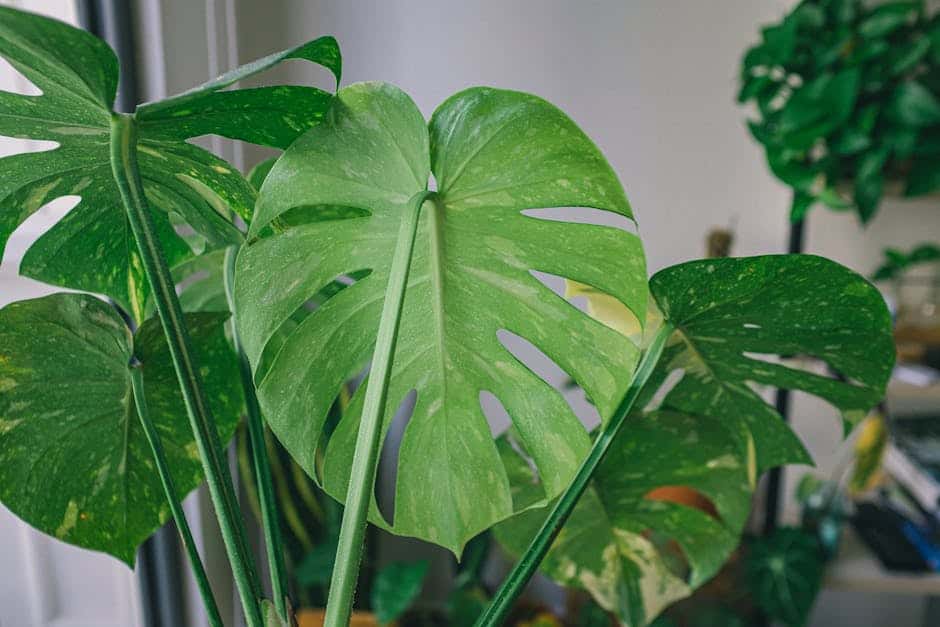
If you want to know how to grow Monstera Thai Constellation, you’re in for a treat with one of the most stunning houseplants I’ve ever grown! These gorgeous climbing plants have those iconic split leaves with creamy white and green variegation that looks like someone splattered paint across them. I’ve been growing these beauties in my Florida home for a few years now, and they never fail to make visitors stop and stare. How to Grow Monstera Thai Constellation is a popular choice for gardeners.
The Thai Constellation is actually a tissue culture variety of Monstera deliciosa, which means every plant has consistent variegation patterns. Unlike some other variegated monsteras that can be unpredictable, this one gives you that gorgeous speckled look every single time. Plus, they’re way more stable than other variegated varieties, so you don’t have to worry about losing that beautiful coloring.
Getting Started with Your Monstera Thai Constellation Care
When I first brought home my Thai Constellation, I’ll admit I was a little nervous about how to grow Monstera Thai Constellation properly since they have a reputation for being picky. But honestly, once you understand what they need, they’re pretty forgiving plants. The key is remembering that the white parts of the leaves can’t photosynthesize, so these plants need a bit more light than regular green monsteras.
I keep mine about 6 feet from a big east-facing window in my living room. They love bright, indirect light, but here in Florida, I have to be careful about direct afternoon sun since it can scorch those beautiful white patches. If you notice the white areas turning brown or crispy, that’s usually a sign of too much direct light.
The soil situation is pretty straightforward, but it’s super important to get it right. I use a chunky, well-draining potting mix that I make myself with regular potting soil, perlite, and some orchid bark. The roots need to breathe, and soggy soil is the fastest way to kill these plants. I learned that lesson the hard way with my first one!
Temperature-wise, they’re pretty happy in normal house temperatures between 65-80°F. Here in Florida, that’s perfect for most of the year, though I do bring mine inside during our rare cold snaps. They don’t like temperatures below 60°F, so keep that in mind if you live somewhere with chilly winters.
Watering and Humidity for Monstera Thai Constellation Growth
You might also enjoy: How to Plant and Care for Peonies in Spring
Learning how to grow Monstera Thai Constellation successfully really comes down to mastering the watering schedule. I use the finger test every time – I stick my finger about 2 inches down into the soil, and if it feels dry, it’s time to water. During our hot Florida summers, that’s usually every 5-7 days, but in winter it might be every 10-14 days.
When I do water, I give it a thorough drink until water runs out the drainage holes. Then I empty the saucer after about 30 minutes so the roots aren’t sitting in standing water. These plants hate wet feet, and root rot is one of the biggest killers of Thai Constellations.
Humidity is where living in Florida really helps! These plants love humidity levels around 50-60%, and our natural humidity here is perfect for them. If you live somewhere drier, you might want to use a humidifier or place a pebble tray with water near your plant. I’ve noticed mine gets much happier leaf growth when the humidity stays consistent.
One thing I’ve learned is that the variegated leaves actually need more humidity than regular monstera leaves. The white parts are more delicate and can get crispy edges if the air is too dry. University extension guides often mention this sensitivity in variegated plants, and I’ve definitely seen it in my own growing experience.
Supporting Your Growing Monstera Thai Constellation
As your plant gets bigger, you’ll need to think about support since these are natural climbers. I use a moss pole for mine, and it’s made such a difference in how the leaves develop. The aerial roots actually grab onto the moss, and the leaves get bigger and more fenestrated (those cool splits and holes) when the plant can climb.
Setting up a moss pole is easier than it sounds. I just stick it right into the pot when I’m repotting and gently tie the main stem to it with soft plant ties. As new growth appears, I continue tying it up, and eventually the aerial roots take over and do the work themselves.
If you don’t want to deal with a moss pole, you can also use a wooden stake or even let it trail from a hanging basket. But honestly, the climbing method gives you the most dramatic leaf development. I’ve seen Thai Constellations with leaves over a foot wide when they’re allowed to climb properly!
Fertilizing is pretty simple – I use a balanced liquid fertilizer diluted to half strength about once a month during the growing season (spring through early fall). In winter, I back off to maybe every 6-8 weeks since the plant isn’t actively growing as much.
Common Problems and Solutions
Even though I love these plants, I’ve definitely run into some issues while figuring out how to grow Monstera Thai Constellation successfully. The most common problem I see is people overwatering, which leads to yellowing leaves and root rot. If you notice yellow leaves starting from the bottom of the plant, check your watering schedule and make sure your soil is draining well.
Brown spots on the white variegation usually mean too much direct sun. I had this happen when I first got mine and put it too close to a south-facing window. Moving it to a spot with bright but indirect light solved the problem completely.
Another issue I’ve dealt with is pests, especially spider mites. They seem to love the tender new growth on these plants. I check mine weekly and wipe the leaves down with a damp cloth regularly. If I do spot pests, a gentle insecticidal soap spray usually takes care of them quickly.
Sometimes people worry when their plant isn’t producing new variegated leaves, but this is usually just a matter of patience and proper care. Research from plant scientists shows that consistent light and nutrition are key for maintaining variegation in tissue culture plants like the Thai Constellation.
Growing a Monstera Thai Constellation has been one of my most rewarding houseplant experiences. Sure, they need a bit more attention than a regular pothos, but the stunning results are so worth it. Once you get the hang of their needs, you’ll find they’re actually pretty resilient plants.
Don’t be discouraged if it takes a few tries to get everything just right. I killed my first one with too much love (aka overwatering), but my second attempt has been thriving for over two years now. With the right light, proper watering, and a little patience, you’ll be amazed at how beautiful these plants can become in your home!
