

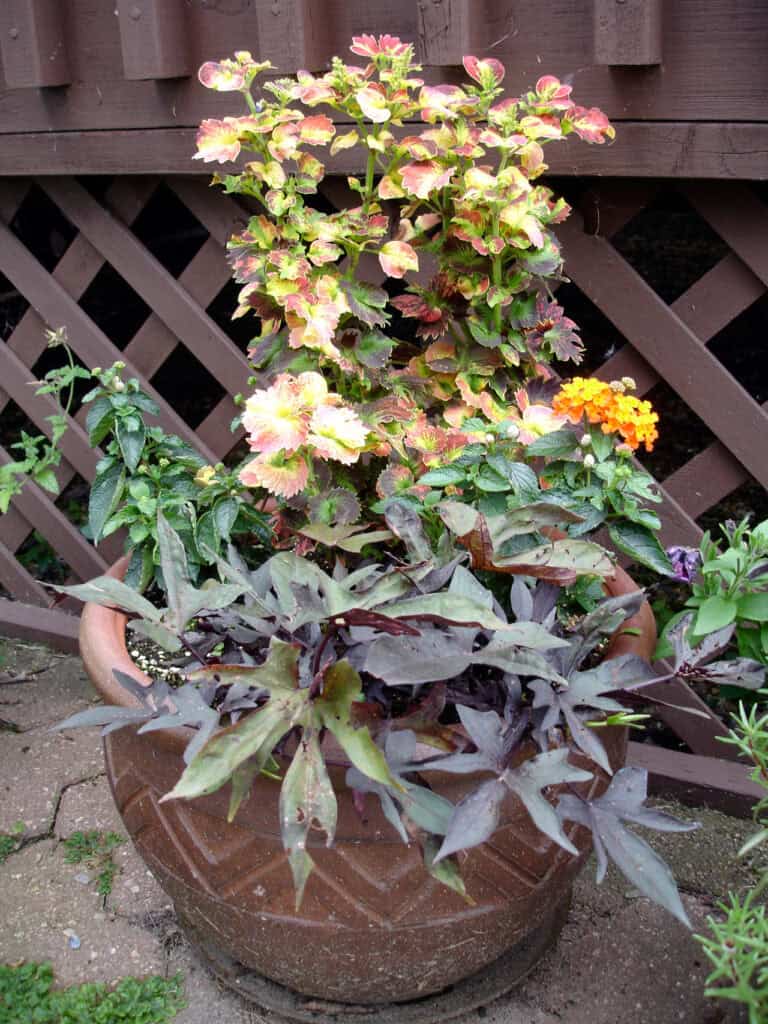
Learning how to grow lantana in containers for drought-tolerant color has been one of my best gardening discoveries here in Florida. These cheerful little workhorses bloom nonstop in the heat while barely asking for any water. I started container gardening with lantana about five years ago when I was tired of my flower beds looking crispy by July. How to Grow Lantana in Containers for Drought-tolerant Color is a popular choice for gardeners.
Lantana is honestly perfect for our hot, humid climate. The flowers come in amazing color combinations like yellow-orange, pink-purple, and pure white. Plus, butterflies absolutely love them, so you’ll get a constant parade of beautiful visitors to your porch or patio.
Choosing the Right Container for Growing Lantana
When I first tried growing lantana in containers, I made the mistake of using pots that were way too small. These plants can spread 2-3 feet wide, so you need at least an 18-inch diameter container for one plant. I learned this the hard way when my first lantana outgrew its tiny pot in about two months.
Drainage is absolutely critical for lantana success. I always choose containers with multiple drainage holes because soggy soil will kill these plants faster than anything. Terra cotta pots work great because they’re porous and help prevent overwatering. Plastic containers work too, just make sure they have plenty of holes in the bottom.
The depth matters just as much as the width. I use pots that are at least 12 inches deep because lantana develops a decent root system. Shallow containers will stunt the plant’s growth and make it more likely to tip over in our Florida afternoon thunderstorms.
For color combinations, I love planting different lantana varieties together in large containers. A big 24-inch pot can hold three different colored lantanas for an amazing display that lasts from spring until the first frost.
Perfect Soil Mix for Container Lantana Growing
Also read: How to Start a Vertical Garden Indoors
The soil mix can make or break your container lantana success. I use a combination of regular potting mix, coarse sand, and perlite to create excellent drainage. Lantana absolutely hates wet feet, so that extra drainage material is essential in our rainy Florida summers.
I mix about 60% quality potting soil, 25% coarse sand, and 15% perlite. This creates a light, well-draining mix that still holds enough moisture for the plants. Never use garden soil in containers because it gets too compacted and doesn’t drain properly.
Adding a slow-release fertilizer to the soil mix saves me time later. I mix in about a tablespoon of granulated fertilizer per gallon of soil mix when I’m planting. This feeds the lantana gradually over several months without me having to remember weekly feeding schedules.
The University of Florida extension recommends keeping the soil pH between 6.0 and 7.5 for best lantana growth. Most commercial potting mixes fall within this range, so you usually don’t need to worry about adjusting it.
Watering and Care Tips for Drought-tolerant Container Color
Here’s where lantana really shines as a low-maintenance container plant. Once established, these plants are incredibly drought tolerant and actually prefer to dry out between waterings. I water my container lantanas deeply about twice a week during our dry periods, but I always check the soil first.
The finger test works perfectly for lantana. I stick my finger about 2 inches into the soil, and if it feels dry, it’s time to water. During our rainy season, I might not water at all for weeks because the natural rainfall is plenty.
When I do water, I soak the containers thoroughly until water runs out the drainage holes. This encourages deep root growth and makes the plants more drought resistant. Light, frequent watering creates shallow roots that can’t handle dry spells.
Deadheading spent flowers keeps the plants blooming continuously. I pinch off the faded flower clusters every few days, which encourages new buds to form. It only takes a couple of minutes per plant, and the reward is months of continuous color.
Troubleshooting Common Container Problems
The biggest problem I see with container lantana is overwatering. These plants can handle dry soil much better than wet soil. If you notice yellowing leaves or a musty smell from the soil, you’re probably watering too much.
Spider mites can be an issue during our hot, dry periods. I’ve learned to watch for tiny webs on the undersides of leaves and a stippled appearance on the foliage. A strong spray with the hose every few days usually keeps them under control.
Whiteflies sometimes become a problem, especially if the plants are stressed. I use yellow sticky traps near my containers and make sure the plants have good air circulation. Healthy, well-cared-for lantana rarely has serious pest problems.
If your lantana stops blooming, it usually needs more sun or fertilizer. These plants need at least 6 hours of direct sunlight daily to bloom well. I move my containers around the patio throughout the season to follow the best sun exposure.
Container lantana brings such reliable color and joy to any space. The combination of drought tolerance, continuous blooms, and butterfly appeal makes these plants perfect for Florida container gardening. You’ll love how easy they are to grow and how much impact they provide with so little effort.
