

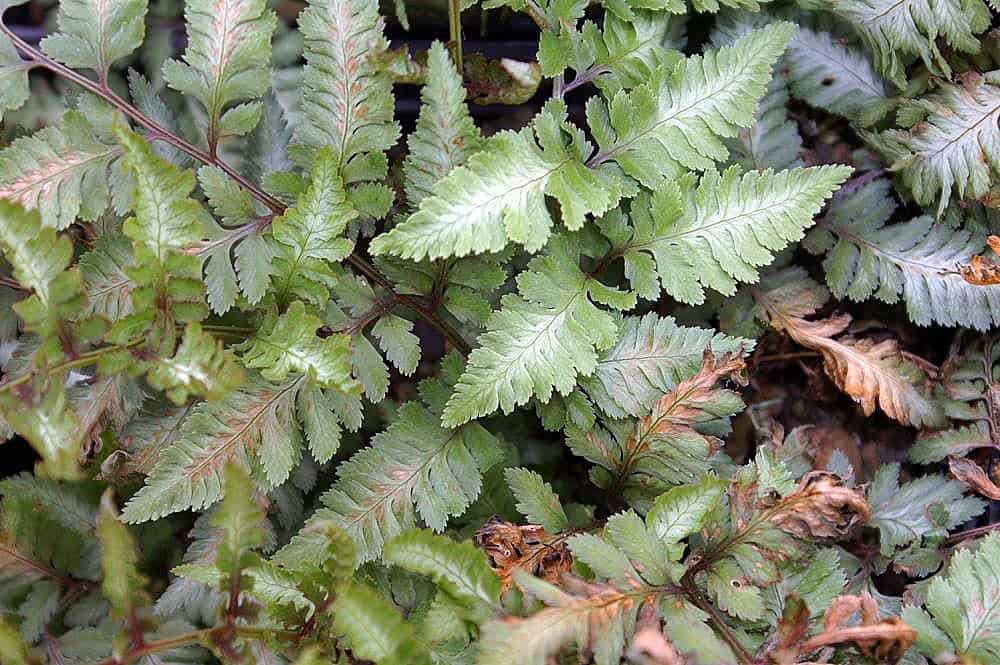
If you’re looking for how to grow Japanese painted fern (athyrium niponicum) in shade gardens, you’ve found one of my absolute favorite plants for those tricky dark spots! I’ve been growing these gorgeous ferns in my Florida garden for years, and they never fail to add that perfect pop of silvery color where other plants just won’t thrive. The painted leaves look like someone took a brush and added metallic highlights to each frond. How to Grow Japanese Painted Fern (athyrium Niponicum) in Shade Gardens is a popular choice for gardeners.
Japanese painted ferns are honestly a game-changer for shade gardening. They’re way more interesting than your typical green hostas, and they handle our humid Florida summers better than you’d expect from a fern.
Why Japanese Painted Fern is Perfect for Shade Gardens
I fell in love with Japanese painted fern the first time I saw those silvery-purple fronds catching what little light filtered through my oak trees. Unlike most ferns that are just green, this beauty has leaves painted in shades of silver, purple, and burgundy with bright green edges. It’s like having living artwork in your garden!
The best part about learning how to grow Japanese painted fern (athyrium niponicum) in shade gardens is that it actually prefers shade. While most plants sulk in low light, this fern thrives there. I’ve got mine planted under my covered patio and in the deep shade along my north-facing fence, and they look absolutely stunning.
In Florida’s zones 8-11, Japanese painted fern works as a perennial that comes back year after year. The fronds die back in winter (even here in the warmer parts of Florida), but new growth emerges in spring. I always get excited when I see those first silvery shoots poking up through the mulch!
What really sold me on this plant is how it plays well with others. I’ve paired mine with hostas, caladiums, and begonias, and the silver foliage makes everything else pop. It’s like having a natural spotlight in your shade garden.
Growing Requirements and Care for Japanese Painted Fern
Related article: How to Grow Herbs in Mason Jars Indoors
The secret to successfully growing Japanese painted fern is understanding that it wants conditions similar to a forest floor. I plant mine in spots that get morning sun but are shaded during the hot afternoon hours. Too much direct sun will actually fade those gorgeous silver markings, so stick to partial to full shade.
Soil is super important with these ferns. They need well-draining soil that stays consistently moist but never soggy. I learned this the hard way when I first planted one in a low spot that collected water after every summer thunderstorm. The roots rotted within a month! Now I always add compost and make sure the planting area has good drainage.
Here in Florida, I’ve found that Japanese painted ferns appreciate extra organic matter in the soil. I work in plenty of compost or leaf mold before planting, and I add a fresh layer of mulch around them each spring. This helps keep the roots cool and moist during our intense summer heat.
Watering is pretty straightforward once you get the hang of it. I water mine deeply but less frequently, usually twice a week during dry spells. The key is keeping the soil evenly moist without letting it get waterlogged. During Florida’s rainy season, I barely water them at all since they get plenty of natural moisture.
Planting and Seasonal Care Tips
The best time to plant Japanese painted fern in Florida is during our cooler months, typically from October through February. I avoid planting during summer because the heat stress makes it harder for new plants to establish. Spring planting works too, but you’ll need to be extra careful about watering during the transition to summer heat.
When I’m planting, I dig holes about twice as wide as the root ball but only as deep. These ferns like to sit at the same level they were growing in their containers. I space them about 18-24 inches apart because they’ll spread slowly over time through underground rhizomes.
Fertilizing is pretty minimal with these plants. I give mine a light application of balanced, slow-release fertilizer in early spring when new growth starts appearing. Too much fertilizer actually reduces the intensity of those beautiful silver markings, so less is definitely more here.
One thing I love about how to grow Japanese painted fern (athyrium niponicum) in shade gardens is that they’re relatively pest-free. Occasionally I’ll see some slug damage on the fronds, especially during our humid summers, but it’s never been a major problem. A sprinkle of diatomaceous earth around the plants usually takes care of any slug issues.
Common Mistakes and Troubleshooting
The biggest mistake I see people make is planting Japanese painted fern in too much sun. I did this myself with my very first plant, thinking it would help the colors pop. Instead, the fronds turned brown and crispy, and I lost most of that gorgeous silver coloring. These ferns really do need shade to show off their best colors.
Overwatering is another common problem, especially here in Florida where we get so much rain during summer. If you notice the fronds turning yellow or the plant looking generally unhappy, check the soil drainage. Japanese painted ferns hate sitting in waterlogged soil, and root rot can kill them quickly.
Don’t panic if your fern dies back completely in winter, even here in Florida. This is totally normal! I remember freaking out the first year when my beautiful plant disappeared, but it came back stronger than ever in spring. Just cut back the dead fronds and wait for new growth.
If your fern isn’t showing good color, it might not be getting the right light conditions. University extension guides recommend dappled shade or morning sun with afternoon shade for the best coloration. I’ve found this to be absolutely true in my own garden.
Growing Japanese painted fern (athyrium niponicum) in shade gardens has been one of my most rewarding gardening experiences. These plants are forgiving, beautiful, and perfect for those challenging shady spots where nothing else seems to work. Once you see those silvery fronds unfurling in your garden, you’ll understand why I’m so obsessed with them.
Don’t be intimidated if you’re new to growing ferns. Japanese painted fern is actually quite easy once you understand its basic needs for shade, good drainage, and consistent moisture. Start with one plant and see how it does in your garden before adding more!
