

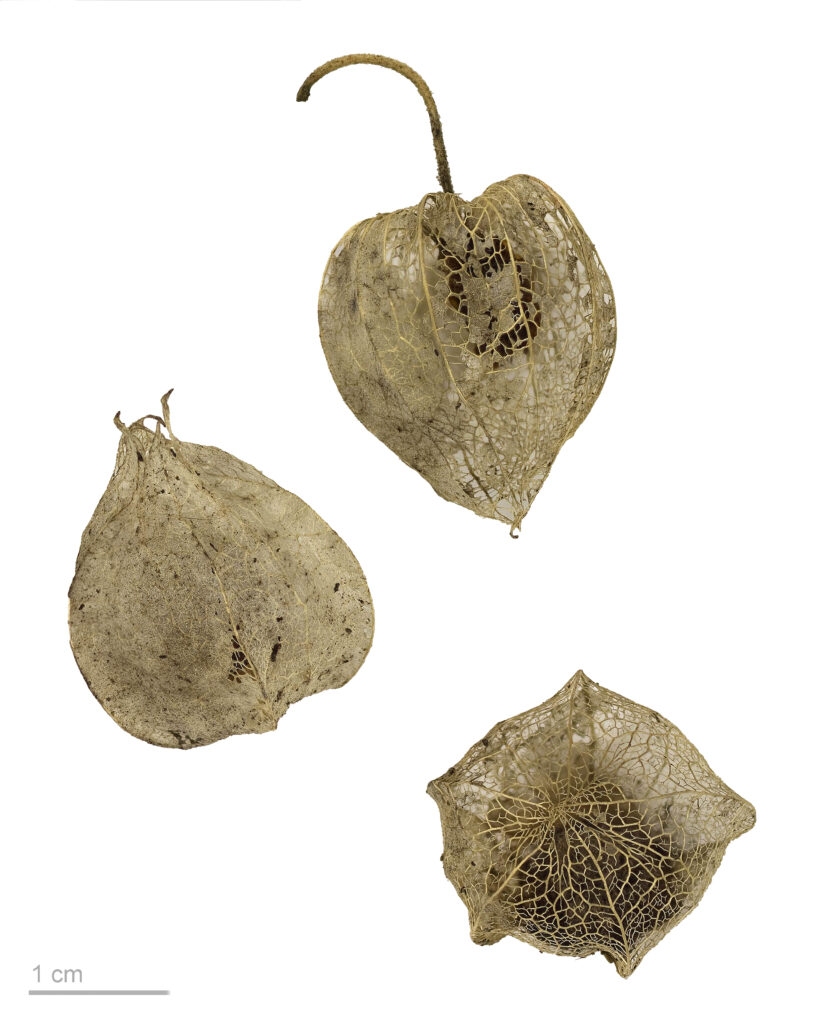
If you’re wondering how to grow ground cherries (physalis pruinosa), you’re in for such a treat! These little golden gems are like nature’s candy wrapped in their own paper lanterns. I discovered ground cherries about five years ago at a farmer’s market here in Florida, and I’ve been completely obsessed ever since. How to Grow Ground Cherries (physalis Pruinosa): Complete Guide to Planting, Care, and Harvest is a popular choice for gardeners.
Ground cherries are incredibly rewarding to grow because they’re basically foolproof once you get them started. They produce dozens of sweet, tangy fruits that taste like a cross between a cherry tomato and a pineapple. Plus, they store for weeks in their husks, which makes them perfect for gardeners who want a low-maintenance crop that keeps giving.
Getting Started: How to Plant Ground Cherries Successfully
The best way to start your ground cherry adventure is by starting seeds indoors about 6-8 weeks before your last frost date. Here in Florida, I usually start mine in late January or early February since our growing season is so long. You can direct sow them outside too, but I’ve had much better success with transplants.
I like to plant the seeds about 1/4 inch deep in seed starting mix. Keep the soil consistently moist but not soggy, and you should see sprouts in about 7-10 days. The seedlings grow pretty slowly at first, so don’t panic if they seem to take forever compared to tomatoes.
Once your seedlings are about 3-4 inches tall and have their second set of true leaves, you can transplant them outside. Make sure all danger of frost has passed because ground cherries are just as frost-sensitive as tomatoes. Space them about 2-3 feet apart since they can spread quite a bit.
Ground cherries love full sun and well-draining soil. I always mix some compost into the planting area because they’re heavy feeders like their tomato cousins. The soil pH should be between 6.0 and 7.0, which is pretty standard for most vegetables.
Essential Care Tips for Growing Healthy Ground Cherry Plants
You might also enjoy: How to Propagate Snake Plants From Leaf Cuttings
Caring for ground cherries is surprisingly simple once you understand their basic needs. They’re related to tomatoes and peppers, so if you can grow those successfully, you’ll do great with ground cherries too. Water them deeply about once or twice a week, depending on rainfall and temperature.
I’ve learned that ground cherries actually prefer slightly drier conditions than tomatoes. Overwatering can lead to lots of leafy growth but fewer fruits. During Florida’s rainy season, I sometimes have to provide extra drainage or even cover my plants during heavy downpours.
Fertilizing is pretty straightforward. I give mine a balanced fertilizer when I first transplant them, then switch to a lower-nitrogen fertilizer once they start flowering. Too much nitrogen will give you beautiful green plants with very few fruits, and trust me, you want those fruits!
One thing I love about ground cherries is that they don’t need staking like tomatoes do. The plants grow in a sprawling, bushy habit and support themselves just fine. However, they can spread up to 3 feet wide, so give them plenty of room to grow.
Common Growing Challenges and How to Solve Them
The biggest challenge I’ve faced with ground cherries is their slow start. These plants take their sweet time getting established, and it can be frustrating when you’re excited to see results. Be patient because once they get going, they’ll produce fruits until the first frost.
Pests aren’t usually a major problem, but I do occasionally see flea beetles on young plants. Row covers work great for protecting seedlings until they’re big enough to handle a little damage. Here in Florida, I also watch out for hornworms, which love all plants in the nightshade family.
Another issue some gardeners face is poor fruit set. This usually happens when temperatures get too hot (above 90°F during the day) or too cool (below 55°F at night). In Florida’s intense summer heat, I sometimes provide afternoon shade to keep my plants happier and more productive.
If your ground cherries aren’t producing many fruits, check your fertilizer routine. Too much nitrogen will give you lots of leaves but few flowers. Switch to a phosphorus-rich fertilizer to encourage blooming and fruit development.
Harvesting and Storing Your Ground Cherry Bounty
This is honestly my favorite part of growing ground cherries! The fruits are ready when they fall off the plant naturally and the papery husk turns brown. I usually check my plants every few days and collect any fruits that have dropped to the ground.
You’ll know they’re perfectly ripe when the husk feels dry and papery, and the fruit inside is golden yellow. Unripe ground cherries are green and quite tart, so patience really pays off here. The ripe ones have this amazing sweet-tart flavor that’s absolutely addictive.
Ground cherries can store for several weeks in their husks at room temperature, or even longer in the refrigerator. I like to remove the husks right before eating them, but you can also husk them all at once and store the clean fruits in the fridge.
One plant typically produces about 1-2 pounds of fruit over the growing season, which might not sound like much but trust me, it’s plenty! I use mine fresh in fruit salads, make them into jams, or just eat them straight as a healthy snack. They’re also gorgeous in desserts because of their bright golden color.
Growing ground cherries has been one of my most rewarding gardening experiences. They’re unique enough to impress your friends but easy enough for beginning gardeners to succeed with. Once you taste that first perfectly ripe ground cherry from your own garden, you’ll understand why I’m so enthusiastic about this complete guide to planting, care, and harvest!
Give ground cherries a try this season and I promise you won’t be disappointed. They’re the perfect addition to any vegetable garden, especially if you’re looking for something a little different from the usual tomatoes and peppers.
