

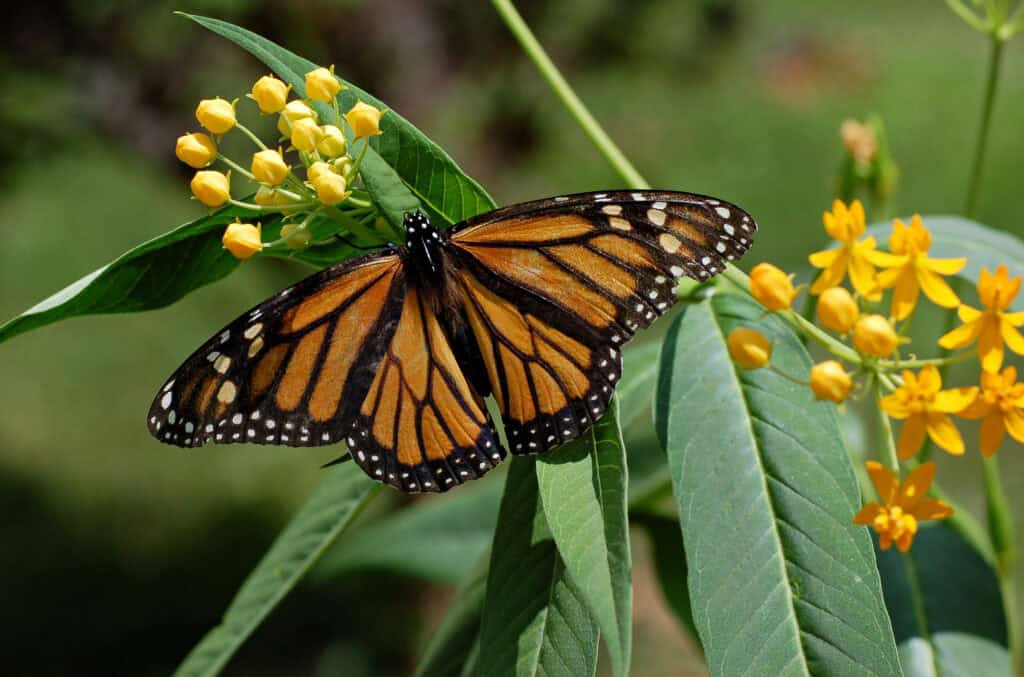
If you want to help monarch butterflies while growing a gorgeous native plant, learning how to grow butterfly milkweed (Asclepias tuberosa) for monarch conservation is one of the best things you can do for your garden and our ecosystem. This bright orange wildflower is absolutely stunning and serves as both a host plant for monarch caterpillars and a nectar source for adult butterflies. I’ve been growing butterfly milkweed in my Florida garden for years, and it never fails to bring joy when I see those beautiful monarchs visiting. How to Grow Butterfly Milkweed (asclepias Tuberosa) for Monarch Conservation is a popular choice for gardeners.
Butterfly milkweed is also called orange milkweed, and it’s native to most of the United States, including Florida. Unlike some of its milkweed cousins, this variety doesn’t have the milky sap that can be messy, making it easier to handle when you’re working in the garden. The bright orange blooms appear from late spring through fall here in Florida, creating a long season of butterfly activity.
Why Butterfly Milkweed is Perfect for Growing Monarch Conservation Gardens
When you grow butterfly milkweed (Asclepias tuberosa) for monarch conservation, you’re providing exactly what these amazing butterflies need to complete their life cycle. Monarch females will only lay their eggs on milkweed plants because that’s the only food their caterpillars can eat. I remember the first time I found tiny monarch eggs on my butterfly milkweed – it felt like winning the gardening lottery!
The relationship between monarchs and milkweeds is absolutely fascinating. The caterpillars eat the leaves, which contain compounds that make them toxic to predators. This protection stays with them even when they become butterflies. It’s like nature’s own superhero origin story happening right in your backyard.
In Florida, we’re lucky because butterfly milkweed can bloom almost year-round in our warmer zones. This extended flowering period means you’re supporting monarchs during their migration south and providing resources for any that overwinter here. I’ve noticed that my plants get the most monarch activity during the fall migration, which is such an incredible sight.
The USDA Forest Service emphasizes how important native milkweeds are for monarch conservation, and butterfly milkweed is one of the best choices for southern gardens.
How to Grow Butterfly Milkweed Successfully in Florida Gardens
Related article: How to Propagate Snake Plants From Leaf Cuttings
Growing butterfly milkweed for monarch conservation starts with understanding that this plant absolutely loves full sun and well-draining soil. In Florida’s sandy soil, drainage usually isn’t a problem, but if you have clay or areas that stay wet, you’ll want to plant in raised beds or add some sand to improve drainage. I learned this the hard way when my first plants rotted in a low spot that collected water.
The best time to plant butterfly milkweed in Florida is during our cooler months, from October through March. This gives the plants time to establish their deep taproot before our intense summer heat arrives. I always tell people that patience is key with this plant because it can be slow to emerge in spring, sometimes not showing up until the soil really warms up.
You can start butterfly milkweed from seeds or buy small plants from native plant sales. Seeds need a cold treatment period, which can be tricky in Florida, so I usually recommend buying plants for beginners. If you do want to try seeds, put them in the refrigerator for about 30 days before planting.
Once established, butterfly milkweed is incredibly drought tolerant. I rarely water mine except during extreme dry spells. The deep taproot allows it to find water even when the surface soil is dry, and overwatering is actually more likely to kill it than drought.
Essential Care Tips for Butterfly Milkweed and Monarch Conservation
Caring for butterfly milkweed is pretty straightforward once you understand its needs. The most important thing to remember is that this plant goes dormant in winter, even here in Florida. Don’t panic when it disappears completely – it’s just resting underground and will pop back up when conditions are right.
I never use pesticides anywhere near my butterfly milkweed because they can harm the very monarchs I’m trying to help. Even organic pesticides can be dangerous to caterpillars, so I stick to hand-picking any problem insects. Honestly, the monarch caterpillars usually take care of most of the leaves anyway, which is exactly what we want!
Deadheading spent flowers will encourage more blooms, but I like to leave some seed pods to develop naturally. The seeds have fluffy white attachments that help them spread in the wind, and watching them float away is pretty magical. Plus, more plants mean more habitat for monarchs.
Fertilizing isn’t necessary and can actually be counterproductive. Rich soil makes the plants grow too lush and reduces flower production. In Florida’s nutrient-poor sand, butterfly milkweed thrives because it’s adapted to lean conditions.
Creating the Perfect Monarch Habitat Beyond Milkweed
While butterfly milkweed is essential for monarch reproduction, creating a complete habitat means thinking about adult butterfly needs too. Monarchs need nectar sources throughout their time in your garden, so I always plant other native flowers that bloom at different times. Pentas, firebush, and native asters are great companions that keep the nectar flowing.
Water sources are often overlooked but really important. I have a shallow dish with stones where butterflies can land and drink safely. Even a small birdbath works great as long as there are landing spots. Monarchs also need shelter from wind and predators, so having some taller plants or shrubs nearby gives them places to rest.
The Monarch Joint Venture recommends creating clusters of milkweed plants rather than scattering them around your garden. I’ve found that grouping at least three butterfly milkweed plants together seems to attract more monarchs than single plants do.
Avoid using landscape fabric or heavy mulch around butterfly milkweed. Monarch pupae often fall to the ground and need to burrow into loose soil or leaf litter to complete their transformation. I use just a light layer of shredded leaves as mulch, which breaks down naturally and doesn’t interfere with the butterfly life cycle.
Growing butterfly milkweed for monarch conservation has been one of the most rewarding parts of my gardening journey. There’s something truly special about knowing you’re making a real difference for these incredible creatures while adding beauty to your landscape.
Start with just a few plants and watch how quickly the monarchs find them. You’ll be amazed at how this simple act of planting native milkweed can transform your garden into a monarch conservation success story!
