

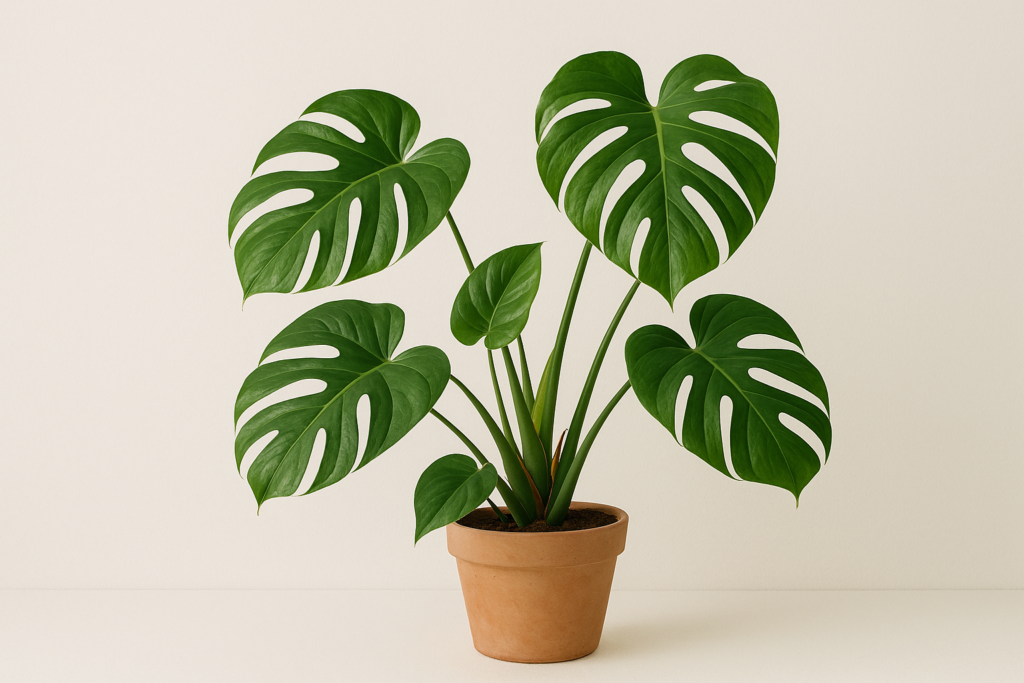
If you want to know how to grow and care for Monstera Deliciosa (swiss cheese plant), you’ve picked one of the most rewarding houseplants ever! I’ve been growing these gorgeous tropical beauties for years now, and they never fail to impress visitors with their dramatic split leaves. The best part is they’re actually pretty forgiving once you understand what makes them happy. How to Grow and Care for Monstera Deliciosa (swiss Cheese Plant) is a popular choice for gardeners.
These plants are native to the rainforests of Central America, which gives us great clues about what they need to thrive indoors. I love how they start as cute little plants with solid heart-shaped leaves, then develop those iconic splits and holes as they mature. It’s like watching a plant transform right before your eyes!
Getting Started with Your Monstera Deliciosa Care Routine
When I first brought home my Monstera, I made the mistake of treating it like any other houseplant. Big mistake! These climbing plants need a few specific things to really flourish, and once I figured that out, mine took off like crazy.
The most important thing is understanding that Monsteras are climbers in nature. I always give mine a moss pole or sturdy stake to climb up, which encourages those beautiful large leaves with dramatic splits. Without support, the leaves tend to stay smaller and less fenestrated (that’s the fancy word for those holes and splits we all love).
Here in Florida, I’ve learned that these plants absolutely love our humidity, but they can be a bit picky about their other conditions. The good news is once you get the basics right, they’re incredibly rewarding growers. I’m talking about putting out new leaves every few weeks during growing season!
Light is probably where most people struggle with Monstera care. These plants want bright, indirect light, which means near a window but not in direct sun rays. I keep mine about 3-4 feet from my east-facing window, and it’s perfectly happy there.
Watering and Humidity Tips for Healthy Monstera Growth
You might also enjoy: How to Grow Basil Indoors
Learning how to grow and care for Monstera Deliciosa really comes down to mastering the watering schedule. I use what I call the “finger test” – stick your finger about 2 inches down into the soil, and if it feels dry, it’s time to water. This usually works out to about once a week in summer and every 10 days in winter.
The biggest killer of Monsteras is overwatering, trust me on this one. I lost my first plant by keeping the soil constantly moist, thinking I was being helpful. These plants like to dry out a bit between waterings, just like they would in their natural habitat during dry spells.
When you do water, give it a good thorough drink until water runs out the drainage holes. Then empty the saucer after about 30 minutes so the plant isn’t sitting in standing water. I learned this the hard way when I noticed my plant’s roots starting to rot from too much moisture.
University extension research shows that proper drainage is essential for tropical houseplants like Monseras. That’s why I always use pots with drainage holes and a well-draining potting mix with some perlite mixed in.
Creating the Perfect Environment for Swiss Cheese Plant Success
Temperature and humidity are where Florida gardeners like me have a real advantage with Monstera care! These plants love temperatures between 65-80°F, which is pretty much our indoor climate year-round. They’re not fans of cold drafts or sudden temperature changes, so keep them away from air conditioning vents.
Humidity is where Monsteras really shine in our climate. They prefer humidity levels around 50-60%, which happens naturally in most Florida homes. If you’re in a drier climate, try grouping your plants together or using a pebble tray with water to boost humidity around your Monstera.
I’ve noticed my plants grow much faster during our humid summer months compared to winter when the air conditioning dries things out a bit. If you notice brown leaf tips, that’s usually a sign the humidity is too low. A simple humidifier nearby can work wonders.
The soil mix is another key factor in successful Monstera growing. I use a mix that’s about 60% regular potting soil, 30% orchid bark, and 10% perlite. This gives great drainage while still holding enough moisture for the roots to stay happy.
Troubleshooting Common Problems and Encouraging Split Leaves
The question I get most often is “Why doesn’t my Monstera have splits?” The answer usually comes down to age, light, and support. Young plants won’t develop fenestrations until they’re mature, which can take 2-3 years from a small cutting.
If your plant is mature but still not splitting, it probably needs more light or a climbing support. I’ve seen dramatic improvements in leaf size and splitting once people add a moss pole and move their plant to a brighter spot. The plant needs to feel like it’s climbing toward the forest canopy to trigger those gorgeous mature leaves.
Yellow leaves are another common concern, and they’re usually telling you something about your watering routine. If the yellowing starts from the bottom and works up, you’re probably overwatering. If newer leaves are yellowing, you might be underwatering or the plant needs fertilizer.
USDA studies have shown that plants like Monsteras can actually help purify indoor air while adding natural beauty to your space. I fertilize mine monthly during spring and summer with a balanced liquid fertilizer diluted to half strength.
Don’t panic if you see small brown spots on older leaves – this is totally normal as leaves age. However, if you notice mushy black spots or a bad smell from the soil, you might be dealing with root rot and need to check the roots and adjust your watering.
Growing and caring for Monstera Deliciosa has been one of my most rewarding plant experiences. These plants give back so much beauty and personality once you understand their needs. The key is patience with young plants and consistency with care routines.
Remember that every plant is different, so don’t get discouraged if it takes some time to figure out what works best in your specific home environment. I promise that once you see those first split leaves developing, you’ll be hooked on these amazing plants just like I am!
