

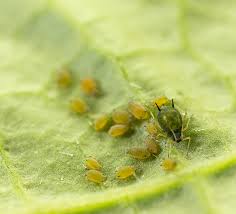
If you’re wondering how to get rid of aphids on tomato plants naturally, you’re definitely not alone! I’ve been battling these tiny green pests in my Florida garden for years, and I’ve learned that natural methods work just as well as chemical sprays without putting your family or beneficial insects at risk. These soft-bodied little bugs love to cluster on tomato stems and leaves, sucking out plant juices and potentially spreading diseases. The good news is that you can win this battle using simple household items and garden-friendly techniques that I’ve tested myself. How to Get Rid of Aphids on Tomato Plants Naturally is a popular choice for gardeners.
Understanding Aphids and Why Natural Methods Work Best for Getting Rid of Them on Tomato Plants
Aphids are those tiny, soft-bodied insects that seem to appear overnight on your tomato plants. I usually spot them first on the undersides of leaves or clustering around new growth. They can be green, black, red, or even white, and they reproduce incredibly fast. One day you have a few, and the next day there are hundreds!
What makes natural aphid control so effective is that these bugs are actually pretty fragile. Their soft bodies make them vulnerable to simple solutions like soapy water or even a strong spray from your garden hose. I learned this the hard way after trying harsh chemical sprays that killed beneficial insects along with the aphids.
Here in Florida, our warm, humid climate can make aphid problems worse because they breed faster in these conditions. I’ve noticed they’re especially bad during spring and fall when temperatures are mild. The key is catching them early before they establish large colonies.
Natural methods also protect ladybugs, lacewings, and other beneficial insects that actually eat aphids. When I stopped using chemical sprays, I noticed more of these helpful bugs showing up in my garden. It’s like having a free pest control service that works around the clock!
Simple Soap Spray Solutions to Get Rid of Aphids on Tomato Plants Naturally
For more gardening tips, check out: How to Grow Basil Indoors
My go-to method for getting rid of aphids naturally is a basic soap spray that you can make with ingredients from your kitchen. I mix one teaspoon of mild liquid dish soap with one quart of water in a spray bottle. Make sure you use plain dish soap without any additives, fragrances, or antibacterial agents.
I spray this solution directly on the aphids, making sure to hit the undersides of leaves where they love to hide. The soap breaks down their protective waxy coating and dehydrates them. It sounds harsh, but it’s actually much gentler on your plants and the environment than chemical pesticides.
The timing of application matters a lot. I always spray in the early morning or late evening when temperatures are cooler. Spraying during the heat of the day can actually burn your tomato leaves, especially here in Florida where our sun is intense. I learned this lesson after damaging a few plants early in my gardening journey!
You’ll need to reapply the soap spray every few days until the aphid population is under control. I usually see dead aphids within a few hours of spraying. After about a week of consistent treatment, the population drops significantly. Don’t forget to spray new growth regularly since aphids are attracted to tender young leaves and stems.
How to Use Water Pressure and Companion Planting to Naturally Control Aphids
Sometimes the simplest solutions work best, and a strong spray of water from your garden hose can knock aphids right off your tomato plants. I use this method when I first notice aphids appearing, before they’ve had time to establish large colonies. The key is using enough pressure to dislodge them without damaging your plants.
I aim the water spray at the undersides of leaves and along stems where aphids cluster. Most of the aphids that get knocked off won’t be able to crawl back up to your plants. It’s not a permanent solution, but it gives you time to implement other natural control methods.
Companion planting has been a game-changer in my garden for preventing aphid problems before they start. I plant marigolds, nasturtiums, and catnip around my tomato plants. These flowers naturally repel aphids while attracting beneficial insects that eat them. University extension research shows that companion planting can significantly reduce aphid populations.
Basil planted near tomatoes not only improves the flavor of your tomatoes but also helps keep aphids away. I always tuck basil plants between my tomato rows. The strong scent confuses aphids and makes it harder for them to find your tomato plants. Plus, you get fresh herbs for cooking!
Encouraging Beneficial Insects and Long-Term Prevention Strategies
The best long-term strategy for aphid control is creating a garden environment that attracts their natural predators. Ladybugs, lacewings, and parasitic wasps are incredibly effective at controlling aphid populations. I’ve seen a single ladybug consume dozens of aphids in one day.
To attract these beneficial insects, I plant flowers like alyssum, dill, and fennel throughout my garden. These plants provide nectar and pollen that adult beneficial insects need. I also avoid using any broad-spectrum pesticides that would kill both good and bad bugs.
Creating habitat diversity helps too. I leave some areas of my garden a little wild with native plants and small brush piles where beneficial insects can overwinter. This ensures I have a resident population of good bugs ready to tackle aphid outbreaks when they occur.
Healthy soil and proper plant nutrition make tomatoes more resistant to aphid damage. I add compost to my tomato beds every season and make sure my plants get consistent water. Stressed plants are more attractive to aphids, so keeping your tomatoes happy is your first line of defense.
Regular monitoring is essential for catching aphid problems early. I check my tomato plants at least twice a week, looking at both the tops and undersides of leaves. The USDA recommends early detection as the most effective approach to natural pest management.
Natural aphid control takes a little more patience than reaching for a chemical spray, but the results are so much better for your garden ecosystem. I’ve found that once you establish good beneficial insect populations and healthy soil, aphid problems become much less frequent and severe. Your tomatoes will be healthier, your garden will be safer for kids and pets, and you’ll feel good about growing food without harmful chemicals. Trust me, after years of trying both approaches, natural methods are definitely the way to go!
