

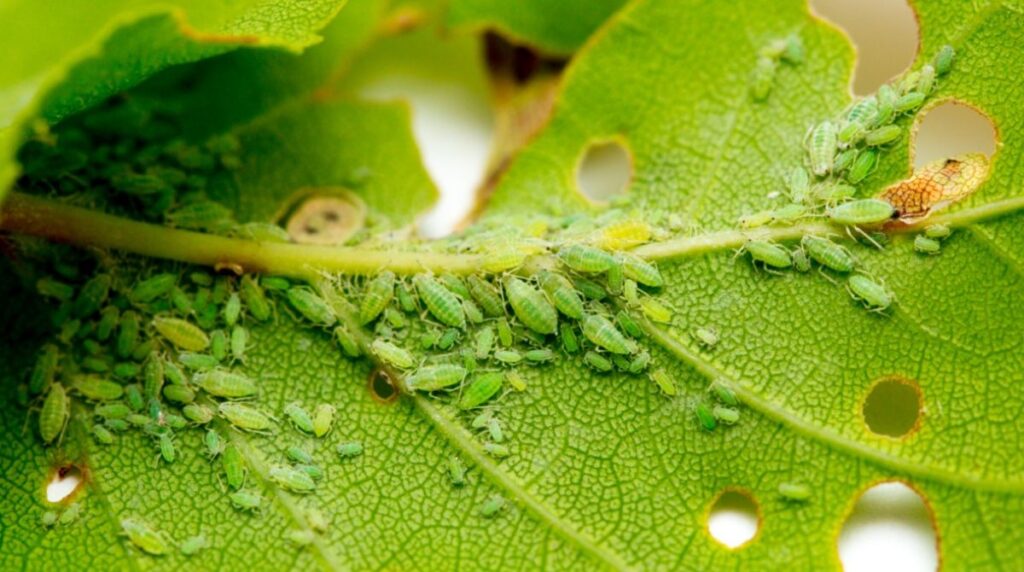
If you’ve ever spotted tiny green or black bugs clustering on your plants, you’re dealing with aphids, and trust me, I know how frustrating they can be! Learning how to get rid of aphids on garden plants naturally is one of the best skills any gardener can master. These little pests love to suck the life out of our beautiful plants, but the good news is you don’t need harsh chemicals to send them packing. How to Get Rid of Aphids on Garden Plants Naturally is a popular choice for gardeners.
I’ve been battling aphids in my Florida garden for years, and I’ve discovered some amazing natural methods that actually work better than store-bought sprays. The key is acting fast and using gentle but effective techniques that won’t harm beneficial insects like bees and ladybugs.
Understanding Aphids and Why Natural Methods Work Best
Aphids are tiny, soft-bodied insects that love to feast on plant sap, especially on new growth and tender leaves. I usually spot them first on my roses, tomatoes, and peppers here in Florida, where our warm, humid climate makes them super happy year-round. They reproduce incredibly fast, which is why a small problem can become a big one in just a few days.
What I love about natural aphid control is that it doesn’t disrupt the garden ecosystem. Chemical pesticides can kill beneficial insects along with the bad ones, but natural methods target just the aphids. Plus, you don’t have to worry about harmful residues on vegetables you’re planning to eat.
In Florida’s climate, aphids tend to be most active during our cooler months from October through March. That’s when I’m most vigilant about checking my plants, especially the undersides of leaves where these sneaky bugs like to hide. The good news is that natural predators like ladybugs and lacewings are also active during this time, so nature often helps with the cleanup!
Simple Water Sprays: How to Get Rid of Aphids Naturally
For more gardening tips, check out: Starting a Container Garden
The easiest way I’ve found to deal with aphids is simply blasting them off with water. I use my garden hose with a spray nozzle set to a firm but not damaging pressure. This method works because aphids are terrible climbers and once they fall off, they usually can’t make it back up to the plant.
I do this early in the morning so the plants have time to dry before evening, which helps prevent fungal problems. In Florida’s humidity, wet leaves overnight can spell trouble, so timing is everything. I spray the undersides of leaves especially well since that’s where most aphids hang out.
For smaller plants or houseplants, I take them to the kitchen sink and give them a gentle shower. The key is being thorough but gentle so you don’t damage tender new growth. This method alone often solves minor aphid problems, and it’s completely safe for edible plants.
Homemade Soap Sprays for Stubborn Aphid Problems
When water alone isn’t enough, I mix up my favorite soapy water spray that’s been a game-changer for getting rid of aphids on garden plants naturally. I use about one teaspoon of mild liquid dish soap (nothing fancy, just regular Dawn or similar) mixed into one quart of water. The soap suffocates the aphids without harming the plant.
I spray this mixture directly onto affected areas in the early morning or late evening to avoid leaf burn in Florida’s intense sun. The soap needs direct contact with the aphids to work, so I make sure to hit the undersides of leaves and stem joints where they cluster. I always test a small area first to make sure my plants can handle it.
After about 15 minutes, I rinse the plants with clean water to remove soap residue. This step is important because soap left on leaves can actually attract more pests or cause burning. I repeat this treatment every few days until the aphids are gone, which usually takes about a week.
Encouraging Natural Predators and Long-Term Prevention
The best long-term solution I’ve found is creating a garden that attracts aphid-eating beneficial insects. Ladybugs, lacewings, and even tiny parasitic wasps are amazing at controlling aphid populations naturally. I plant flowers like marigolds, sweet alyssum, and fennel to attract these helpful bugs to my garden.
University of Florida research shows that diverse plantings with plenty of flowering plants support beneficial insect populations much better than monoculture gardens. I’ve noticed that my mixed vegetable and flower beds have way fewer aphid problems than areas where I grow just one type of plant.
Healthy plants are also more resistant to aphid attacks, so I focus on proper watering, good soil, and not over-fertilizing with nitrogen. Too much nitrogen actually makes plants more attractive to aphids because it creates super tender, sap-rich growth. I learned this the hard way when I went overboard with fertilizer on my tomatoes one year!
Regular garden inspection is my secret weapon for preventing major aphid outbreaks. I spend a few minutes each morning checking my plants, especially during peak aphid season. Integrated pest management approaches like this catch problems early when they’re much easier to handle naturally.
Learning how to get rid of aphids on garden plants naturally has made me a much more confident gardener. These methods work beautifully in Florida’s climate and they’re safe for my family, pets, and beneficial insects. The best part is that most of these solutions use things you probably already have at home!
Start with the simple water spray method and work your way up to soap treatments if needed. Remember, consistency is key, and don’t get discouraged if it takes a few tries to get the hang of it. Every gardener deals with aphids at some point, and now you have the tools to handle them naturally and effectively!
