

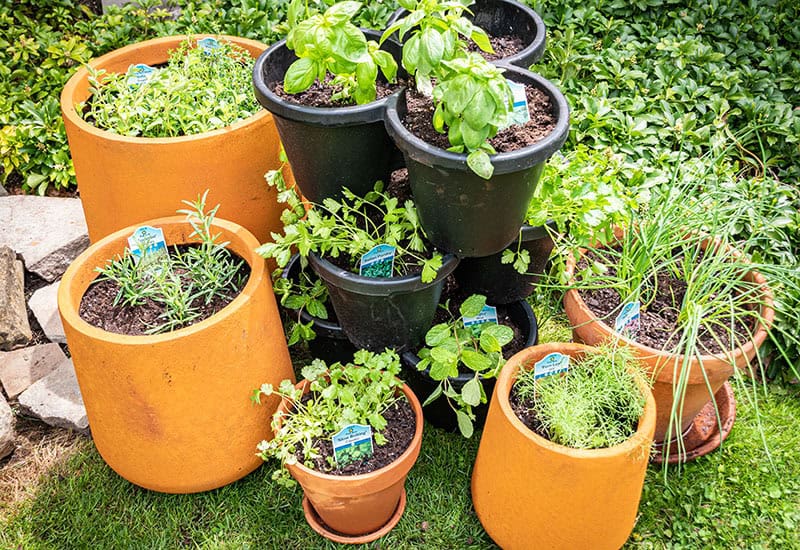
I’ve been growing herbs in containers for over a decade here in Florida, and let me tell you, learning how to create a thriving herb garden in small containers changed everything about my cooking! There’s nothing quite like stepping outside to snip fresh basil for your pasta or grabbing some mint for your morning tea. Container herb gardening is perfect for anyone with limited space, renters who can’t dig up their yards, or folks like me who love having total control over their plants. How to Create a Thriving Herb Garden in Small Containers is a popular choice for gardeners.
The best part about container herb gardening is that you can literally start today with just a few pots and some seeds. You don’t need a big yard, fancy equipment, or even much experience. I started with three small pots on my apartment balcony years ago, and now I have herbs growing all over my patio and even indoors!
Choosing the Right Containers for Your Small Space Herb Garden
The container you choose can make or break your herb garden, and I learned this the hard way when I first started. I thought any old pot would work, but boy was I wrong! Your herbs need containers that are at least 6-8 inches deep for most varieties, though deeper is always better. I use 10-12 inch pots for my basil and rosemary because they develop bigger root systems.
Drainage is absolutely critical, and I can’t stress this enough. Every single container needs drainage holes in the bottom, or your herbs will develop root rot faster than you can say “fresh pesto.” I’ve killed more plants with poor drainage than I care to admit! If you fall in love with a pot that doesn’t have holes, you can drill them yourself or use it as a decorative outer pot with a smaller draining pot inside.
Size matters when you’re planning how to create a thriving herb garden in small containers. Smaller herbs like thyme, oregano, and chives can share larger containers, but give space hogs like basil and parsley their own pots. I learned that cramming too many herbs together just leads to competition for nutrients and stunted growth.
Here in Florida, I always choose light-colored containers because our sun can get intense. Dark pots absorb heat and can literally cook your herb roots during summer afternoons. Terra cotta pots are my favorite because they’re porous and help prevent overwatering, plus they look great on any patio or windowsill.
Best Herbs for Small Container Gardens
For more gardening tips, check out: Starting Cool-season Vegetables Indoors in January for Early Spring Harvests
Not all herbs are created equal when it comes to container growing, and picking the right ones will set you up for success. Basil is hands down my top recommendation for beginners because it grows fast, tastes amazing, and actually prefers containers to garden beds. I grow at least four different basil varieties every year, from classic Genovese to spicy Thai basil.
Parsley, both flat-leaf and curly, thrives in containers and gives you tons of harvests throughout the growing season. Chives are practically indestructible and will keep producing for years in the same pot. Oregano and thyme are Mediterranean herbs that actually prefer the well-draining conditions that containers provide, making them perfect for this type of gardening.
For those wanting to create a thriving herb garden in small containers with some unique flavors, I love growing cilantro (though it bolts quickly in Florida heat), mint (which I always keep contained because it’s so aggressive), and sage. These herbs all have distinct growing needs, but they’re totally manageable in pots with a little attention.
Rosemary deserves special mention because it’s basically a small shrub that can live for years in a large container. Mine is going on five years old and provides fresh herbs year-round! Just remember it needs excellent drainage and doesn’t like to be overwatered.
Essential Care Tips for Container Herb Success
Watering container herbs is an art form that took me a while to master, but once you get it right, your plants will reward you with abundant growth. The key is checking your soil moisture regularly because containers dry out much faster than garden beds, especially here in Florida’s heat and humidity. I stick my finger about two inches into the soil, and if it feels dry, it’s time to water.
Most herbs prefer to dry out slightly between waterings rather than staying constantly moist. I water deeply until water runs out the drainage holes, then let the soil dry before watering again. This encourages deep root growth and prevents the shallow watering that leads to weak plants.
Fertilizing container herbs requires a lighter touch than you might think. I use a diluted liquid fertilizer every two weeks during the growing season, but I cut the recommended strength in half because herbs grown for culinary use taste better when they’re not overfed. Too much nitrogen makes the leaves grow fast but reduces their essential oils, which means less flavor in your cooking.
Location is everything when learning how to create a thriving herb garden in small containers. Most herbs need at least 6 hours of direct sunlight daily, though here in Florida, I provide some afternoon shade during the hottest months. I move my containers around seasonally to give them the best light conditions, which is one of the huge advantages of container gardening!
Harvesting and Maintaining Your Herb Container Garden
The secret to keeping your herbs producing all season long is regular harvesting, and this is where container gardening really shines. I harvest little and often, pinching off stems just above a set of leaves to encourage bushier growth. Never harvest more than one-third of the plant at once, or you’ll stress it out and reduce future production.
Pinching off flower buds is crucial for herbs like basil, cilantro, and parsley because once they flower, the leaves become bitter and the plant stops producing tender new growth. I check my plants every few days and pinch off any flower buds I see. Don’t worry, this actually helps the plant focus its energy on producing more delicious leaves!
Regular maintenance keeps your container herb garden thriving throughout the season. I deadhead spent flowers, remove any yellowing or damaged leaves, and give the plants a gentle shake occasionally to improve air circulation. The University of Florida Extension recommends checking for pests weekly, which is especially important in our warm climate where bugs can multiply quickly.
Succession planting is a game-changer for herbs like cilantro and basil that have short productive periods. I plant new seeds every 2-3 weeks to ensure a continuous harvest. This works perfectly in containers because you can have plants at different stages of maturity in separate pots, giving you fresh herbs all season long.
Container herb gardening has brought so much joy and flavor to my cooking over the years, and I know it will do the same for you. Start small with just a few easy herbs like basil and parsley, then expand your collection as you gain confidence. The beauty of learning how to create a thriving herb garden in small containers is that you can always add more pots and try new varieties!
Remember, every expert gardener started as a beginner, and container herb gardening is one of the most forgiving ways to get started. Your herbs will teach you what they need as you go, and before you know it, you’ll be the one giving advice to other aspiring herb gardeners!
