

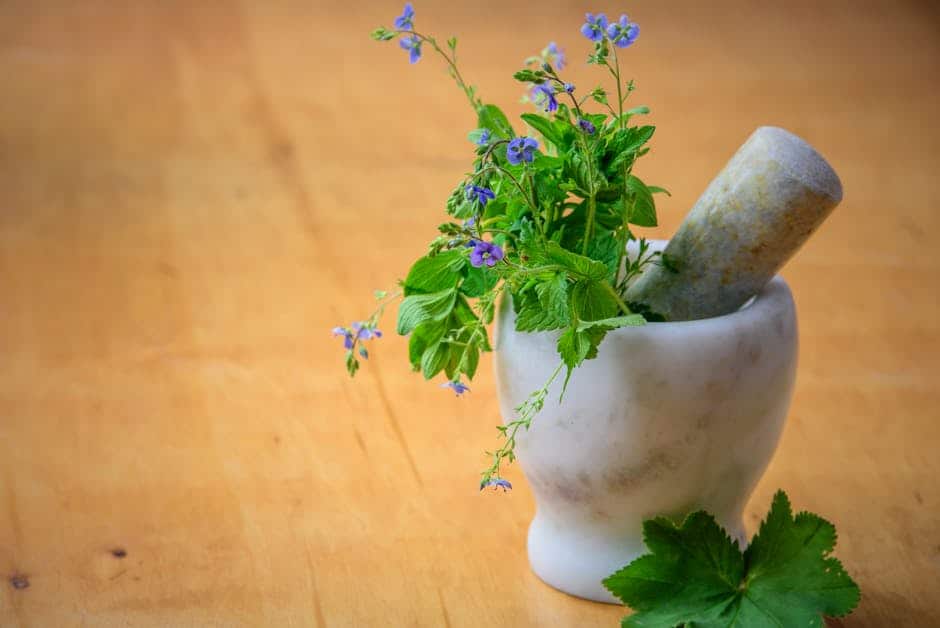
Learning how to create a productive herb garden in small containers is one of the best decisions I ever made for my cooking and my sanity! Whether you’re dealing with a tiny apartment balcony, a small patio, or just want fresh herbs within arm’s reach of your kitchen, container gardening is absolutely perfect. You don’t need a huge yard or tons of gardening experience to grow amazing herbs. “how to Create a Productive Herb Garden in Small Containers” is a popular choice for gardeners.
I started my container herb garden about five years ago when I was living in a condo with zero yard space. Now I can’t imagine cooking without stepping outside to snip fresh basil, oregano, or cilantro whenever I need it. The flavors are so much better than store-bought herbs, and you’ll save a ton of money too.
Choosing the Right Containers for Your Productive Herb Garden
The container you choose can make or break your herb garden success. I learned this the hard way when my first basil plants died because I used pots that were way too small. Most herbs need containers that are at least 6-8 inches deep, but I always go bigger when possible because larger pots hold moisture better and give the roots room to spread.
Drainage is absolutely critical, and I can’t stress this enough. Every single container needs drainage holes in the bottom, or your herbs will get root rot and die. I’ve killed more plants from overwatering than underwatering, trust me on this one. If you fall in love with a pot that doesn’t have holes, you can drill them yourself with a masonry bit.
For material, I love using ceramic or terracotta pots because they look great and help regulate soil moisture. Plastic works fine too and is lighter if you need to move your containers around. Here in Florida, I avoid dark-colored pots because they get scorching hot in our sun and can literally cook the roots.
Window boxes are fantastic for herbs like chives, parsley, and cilantro. I have a long planter box on my kitchen windowsill that I use constantly. Just make sure it’s deep enough and has good drainage like any other container.
Best Herbs for Small Container Gardens
Related article: How to Grow and Care for Pothos (Devil’s Ivy)
When you’re learning how to create a productive herb garden in small containers, starting with the right herbs makes all the difference. Some herbs are just naturally better suited for container life, and these are the ones I always recommend to beginners.
Basil is my absolute favorite because it grows fast and produces tons of leaves. I grow several varieties including sweet basil, Thai basil, and purple basil. They all do great in containers and you can keep harvesting from the same plant for months. Just pinch off the flower buds to keep the leaves coming.
Oregano and thyme are incredibly low-maintenance and perfect for beginners. Once established, they’re practically drought-tolerant, which is great if you sometimes forget to water. I have oregano plants that have been thriving in the same pots for over two years now.
Cilantro is tricky because it bolts quickly in heat, but it’s so useful in cooking that I grow it anyway. The secret is to plant new seeds every 2-3 weeks for a continuous harvest. In Florida, I have much better luck growing it in fall, winter, and early spring when it’s cooler.
Parsley, both flat-leaf and curly, does beautifully in containers and produces for a really long time. Chives are another winner because they’re perennial and just keep coming back. I cut mine down to about an inch above the soil and they regrow like magic.
Essential Care Tips for Container Herb Success
Watering is probably the biggest challenge when you’re figuring out how to create a productive herb garden in small containers. Container plants dry out much faster than ground plants, especially in hot climates like Florida. I check my herbs every single day during summer because they can go from perfectly happy to wilted in just a few hours of intense heat.
The finger test is your best friend here. Stick your finger about an inch into the soil, and if it feels dry, it’s time to water. Most herbs prefer to dry out slightly between waterings rather than staying constantly moist. When you do water, water deeply until it runs out the drainage holes.
Fertilizing container herbs is simpler than you might think. I use a diluted liquid fertilizer about once every two weeks during the growing season. Don’t go crazy with fertilizer though, because too much can actually reduce the essential oils that give herbs their flavor. I learned this when I over-fertilized my basil and it grew huge but tasted bland.
Location matters more than people realize. Most herbs need at least 6 hours of direct sunlight, but here in Florida, I’ve found that some afternoon shade actually helps during our brutal summers. I move my containers around seasonally to give them the best conditions possible.
Maximizing Your Harvest and Keeping Plants Productive
The secret to getting the most from your container herb garden is learning how to harvest properly. I used to be so scared of cutting my plants that I barely harvested anything, but herbs actually produce more when you cut them regularly. It’s like giving them a haircut that encourages new growth.
For leafy herbs like basil and oregano, I harvest from the top down, cutting just above a set of leaves. This encourages the plant to branch out and become bushier instead of tall and spindly. Never harvest more than about one-third of the plant at one time, and it will keep producing for months.
Pinching flowers is super important for keeping your herbs productive. When herbs start to flower, they put all their energy into making seeds instead of tasty leaves. I go through my containers every few days and pinch off any flower buds I see, especially on basil and cilantro.
Succession planting has been a game-changer for me. Instead of planting all my cilantro or lettuce at once, I plant new seeds every 2-3 weeks. This way I always have young, tender plants ready to harvest. University extension programs often recommend this technique for continuous harvests.
Companion planting works great in containers too. I plant basil near my tomatoes because they’re supposed to help each other grow, and I love having both ingredients for fresh bruschetta right next to each other. Herbs like thyme and oregano can share larger containers because they have similar water and sun needs.
Learning how to create a productive herb garden in small containers has honestly transformed my cooking and my connection to my food. There’s something so satisfying about walking outside and picking exactly what you need for dinner, knowing it’s the freshest possible herbs you could get.
Don’t be discouraged if your first attempts aren’t perfect. I killed plenty of plants when I was starting out, and I still lose some occasionally. Every gardener does! The important thing is to keep trying and learning from what works and what doesn’t in your specific situation.
