

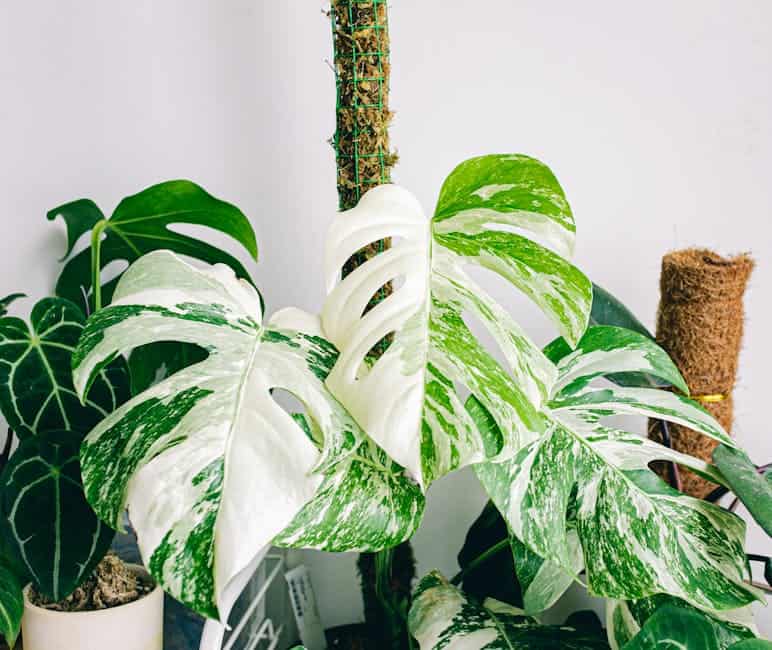
Learning how to care for Monstera Thai Constellation can feel overwhelming when you first bring one home, but I promise it’s easier than you think! These stunning variegated beauties with their creamy white and green marbled leaves have become one of my absolute favorite houseplants. The key is understanding what they need and avoiding the mistakes that trip up most plant parents. How to Care for Monstera Thai Constellation: Complete Guide to Avoiding Common Problems is a popular choice for gardeners.
I’ve been growing Thai Constellations for several years now, and I’ve made just about every mistake in the book. But that’s exactly why I want to share what I’ve learned with you. These plants are absolutely worth the effort once you get their care routine down, and they’ll reward you with gorgeous growth that gets better with age.
Understanding Your Monstera Thai Constellation Care Basics
The first thing you need to know about how to care for Monstera Thai Constellation is that these plants are actually quite forgiving once you understand their preferences. They’re native to tropical regions, so they love warmth, humidity, and bright indirect light. Think of recreating a jungle understory in your home, and you’re on the right track.
Light is probably the most important factor for healthy growth. I keep mine about 6 feet from a south-facing window where they get plenty of bright, filtered light throughout the day. Too much direct sun will scorch those beautiful variegated leaves, but too little light means slow growth and less variegation. If you notice the white portions turning brown or crispy, move your plant away from direct sunlight immediately.
Here in Florida, I have to be extra careful about light because our sun is so intense. During summer months, I actually move my Thai Constellation a bit further from the window or use a sheer curtain to filter the light. The variegated sections are more sensitive to burning than regular green leaves, so protection is key.
Temperature consistency matters more than you might think. These plants prefer temperatures between 65-80°F and really don’t like sudden changes. I learned this the hard way when I moved one of mine near an air conditioning vent, and it started dropping leaves within a week!
Watering and Humidity Secrets for Monstera Thai Constellation Success
Also read: How to Grow Basil Indoors
Getting the watering right is where most people struggle with Monstera Thai Constellation care, but I’ve got a foolproof method that works every time. I use the finger test – stick your finger about 2 inches down into the soil, and if it feels dry, it’s time to water. This usually works out to about once a week in summer and every 10 days in winter for me.
When I do water, I water thoroughly until water drains from the bottom holes. Then I let it drain completely because these plants absolutely hate sitting in soggy soil. Root rot is the number one killer of Thai Constellations, and trust me, I’ve lost plants to this before I figured out proper watering.
The humidity situation here in Florida is naturally perfect for these plants, but if you live somewhere drier, you’ll need to boost humidity levels. I recommend keeping humidity around 50-60% for best results. You can use a humidifier, group plants together, or place a water tray with pebbles nearby.
One trick I love is misting the moss pole if your plant has one, but avoid misting the leaves directly. Water droplets on those beautiful variegated leaves can cause spotting or fungal issues, especially if the water doesn’t dry quickly. University extension services often recommend this approach for tropical houseplants because it reduces disease problems while still providing moisture.
Common Problems and How to Avoid Them with Thai Constellation Care
The biggest mistake I see people make is overwatering, which leads to yellowing leaves and root rot. If you notice yellow leaves starting from the bottom of the plant, check your watering schedule and make sure your pot has drainage holes. I always use a well-draining potting mix with some perlite added for extra drainage.
Brown spots on leaves usually mean either too much direct sun or watering issues. If the brown spots are crispy, it’s likely sun damage – move your plant to a spot with bright but indirect light. If the spots are soft and mushy, you might be dealing with overwatering or bacterial problems.
Another issue I’ve encountered is slow growth or loss of variegation. This almost always comes down to insufficient light. Thai Constellations need plenty of bright light to maintain those gorgeous white patterns. If your new growth is coming in mostly green, gradually move your plant closer to a light source.
Pests can be a problem too, especially spider mites in dry conditions. I check my plants weekly and wipe down the leaves with a damp cloth monthly. This keeps them clean and helps me spot any pest issues early before they become serious problems.
Supporting Growth and Long-term Health
As your Monstera Thai Constellation grows, it’s going to need support to climb and develop those iconic split leaves. I use moss poles, which the aerial roots love to grab onto. You can also use bamboo stakes or even let it trail if you prefer that look, but climbing plants tend to develop larger, more fenestrated leaves.
Fertilizing during the growing season (spring through early fall) helps maintain healthy growth and vibrant variegation. I use a balanced liquid fertilizer diluted to half strength every 2-3 weeks during active growth periods. In winter, I skip fertilizing completely since growth slows down naturally.
Repotting is needed every 2-3 years or when you see roots growing out of the drainage holes. I always go up just one pot size and use fresh, well-draining potting mix. Spring is the best time for repotting since the plant can recover quickly during its active growing season.
Pruning isn’t usually necessary, but you can trim off any damaged or yellowing leaves at any time. I use clean, sharp scissors and cut close to the main stem. This keeps the plant looking tidy and prevents any diseased leaves from affecting healthy growth.
Learning how to care for Monstera Thai Constellation successfully really comes down to consistency and observation. Once you get into a routine with watering, light, and humidity, these plants are incredibly rewarding to grow. The variegation gets more dramatic as the plant matures, and there’s nothing quite like unfurling a new leaf to see the unique pattern.
Don’t get discouraged if you make mistakes along the way – I certainly did! Research from Purdue Extension shows that most houseplant problems are easily correctable once you identify the cause. With patience and the right care approach, your Thai Constellation will thrive and become a stunning centerpiece in your plant collection.
