

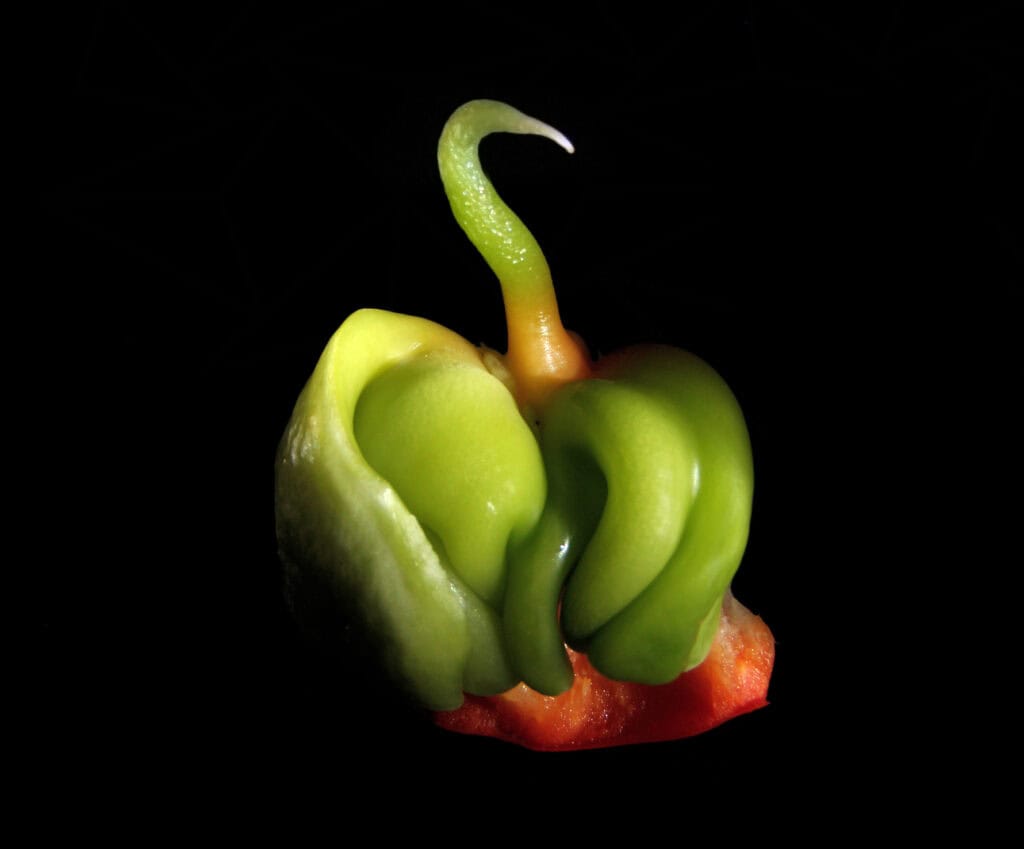
Growing peppers from seed is one of my absolute favorite gardening projects, and honestly, it’s way easier than most people think! There’s something magical about watching those tiny seeds transform into productive pepper plants loaded with colorful fruit. Whether you want sweet bell peppers, spicy jalapeños, or those super-hot varieties that’ll make you cry, starting from seed gives you so many more options than buying transplants. Growing Peppers From Seed is a popular choice for gardeners.
I’ve been growing peppers in Florida for over a decade now, and I can tell you that our warm climate is perfect for these heat-loving plants. The key is timing your seed starting right and giving those little seedlings the care they need to thrive. Once you get the hang of it, you’ll never want to buy pepper plants from the store again!
When to Start Growing Peppers From Seed
Timing is everything when it comes to pepper seeds, especially here in Florida where our growing season is so long. I always start my pepper seeds indoors about 8-10 weeks before our last frost date, which means I’m usually planting seeds in late January or early February. This gives the plants plenty of time to develop strong root systems before they go outside.
In Florida, we’re lucky because we can actually grow peppers almost year-round in most zones. I typically do two plantings – one for spring/summer harvest and another in late summer for fall growing. The fall crop often does better because the plants aren’t dealing with the intense summer heat while they’re trying to establish themselves.
Pepper seeds need warm soil to germinate properly, ideally between 70-85°F. I use a seed starting heat mat under my trays, which keeps the soil consistently warm even when my house gets chilly. Without that warmth, germination can take forever or might not happen at all.
The beauty of starting early is that by the time it’s safe to transplant outside (usually mid to late March here), your plants are already sturdy and ready to take off. I’ve tried direct seeding peppers in the garden, but the results are never as good as starting indoors first.
Best Methods for Starting Pepper Seeds Indoors
For more gardening tips, check out: Starting Tomato Seeds Indoors in March
I’ve tried every seed starting method under the sun, and I’ve found what works best for growing peppers from seed consistently. My go-to setup is simple: seed starting trays with individual cells, good quality seed starting mix, and that heat mat I mentioned earlier. The individual cells prevent root disturbance when it’s time to transplant, which peppers really appreciate.
For soil, I use a lightweight seed starting mix rather than regular potting soil. Regular potting soil is often too heavy and holds too much moisture, which can lead to damping off disease. I learned this the hard way my first year when I lost half my seedlings to fungal problems!
Plant your seeds about 1/4 inch deep – any deeper and they struggle to push through the soil. I usually plant 2-3 seeds per cell and thin to the strongest seedling later. Pepper seeds can be slow to germinate, sometimes taking 2-3 weeks, so don’t panic if nothing happens right away.
Keep the soil consistently moist but not soggy. I use a spray bottle to mist the surface gently rather than watering heavily, which can disturb the seeds. Once those first leaves appear, you can switch to bottom watering by setting the trays in a shallow pan of water.
Caring for Pepper Seedlings
Once your pepper seedlings emerge, they need bright light to grow strong and stocky. I use LED grow lights positioned about 6 inches above the plants, running them for 14-16 hours a day. Without enough light, the seedlings get leggy and weak, which sets them back when you transplant outside.
Temperature is still important even after germination. I keep my seedlings between 65-75°F, which is perfect for steady growth. If they get too hot, they can get stressed, and if they’re too cool, growth slows way down.
Start fertilizing once the seedlings have their first true leaves (not the initial seed leaves). I use a diluted liquid fertilizer at about quarter strength every two weeks. University extension guides recommend avoiding high-nitrogen fertilizers at this stage, which can promote too much leaf growth at the expense of root development.
About 4-6 weeks after germination, I start the hardening off process. This means gradually exposing the plants to outdoor conditions over the course of a week. Start with just an hour or two of morning sun, then gradually increase the time and intensity. This step is crucial – plants that aren’t properly hardened off will get shocked when you transplant them.
Transplanting and Long-Term Care
When your pepper plants are 4-6 inches tall and all danger of frost has passed, it’s time to move them to their permanent home. Here in Florida, I usually transplant in mid to late March, though in South Florida you can often go earlier. Choose a sunny spot with well-draining soil – peppers hate wet feet!
I always add compost to the planting area before transplanting. Peppers aren’t heavy feeders, but they do appreciate rich, organic soil. Space your plants about 18-24 inches apart to give them room to grow. In Florida’s heat, good air circulation helps prevent disease problems.
Water deeply but less frequently once the plants are established. I usually water 2-3 times per week, giving them a good soaking each time rather than light daily watering. Mulching around the plants helps retain moisture and keeps the roots cool during our hot summers.
Florida’s IFAS extension recommends side-dressing with compost or a balanced fertilizer once the plants start flowering. I typically do this monthly throughout the growing season, which keeps the plants productive for months.
Growing peppers from seed takes a little patience at the beginning, but the payoff is incredible. You’ll have plants perfectly adapted to your local conditions, plus access to varieties you’d never find at the garden center. My pepper plants from seed always seem more vigorous and productive than store-bought transplants.
Start planning your pepper garden now, and by summer you’ll be harvesting your own homegrown peppers! Trust me, once you taste the difference, you’ll be hooked on growing your own.
