

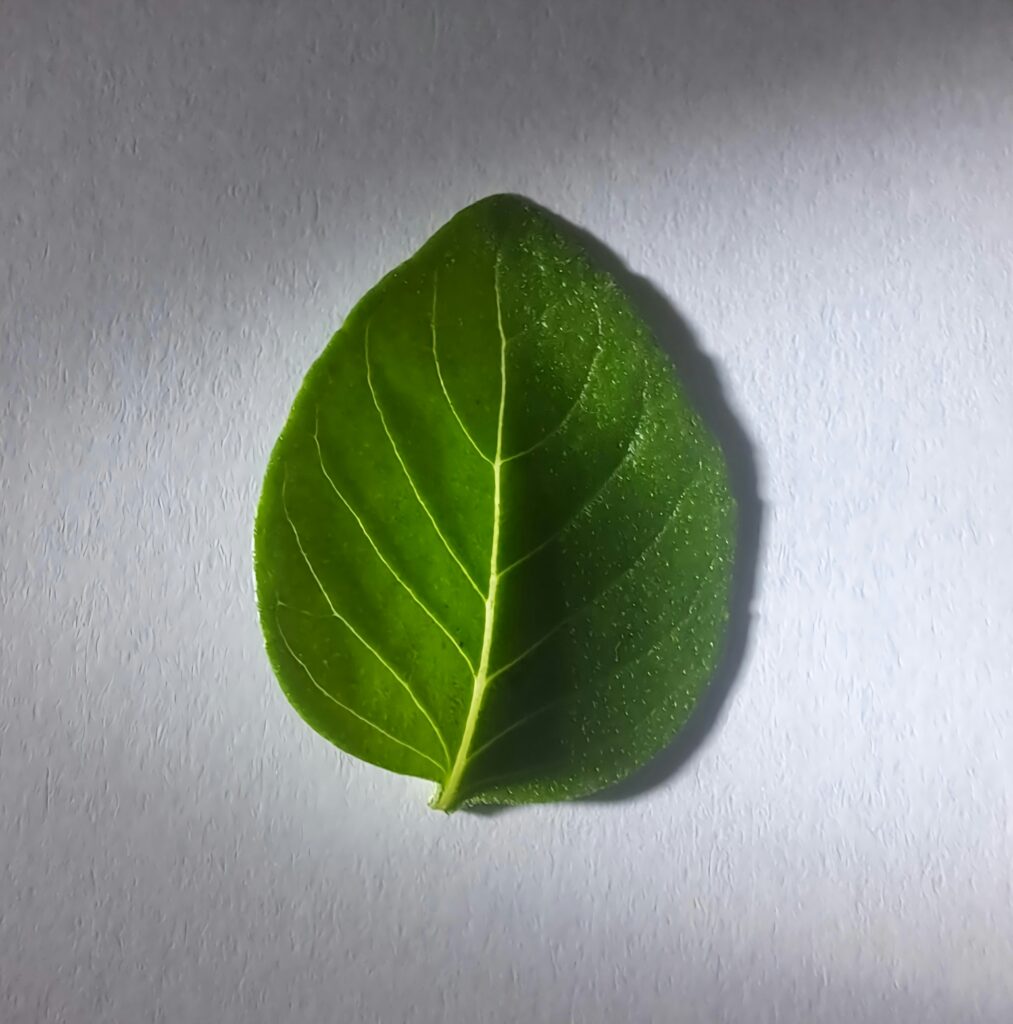
Growing basil indoors is one of my absolute favorite ways to keep fresh herbs on hand year-round. There’s nothing quite like snipping off a few fragrant leaves for your pasta sauce or morning omelet. Plus, basil plants are pretty forgiving, which makes them perfect for beginners.
I started growing basil inside about five years ago when I got tired of buying those expensive little packages at the grocery store that would wilt within days. Now I have a steady supply of fresh basil right on my kitchen windowsill, and you can too!
Getting Started with Growing Basil Indoors
The beauty of growing basil indoors is that you can start anytime. I usually begin with seeds because they’re cheap and you get way more plants, but seedlings from the garden center work great too. Sweet basil is the classic choice, but I’ve had amazing luck with Genovese and purple basil varieties as well.
You’ll want to choose a container that’s at least 6 inches deep with drainage holes. I learned this the hard way when my first basil plant died from soggy roots! A regular terracotta pot works perfectly, or you can use those cute herb planters if you want something more decorative.
For soil, grab a good quality potting mix from your local garden center. Don’t use garden soil indoors because it’s too heavy and doesn’t drain well in containers. I always add a handful of perlite to my potting mix to make sure the drainage is spot-on.
The key to successful indoor basil is finding the right spot in your home. These plants need at least 6 hours of bright light daily, so a south-facing window is ideal. If your windows don’t get enough light, don’t worry! I use a simple grow light for my winter herbs and they do fantastic.
Essential Care Tips for Indoor Basil Plants
You might also enjoy: Caring for Pothos Plants
Watering is where most people mess up when growing basil indoors, and I definitely made this mistake early on. The trick is to keep the soil consistently moist but never soggy. I stick my finger about an inch into the soil, and if it feels dry, it’s time to water.
During Florida’s humid summers, I water my indoor basil about every 2-3 days. In winter when the air is drier, they might need water daily. The plants will actually tell you when they’re thirsty because the leaves start to look a bit droopy.
Temperature is pretty straightforward since basil loves the same conditions we do. Keep your plants somewhere between 65-75°F, and they’ll be happy. Avoid placing them near heating vents or air conditioning units because the sudden temperature changes can stress them out.
Here’s something I wish someone had told me sooner: pinch off the flower buds as soon as you see them! When basil flowers, the leaves become bitter and the plant stops producing new growth. I pinch mine off every week or so, and it keeps the plants bushy and productive for months.
Harvesting and Maintaining Your Basil
The best part about growing basil indoors is harvesting those beautiful, aromatic leaves! You can start picking leaves once your plant has about 6-8 sets of leaves, which usually happens around 3-4 weeks after planting. Always harvest from the top, cutting just above a set of leaves.
I like to harvest in the morning when the oils in the leaves are most concentrated. Cut stems rather than individual leaves because this encourages the plant to branch out and become bushier. Each time you cut a stem, two new branches will grow from that spot!
Don’t be shy about harvesting regularly. The more you cut, the more your basil will produce. I harvest from my plants 2-3 times per week during peak growing season, and they just keep pumping out new growth.
For the biggest, most flavorful leaves, make sure you’re feeding your basil occasionally. I use a diluted liquid fertilizer about once a month, or you can use a slow-release granular fertilizer mixed into the soil when you plant. University extension services recommend keeping the fertilizer light because too much nitrogen makes the leaves less flavorful.
Troubleshooting Common Problems
Even though basil is pretty easy to grow, you might run into a few issues. The most common problem I see is yellowing leaves, which usually means you’re either overwatering or the plant needs more light. Move it closer to your brightest window or add a grow light if needed.
If your basil starts getting leggy and tall instead of bushy, it’s reaching for more light. This happened to my first indoor basil plant, and I learned to pinch the growing tips regularly to encourage branching. You can also move the plant closer to your light source.
Sometimes you might notice small holes in the leaves or tiny insects. Aphids occasionally show up on indoor herbs, but they’re easy to handle. I just spray the plant with water in the sink to knock them off, or use a bit of insecticidal soap if the problem persists.
Here in Florida, I’ve found that indoor basil sometimes struggles with our intense afternoon sun coming through windows. If your leaves look scorched or bleached, try moving the plant back from the window or using a sheer curtain to filter the light. Florida’s extension service has great advice for growing herbs in our challenging climate.
Growing basil indoors has completely changed how I cook. There’s something so satisfying about walking to your windowsill and snipping fresh herbs for dinner. The plants are beautiful, they smell amazing, and they’re incredibly productive.
Don’t be discouraged if your first attempt doesn’t go perfectly. I killed my fair share of basil plants before I figured out the right balance of water and light. With a little practice, you’ll be growing gorgeous, flavorful basil that puts store-bought herbs to shame!
