

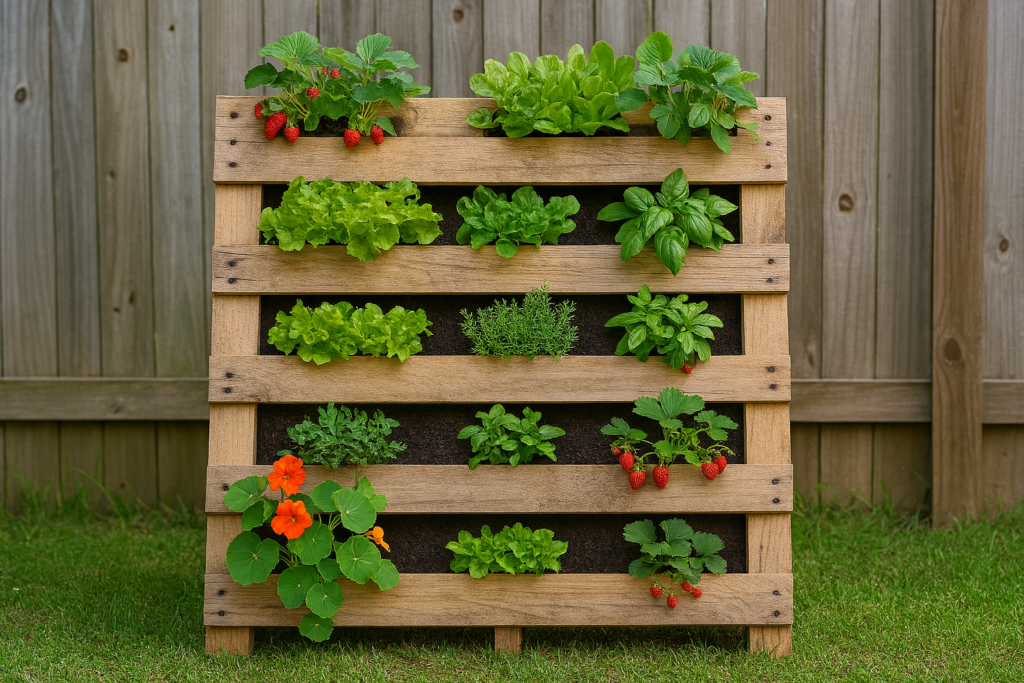
I absolutely love my DIY vertical pallet garden, and I think you’re going to fall in love with yours too! This space-saving solution lets you grow tons of plants in a tiny footprint, which is perfect whether you’re dealing with a small patio or just want to make the most of your yard space. Plus, there’s something so satisfying about turning an old shipping pallet into a thriving garden wall.
Vertical gardening has completely changed how I think about growing food and flowers. Instead of spreading out, we’re going up, and trust me, your plants will be just as happy (maybe even happier) than they would be in traditional garden beds. The best part is that you can move your pallet garden around to catch the perfect amount of sunlight throughout the day.
Getting Started With Your DIY Vertical Pallet Garden
The first step in creating your DIY vertical pallet garden is finding the right pallet. I always look for heat-treated pallets marked with “HT” rather than chemically treated ones marked “MB.” You can usually find these at garden centers, home improvement stores, or sometimes local businesses are happy to give them away. Make sure your pallet is in good condition without any broken or rotting boards.
You’ll also need landscape fabric or burlap, a staple gun, potting soil, and your plants or seeds. I prefer using landscape fabric because it holds up better to our Florida humidity and frequent afternoon showers. Don’t forget to grab some basic tools like a drill, screws, and maybe some L-brackets if you want extra stability.
Before you start planting, give your pallet a good cleaning and let it dry completely. I learned this the hard way when I planted in a damp pallet and ended up with some funky mold issues. Sand down any rough spots that might snag the fabric or hurt your hands during maintenance.
The key to success is choosing the right location for your vertical garden. You want somewhere that gets good airflow but isn’t constantly battered by strong winds. I position mine where it gets morning sun but some afternoon shade, especially during our brutal Florida summers.
Best Plants for Your Vertical Pallet Garden
You might also enjoy: DIY Garden Irrigation System (drip vs Sprinkler vs Soaker Hose)
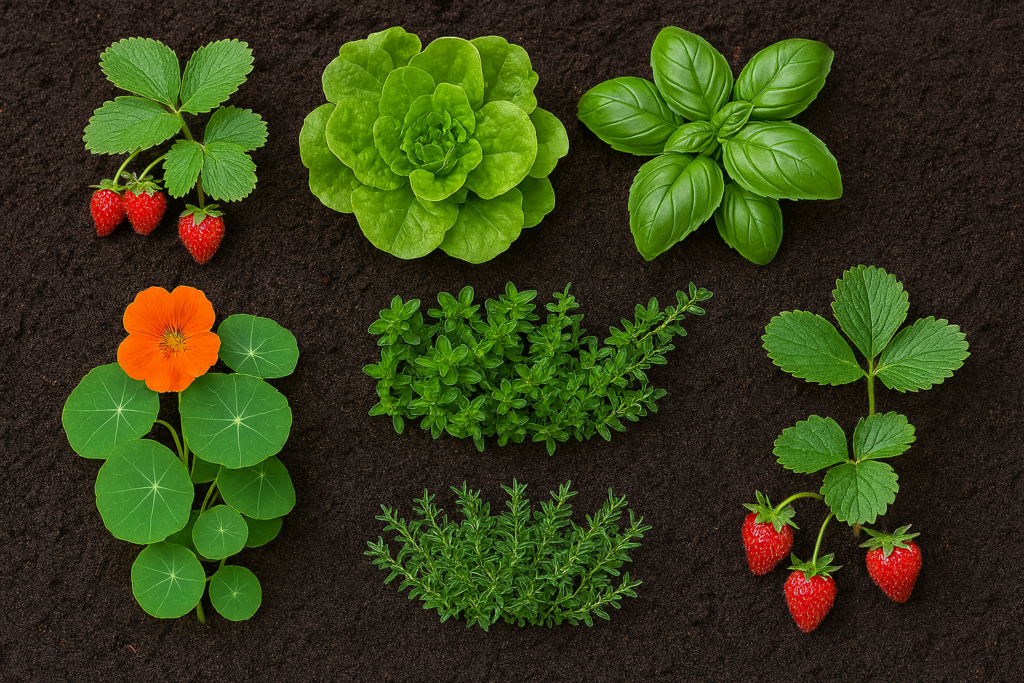
Choosing the right plants makes all the difference in your DIY vertical pallet garden success. I’ve had the best luck with shallow-rooted plants like lettuce, spinach, herbs, and strawberries. These plants don’t need deep soil, so they’re perfect for the limited space between pallet slats. Herbs like basil, oregano, and thyme absolutely thrive in vertical setups.
For Florida gardeners, I recommend focusing on heat-tolerant varieties during our long growing season. Cherry tomatoes work wonderfully if you choose compact varieties, and I’ve had amazing success with trailing plants like nasturtiums and sweet potato vines. These cascading plants create a beautiful waterfall effect as they grow.
Avoid plants with deep root systems or those that get really large. Corn, large tomato varieties, and root vegetables like carrots just won’t be happy in a pallet garden. Stick with plants that naturally grow in shallow soil or containers, and you’ll have much better results.
I always plant my tallest or most sun-loving plants at the top and work my way down to shade-tolerant plants at the bottom. This creates a natural layering effect and ensures every plant gets what it needs to thrive.
Planting and Maintaining Your Pallet Garden
Setting up your DIY vertical pallet garden is easier than you might think. Start by laying your pallet flat and stapling landscape fabric to the back and bottom, creating pockets for soil between each slat. I use a heavy-duty staple gun and put staples every few inches to make sure everything stays secure. Fill each pocket with high-quality potting mix, not garden soil, because it drains better and weighs less.
Plant your seedlings or direct sow seeds into each pocket, making sure not to overcrowd them. I usually space plants about 6 inches apart, but this depends on what you’re growing. Smaller herbs can be closer together, while larger plants like cherry tomatoes need more room to spread.
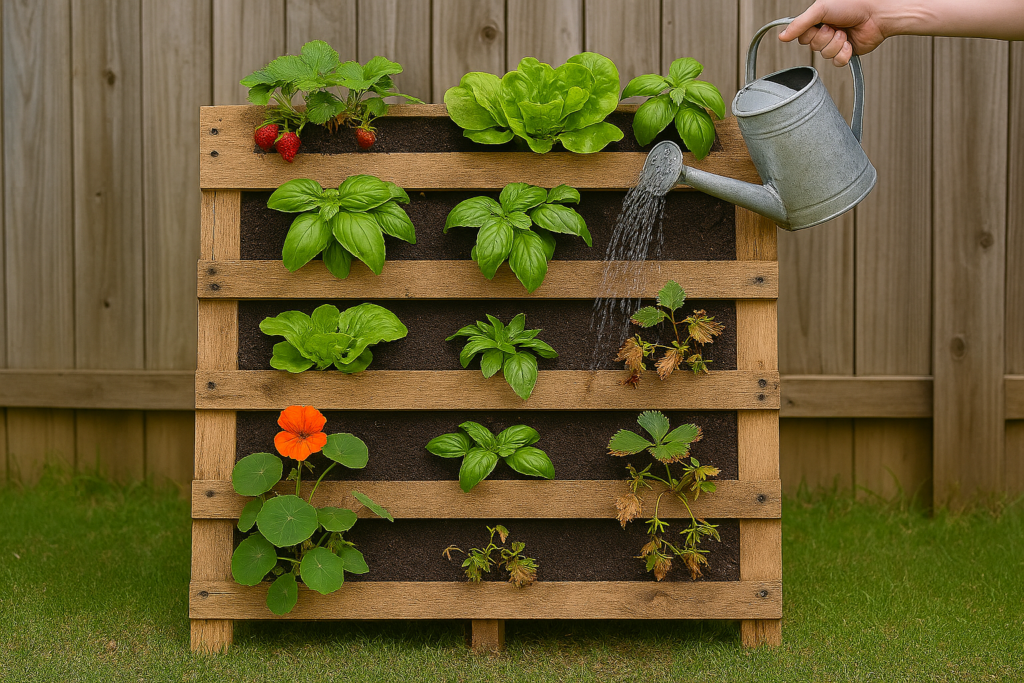
Watering a vertical garden takes a bit more attention than traditional beds. Water tends to run down from the top pockets to the bottom ones, so I water slowly and check each level to make sure everyone’s getting enough moisture. During Florida’s rainy season, I actually have to watch for overwatering more than underwatering.
Fertilizing is super important since nutrients can wash out more quickly in vertical setups. I use a diluted liquid fertilizer every two weeks, and I’ve found that organic options work best for edible plants. Keep an eye out for pests, especially in the lower pockets where moisture tends to collect.
Troubleshooting Common Problems
Even with the best planning, you might run into some challenges with your vertical garden. The most common issue I see is uneven watering, where the top plants get too much water and the bottom ones stay too dry. I solved this by installing a simple drip irrigation system using soaker hoses, but you can also just water more slowly and check each level.
Another problem is plants getting leggy or leaning toward the light. This happens when your pallet garden doesn’t get even light distribution. Try rotating your pallet occasionally, or consider adding a small grow light for the shadier spots. In Florida, our intense afternoon sun can actually be too much for some plants, so don’t be afraid to provide some shade during the hottest part of the day.
Soil settling is totally normal and happens as everything gets established. I keep extra potting mix on hand to top off the pockets as needed. Usually, this stabilizes after the first month or so. If you notice any fabric tearing or staples coming loose, fix them right away before you lose soil.
Pest management in vertical gardens is actually easier than traditional beds because you can inspect every plant easily. I’ve found that beneficial insects like ladybugs and lacewings love vertical gardens, probably because they create such interesting microclimates.
Creating your own DIY vertical pallet garden is one of the most rewarding projects you can tackle, especially if you’re working with limited space. I love how mine has become a living piece of art that also provides fresh herbs and vegetables for my kitchen. The vertical design makes maintenance so much easier on your back, and there’s something magical about watching plants cascade down in layers.
Don’t be discouraged if your first attempt isn’t perfect. I’ve been tweaking and improving my vertical pallet garden setup for years, and each season I learn something new. Start small, choose easy plants, and have fun with the process!
University extension guides can provide additional information about container gardening techniques. For more specific plant recommendations, check out resources from your local agricultural extension office, especially if you’re gardening in unique climates like we have here in Florida.
