

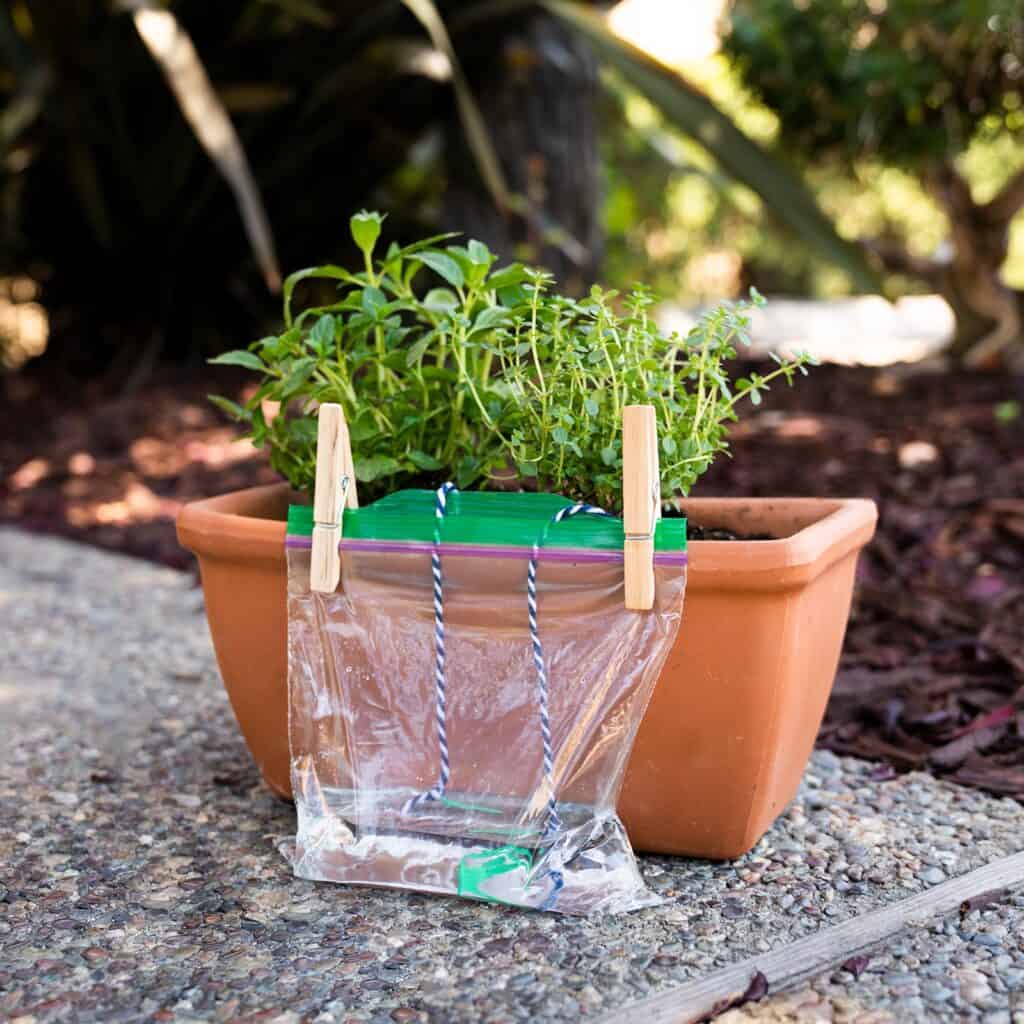
Building a DIY self-watering container planter changed my gardening game completely! I used to kill plants left and right because I’d either forget to water them or drown them with too much love. These clever containers solve both problems by giving your plants exactly the water they need, when they need it. Diy Self-watering Container Planter is a popular choice for gardeners.
The best part is how simple they are to make with basic supplies from any hardware store. I’ve been using these planters for three years now, and they work beautifully for everything from herbs to tomatoes. Here in Florida, where the heat can stress plants quickly, having consistent moisture makes all the difference.
How Self-Watering Container Planters Actually Work
The magic behind a DIY self-watering container planter is surprisingly simple. You create two chambers – a water reservoir at the bottom and a growing area above. A wicking system draws water up from the reservoir into the soil as the plants need it.
I was amazed when I first saw how well this works! The plants literally drink what they need and leave the rest. No more guessing about whether to water or not.
The key is the wick, which acts like a straw between the water and soil. As the soil dries out, it pulls moisture up through the wick automatically. This creates the perfect balance that most of us struggle to achieve with regular watering.
In Florida’s intense summer heat, I’ve watched my regular containers dry out in a day while my self-watering planters stayed perfectly moist for a week. It’s like having a personal plant sitter that never takes a vacation!
Materials and Tools for Your DIY Self-Watering Planter
For more gardening tips, check out: DIY Vertical Pallet Garden: Transform Your Small Space Into a Growing Paradise
You don’t need fancy equipment to build a self-watering container planter. I use two plastic containers – one slightly smaller than the other so it nests inside. Food storage containers work great, or you can repurpose yogurt containers for smaller plants.
For the wick, I love using cotton rope or strips of old cotton t-shirts. The cotton absorbs water beautifully and lasts for years. Some people use synthetic materials, but I’ve had better luck with natural fibers.
You’ll also need a drill with a small bit to make drainage holes and one larger hole for the wick. Don’t forget potting soil and your plants or seeds! I always keep extra containers on hand because once you make one, you’ll want to make ten more.
The whole project costs less than $10 per planter, which is way cheaper than buying commercial self-watering containers. Plus, you can customize the size for exactly what you want to grow.
Step-by-Step Guide to Building Your Self-Watering System
Start by drilling a hole in the bottom center of your smaller container, just big enough for your wick to pass through snugly. I learned the hard way that too big a hole lets water leak out instead of wicking up properly.
Thread your cotton wick through the hole, leaving about 6 inches hanging down into the water reservoir. The wick should coil in the bottom of the larger container so it stays submerged even when water levels drop.
Drill several small drainage holes around the sides of the inner container, about 2 inches from the bottom. These prevent the soil from getting waterlogged if you accidentally overfill the reservoir. Trust me, this safety feature has saved my plants more than once!
Fill the space around the inner container with water, then add your potting soil and plants to the top section. I like to water the soil from the top initially to help establish the wicking action. After that first watering, you’ll only need to refill the reservoir every week or two.
Perfect Plants and Maintenance Tips for Success
Herbs absolutely love self-watering containers! I grow basil, parsley, and cilantro in mine year-round. The consistent moisture keeps the leaves tender and flavorful, and I never have to worry about them wilting in Florida’s afternoon heat.
Tomatoes and peppers also thrive in these systems. The steady water supply prevents blossom end rot, which happens when moisture levels fluctuate too much. I’ve grown cherry tomatoes that produced for months in the same self-watering planter.
Check your water reservoir weekly by lifting the inner container slightly or using a dipstick. When it’s about half empty, it’s time to refill. I add a diluted liquid fertilizer to the water once a month to keep my plants happy and healthy.
The only plants I avoid are those that prefer to dry out between waterings, like succulents or lavender. These systems work best for plants that like consistent moisture. University of Florida Extension has great guides on which vegetables work well in container systems.
Don’t be discouraged if your first attempt isn’t perfect! I’ve tweaked my design over the years and learned something new with each planter I build. The beauty of DIY is that you can adjust and improve as you go.
Start with one small planter and see how you like it. I guarantee you’ll be hooked once you see how much easier it makes growing healthy plants. Your future self will thank you when you’re enjoying fresh herbs while your neighbors are struggling with dried-out containers!
