

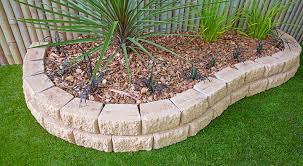
Creating a DIY brick garden edging border is one of my favorite weekend projects that instantly transforms any garden space. I’ve been using brick edging in my Florida garden for years, and it’s amazing how much structure and polish it adds to flower beds and pathways. The best part is that once you install it properly, brick edging lasts for decades with minimal maintenance. Diy Brick Garden Edging Border is a popular choice for gardeners.
Brick edging works beautifully in our Florida climate because it handles our intense summer heat and heavy rains without warping or rotting like wood alternatives. I love how the warm terracotta tones complement both tropical plants and traditional Southern garden favorites like azaleas and camellias.
Planning Your DIY Brick Garden Edging Border Layout
Before you start digging, I always recommend mapping out your brick border with a garden hose or spray paint. This gives you a chance to see how the curves and lines will look from different angles in your yard. I learned this trick the hard way after installing a perfectly straight border that looked way too rigid next to my flowing flower beds.
Measure the total length you want to edge so you can calculate how many bricks you’ll need. Standard bricks are about 8 inches long, so you’ll need roughly 18 bricks per 12 feet of border. I always buy 10-15% extra because some bricks might crack during installation, and it’s nice to have spares for future repairs.
Consider the height you want your edging to be. I typically install mine with about 2-3 inches showing above ground, which creates a nice visual barrier without overwhelming smaller plants. For vegetable gardens or areas where you need more root containment, you might want 4-5 inches above ground.
Think about drainage too, especially here in Florida where we get those afternoon downpours. Your brick edging should follow the natural slope of your yard to help water flow away from plant roots rather than pooling up against the border.
Essential Materials for Brick Garden Edging Installation
Related article: Raised Bed Gardening Basics
You’ll need standard clay bricks, which I prefer over concrete pavers because they have that classic look and weather beautifully over time. I usually find the best deals at local masonry suppliers rather than big box stores. Make sure to choose bricks that are rated for outdoor use and can handle freeze-thaw cycles, even though we don’t get much freezing here in Florida.
A flat-edged spade is absolutely essential for creating clean, straight cuts in your lawn or soil. I also use a rubber mallet instead of a regular hammer because it won’t chip or crack the bricks when you’re setting them in place. Trust me, I’ve learned this lesson the expensive way!
You’ll want a level to ensure your edging stays straight and even. A 2-foot level works great for most residential projects. I also keep a measuring tape handy to maintain consistent spacing and height as I work my way around the border.
Don’t forget landscape fabric if you’re planning to add mulch inside your bordered area. This helps prevent weeds from growing up through your brick joints and keeps everything looking neat and tidy.
Step-by-Step DIY Brick Edging Border Installation
Start by digging a trench along your marked line that’s about 4-6 inches deep and slightly wider than your brick. I like to make the trench a bit deeper than I think I need because it’s easier to add soil back than to dig more later. The bottom of your trench should be level and firmly packed.
Set your first brick at one end and use your level to make sure it’s sitting straight. I always start at the most visible corner or entrance point because that’s where any slight imperfections will be most noticeable. Tap the brick gently with your rubber mallet to settle it into place.
Continue placing bricks end-to-end along your trench line. Each brick should sit snugly against the next one with minimal gaps. If you encounter curves, you might need to angle the bricks slightly, which creates small wedge-shaped gaps that you can fill with soil later.
Backfill around each brick as you go, packing the soil firmly against both sides. This is what keeps your edging stable over time, so don’t rush this step. I use my hands to pack the soil initially, then water it lightly to help everything settle into place.
Maintaining Your Brick Garden Border Through the Seasons
One of the things I love most about brick edging is how low-maintenance it is compared to other border materials. In Florida’s climate, I do a quick inspection twice a year, usually in spring and fall, to check for any bricks that might have shifted during our rainy season.
If you notice any bricks that have sunk or tilted, it’s usually because the soil underneath has washed away or settled. Simply lift the brick, add more soil or sand underneath, and reset it to the proper level. This five-minute fix prevents bigger problems down the road.
Weeds occasionally try to grow in the joints between bricks, but they’re easy to pull when they’re small. I sometimes use a narrow weeding tool to scrape out any grass or weeds that try to establish themselves in these gaps. A light application of mulch on both sides of the border also helps suppress weed growth.
During our intense summer heat, the bricks actually help protect plant roots by providing some shade to the soil. I’ve noticed that plants right next to my brick borders often stay healthier during dry spells because the bricks reduce soil temperature and slow moisture evaporation.
Your DIY brick garden edging border will look better and better as it ages and weathers naturally. I love how mine has developed a subtle patina over the years that perfectly complements my established plantings. With proper installation, you’ll enjoy your beautiful brick borders for many years to come, and they’ll add lasting value and structure to your garden space.
The satisfaction of completing this project yourself is incredible, and every time you walk past your neatly defined garden beds, you’ll feel proud of the work you’ve accomplished. University extension services often have additional tips for landscape edging that can help you customize this basic technique for your specific garden needs.
