

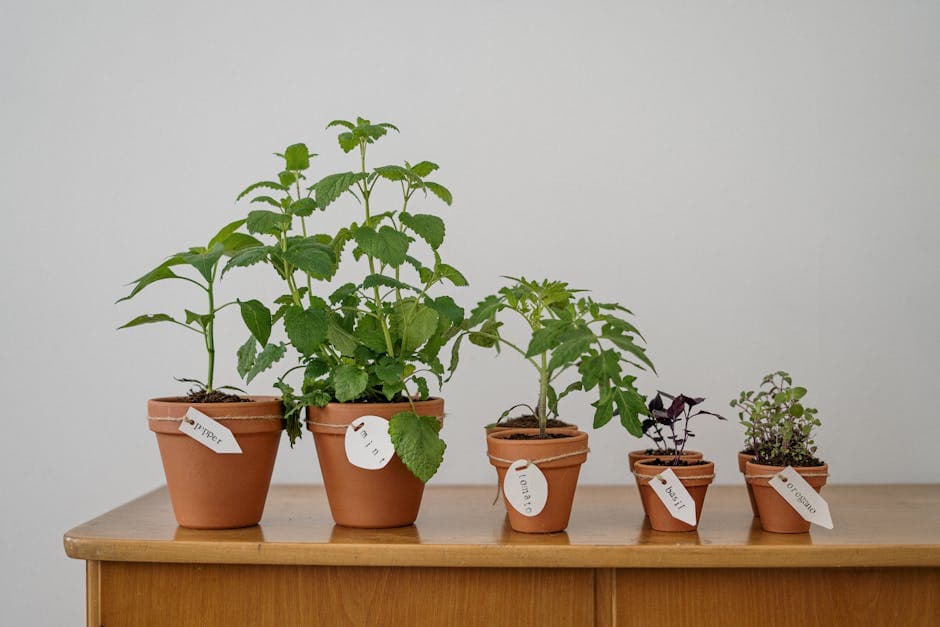
Growing companion plants for tomatoes has completely transformed my garden success over the years. I used to struggle with pest problems and disappointing harvests until I learned which plants work together like best friends. The right companions can boost your tomato plants’ health, improve flavor, and naturally keep harmful insects away. “companion Plants for Tomatoes” is a popular choice for gardeners.
Here in Florida, our long growing season gives us amazing opportunities to experiment with different plant combinations. I’ve tried dozens of companion plants over the years, and some have become absolute must-haves in my tomato beds. Trust me, once you see how much better your tomatoes grow with the right neighbors, you’ll never plant them alone again!
The Best Companion Plants for Tomatoes
Basil tops my list of favorite tomato companions, and I plant it everywhere around my tomato beds. Not only does it repel aphids, whiteflies, and hornworms, but it actually improves the flavor of your tomatoes when grown nearby. I love having fresh basil right there for caprese salads made with my homegrown tomatoes!
Marigolds are another powerhouse companion that I swear by for pest control. These bright flowers release compounds that keep nematodes, aphids, and other harmful insects away from your tomatoes. I plant French marigolds around the edges of my tomato beds, and they bloom all season long here in Florida’s heat. Plus, they add such cheerful color to the garden!
Nasturtiums work as living pest traps that I scatter throughout my tomato area. They attract aphids away from tomatoes and also bring beneficial insects like ladybugs to your garden. The flowers are edible too, so I toss them in salads for a peppery kick. They handle Florida’s humidity really well and keep blooming even in our hottest months.
Carrots make excellent ground-level companions because their roots don’t compete with tomatoes for space or nutrients. I plant them between my tomato rows, and they help break up the soil while the tomatoes provide some shade during our intense summer afternoons. It’s like getting two crops in the same space!
Herbs That Help Your Tomato Companion Plants Thrive
Related article: Chaos Gardening Explained
Oregano is one of my go-to herbs for companion planting because it repels many of the same pests that bother tomatoes. I let it spread as a living mulch around my plants, and it stays green year-round here in Florida. The fresh oregano is perfect for homemade pizza sauce using my garden tomatoes.
Parsley attracts beneficial insects like hoverflies and parasitic wasps that eat tomato pests. I plant flat-leaf parsley around my tomato beds because it handles our heat better than the curly variety. It also doesn’t compete much with tomatoes for nutrients, making it an ideal neighbor.
Chives help keep aphids and other soft-bodied insects away from tomatoes with their onion-like scent. I plant them in small clumps around my garden, and they come back every year without any fuss. The purple flowers are beautiful and attract pollinators, plus I use the leaves in cooking all the time.
Thyme is another Mediterranean herb that thrives in Florida’s climate and helps protect tomatoes from pests. I plant it along the edges of my beds where it can spill over and create a fragrant border. It’s drought-tolerant once established, which is perfect for our unpredictable rainfall patterns.
Flowers and Vegetables as Tomato Companion Plants
Peppers make natural companions for tomatoes since they’re in the same plant family and have similar growing needs. I plant sweet peppers and hot peppers right alongside my tomatoes, and they all thrive in the same conditions. They don’t compete for nutrients and actually help each other by attracting different beneficial insects.
Lettuce works wonderfully as a cool-season companion that I plant around my fall and winter tomato crops. The lettuce benefits from the light shade that tomato plants provide, and it’s harvested before the tomatoes need all the space. This combination works especially well here in Florida where we can grow tomatoes through winter.
Borage is a fantastic flowering companion that I discovered a few years ago, and now I always include it in my tomato beds. The star-shaped blue flowers attract pollinators and beneficial insects, while the plant itself may help improve tomato growth and flavor. University extension research shows borage can enhance the growth of nearby plants.
Calendula flowers provide pest control and attract beneficial insects while adding gorgeous orange and yellow blooms to your tomato area. I love how they self-seed and come back every year, creating a natural pest management system. The petals are edible too, so I use them to brighten up salads alongside my homegrown tomatoes.
Plants to Avoid Near Your Tomatoes
Some plants just don’t play well with tomatoes, and I’ve learned this through trial and error over the years. Fennel is one plant I keep far away from my tomato beds because it can inhibit tomato growth and attract pests that damage the fruit. I learned this lesson the hard way when my tomatoes struggled one season!
Black walnut trees create problems for tomatoes because they release a chemical called juglone that’s toxic to many plants including tomatoes. If you have these trees in your yard, plant your tomatoes at least 50 feet away to avoid issues. I’ve seen gardeners lose entire crops because they didn’t know about this incompatibility.
Brassicas like cabbage, broccoli, and cauliflower can compete with tomatoes for nutrients and may attract pests that also bother tomatoes. While they won’t kill your tomatoes, I’ve found they don’t help each other grow better either. I keep these crops in separate areas of my garden for the best results.
Traditional companion planting wisdom suggests avoiding planting tomatoes near corn because they can share similar pests like hornworms. I’ve found this to be true in my Florida garden, so I keep these crops separated by at least 20 feet.
Growing companion plants for tomatoes has made such a difference in my garden’s productivity and health. The natural pest control, improved soil, and better flavors are worth the small effort of planning your plant combinations. Start with just a few companions like basil and marigolds, then experiment with others as you gain confidence.
Don’t worry if your first attempts aren’t perfect – I’m still learning new combinations after years of gardening! The key is observing how your plants respond and adjusting your approach each season. Your tomatoes will thank you with bigger, healthier harvests when you give them the right plant neighbors.
