

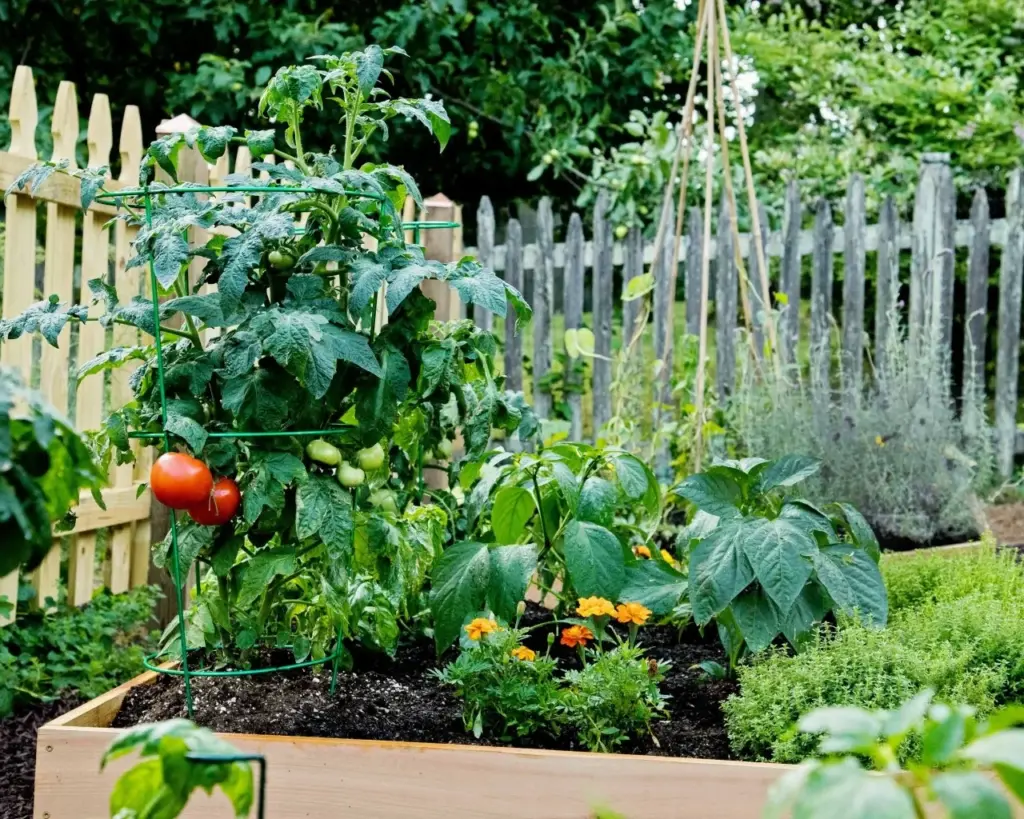
Companion plants for tomatoes can transform your garden from good to absolutely amazing! I’ve been growing tomatoes here in Florida for over a decade, and I can tell you that choosing the right plant neighbors makes all the difference. When you pair tomatoes with the right companions, you’ll see better growth, fewer pest problems, and bigger harvests.
The magic happens because different plants support each other in unique ways. Some companions repel harmful insects, while others attract beneficial pollinators or improve soil health. It’s like creating a little ecosystem where every plant has a job to do!
Best Companion Plants for Tomatoes That Really Work
Let me share my absolute favorite companion plants for tomatoes that I’ve tested in my own garden. Basil tops my list because it’s not only delicious but also helps repel aphids, whiteflies, and hornworms. I always plant sweet basil right next to my tomato plants, and the aroma seems to confuse pests while attracting beneficial insects.
Marigolds are another powerhouse companion that I swear by. These cheerful flowers release compounds that naturally deter nematodes, those tiny soil worms that can damage tomato roots. I plant them in a border around my tomato bed, and they bloom all season long while doing their pest-fighting work.
Nasturtiums work as a trap crop, meaning they attract aphids and other pests away from your tomatoes. I learned this trick from an old-timer gardener, and it’s brilliant! The pests go for the nasturtiums first, leaving your tomatoes alone. Plus, the flowers are edible and add a peppery kick to salads.
Carrots make excellent companions because they don’t compete for the same soil space as tomatoes. While tomatoes grow tall and need surface nutrients, carrots grow deep and actually help break up compacted soil. I tuck carrot seeds around the base of my tomato plants, and both crops thrive together.
Companion Plants for Tomatoes That Improve Soil and Growth
You might also enjoy: How to Grow Basil Indoors
Some of the best companions work underground to benefit your tomatoes. Legumes like bush beans and peas are fantastic because they fix nitrogen in the soil, which tomatoes absolutely love. I plant bush beans between my tomato rows, and the extra nitrogen keeps my tomato plants green and productive all season.
Chives and other alliums deserve a special mention for their pest-repelling properties. University extension research shows that chives can help deter aphids and other soft-bodied insects. I keep potted chives scattered throughout my tomato patch, and they’re always ready for harvest when I need fresh herbs for cooking.
Lettuce works beautifully as a living mulch around tomato plants. The broad leaves shade the soil, keeping it cool and moist during our hot Florida summers. I plant buttercrunch lettuce at the base of my tomato cages, and it provides fresh salads while protecting the tomato roots from heat stress.
Borage is an underrated companion that attracts pollinators and beneficial insects like ladybugs and lacewings. These good bugs help control pest populations naturally. The blue flowers are gorgeous, and the leaves taste like cucumber when young.
Plants to Avoid Near Your Tomatoes
Not every plant makes a good neighbor for tomatoes, and I learned some of these lessons the hard way! Fennel is probably the worst companion you could choose because it releases chemicals that inhibit the growth of most other plants, including tomatoes. I made this mistake once and watched my tomato plants struggle for weeks before I figured out the problem.
Black walnut trees are another no-go if you have them in your yard. They produce a compound called juglone that’s toxic to tomatoes and many other plants. Keep your tomato garden at least 30 feet away from any black walnut trees to avoid stunted growth and yellowing leaves.
Brassicas like cabbage, broccoli, and cauliflower compete heavily with tomatoes for nutrients and can stunt their growth. I learned this when I tried to squeeze too many different vegetables into a small space. Now I keep these crops in separate areas of my garden where they can’t interfere with each other.
Corn might seem like a good tall companion, but it actually attracts the same pests that love tomatoes, especially hornworms. If you grow both, you’re basically creating a pest paradise! I keep my corn patch on the opposite side of my garden from my tomatoes now.
Tips for Successful Companion Planting
Timing is everything when it comes to companion planting with tomatoes. I start my basil and marigold seeds indoors at the same time as my tomato seeds, so they’re all ready to transplant together. This gives the companions time to establish their pest-repelling properties before problems start.
Spacing matters more than you might think. I used to crowd my plants together, thinking more was better, but that just created competition and poor air circulation. Now I give each tomato plant about 3 feet of space and tuck companions around the edges where they won’t interfere with growth.
Florida’s growing conditions require some adjustments to traditional companion planting advice. Our intense heat and humidity mean that some companions that work great up north might struggle here. I’ve found that heat-tolerant varieties of basil and marigolds work best in our climate.
Succession planting keeps the benefits going all season long. I plant new basil every few weeks and replace lettuce as it bolts in the heat. This ensures I always have active companions working to protect and support my tomatoes throughout the growing season.
Companion plants for tomatoes have completely changed how I garden, and I know they’ll work for you too! The key is starting with a few proven combinations and expanding as you gain experience. Don’t try to plant everything at once – pick two or three companions that appeal to you and see how they perform in your garden.
Remember that gardening is all about experimenting and learning what works in your specific conditions. What thrives in my Florida garden might need tweaking for your location, so keep notes and adjust as needed!
