

Finding the best low-light houseplants can feel overwhelming when you’re staring at those dim corners of your home. I totally get it because I spent years thinking nothing would grow in my darker rooms here in Florida. But here’s the exciting news: there are tons of gorgeous plants that actually prefer less light and will thrive in those spots you thought were hopeless. Best Low-light Houseplants is a popular choice for gardeners.
Low-light doesn’t mean no-light, though. We’re talking about areas that get some indirect sunlight during the day, like a spot several feet from a window or a room with north-facing windows. These plants have adapted to forest floors in nature, so they’re perfectly happy without that blazing Florida sun we get outside.
Snake Plants: The Ultimate Low-Light Houseplant Champions
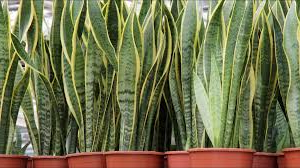
Snake plants are hands down my favorite recommendation for anyone starting with low-light houseplants. These tough beauties can survive in almost any lighting condition, including those super dim corners that kill other plants. I have one in my hallway that gets maybe an hour of indirect light per day, and it’s been thriving for three years.
The thick, upright leaves store water like little reservoirs, which means you can forget to water them for weeks without any drama. In fact, I water mine maybe once a month during our humid Florida summers and even less in winter. The key is letting the soil dry out completely between waterings because soggy soil is the only thing that’ll kill these tough plants.
What I love most about snake plants is how they clean the air while looking absolutely stunning. The green and yellow striped leaves add such a modern touch to any room. Plus, they’re one of the few plants that release oxygen at night, making them perfect for bedrooms.
You can find snake plants at pretty much any garden center, and they come in different varieties. The tall ones make great floor plants, while the shorter bird’s nest varieties work perfectly on shelves or desks.
Pothos: Your Best Low-Light Houseplant for Trailing Beauty
Also read: Caring for Pothos Plants
If you want something that cascades beautifully from a shelf or hanging basket, pothos is your answer. These trailing vines are practically indestructible and grow like crazy even in low light conditions. I started with one small pothos cutting from a friend, and now I have plants all over my house because they’re so easy to propagate.
The heart-shaped leaves come in different colors and patterns depending on the variety. Golden pothos has gorgeous yellow variegation, while marble queen shows off creamy white splashes. In lower light, the variegation might fade a bit, but the plants stay healthy and keep growing.
University extension research shows that pothos can tolerate very low light levels while still maintaining good growth rates. I’ve seen them thrive in bathrooms with just a small frosted window and in office cubicles under fluorescent lights.
The best part about pothos is how forgiving they are with watering. They’ll droop dramatically when thirsty, giving you a clear signal it’s time to water. Then they perk right back up within hours of getting a drink.
ZZ Plants and Other Top Performers Among Low-Light Houseplants
ZZ plants deserve a special mention because they’re nearly impossible to kill. The glossy, dark green leaves look almost artificial they’re so perfect, but they’re 100% real and incredibly low-maintenance. These plants can go weeks without water and still look amazing in very dim conditions.
I keep my ZZ plant in a corner of my living room that gets indirect light for maybe half the day. It’s been there for two years and has grown steadily without any fuss. The thick stems and waxy leaves store water efficiently, making them perfect for busy people or frequent travelers.
Philodendrons are another fantastic choice that closely resembles pothos but with slightly different leaf shapes. The heartleaf philodendron trails beautifully and tolerates low light just as well as pothos. I have both growing in my kitchen, and honestly, most people can’t tell them apart.
Peace lilies bring something special to the low-light plant world because they actually bloom indoors. The white flowers appear several times a year, even in dim conditions. They do like slightly more water than the other plants I’ve mentioned, but they’ll tell you when they’re thirsty by drooping their leaves dramatically.
Caring for Your Low-Light Plant Collection
The biggest mistake I see people make with low-light plants is overwatering them. When plants aren’t getting tons of bright light, they use water much more slowly, so that soil stays moist longer. I learned this the hard way when I killed my first few plants by being too generous with the watering can.
Here in Florida’s humidity, I water most of my low-light plants every 10-14 days during summer and sometimes stretch it to three weeks in winter. The finger test works perfectly: stick your finger about two inches into the soil, and if it feels dry, it’s time to water. If it’s still moist, wait a few more days.
Fertilizing is much simpler than people think. During the growing season (spring and summer), I give my plants a diluted liquid fertilizer once a month. In fall and winter, I skip fertilizing entirely because the plants are basically taking a nap and don’t need extra nutrients.
USDA studies show that many of these low-light plants also improve indoor air quality, which is an amazing bonus. It’s like getting a natural air purifier that also makes your home look more inviting.
Don’t stress about finding the perfect pot or potting mix either. Most of these plants are happy in regular potting soil with decent drainage. I use whatever’s on sale at my local garden center, and my plants do just fine.
Growing the best low-light houseplants has completely changed how I think about indoor gardening. These resilient beauties prove that you don’t need a sun-drenched solarium to have a thriving indoor garden.
Start with one or two of these easy plants and watch how they transform your space. You’ll be amazed at how much life and color they add to those previously empty corners!
