

April weather can be absolutely crazy, can’t it? One day it’s gorgeous and sunny, the next we’re getting pounded with rain or dealing with an unexpected cold snap. That’s exactly why I’m so excited to share these 5 hardy April vegetables you can plant now – they’ll survive downpours, drought, and even a false spring! These tough little champions have saved my garden more times than I can count. 5 Hardy April Vegetables You Can Plant Now – They’ll Survive Downpours, Drought, and Even a False Spring is a popular choice for gardeners.
I learned the hard way that not all vegetables can handle April’s mood swings. After losing several tender crops to surprise weather events, I started focusing on these resilient varieties. They’re perfect for gardeners who want a reliable harvest without constantly worrying about the forecast.
Swiss Chard: The Colorful Champion That Handles Hardy April Conditions
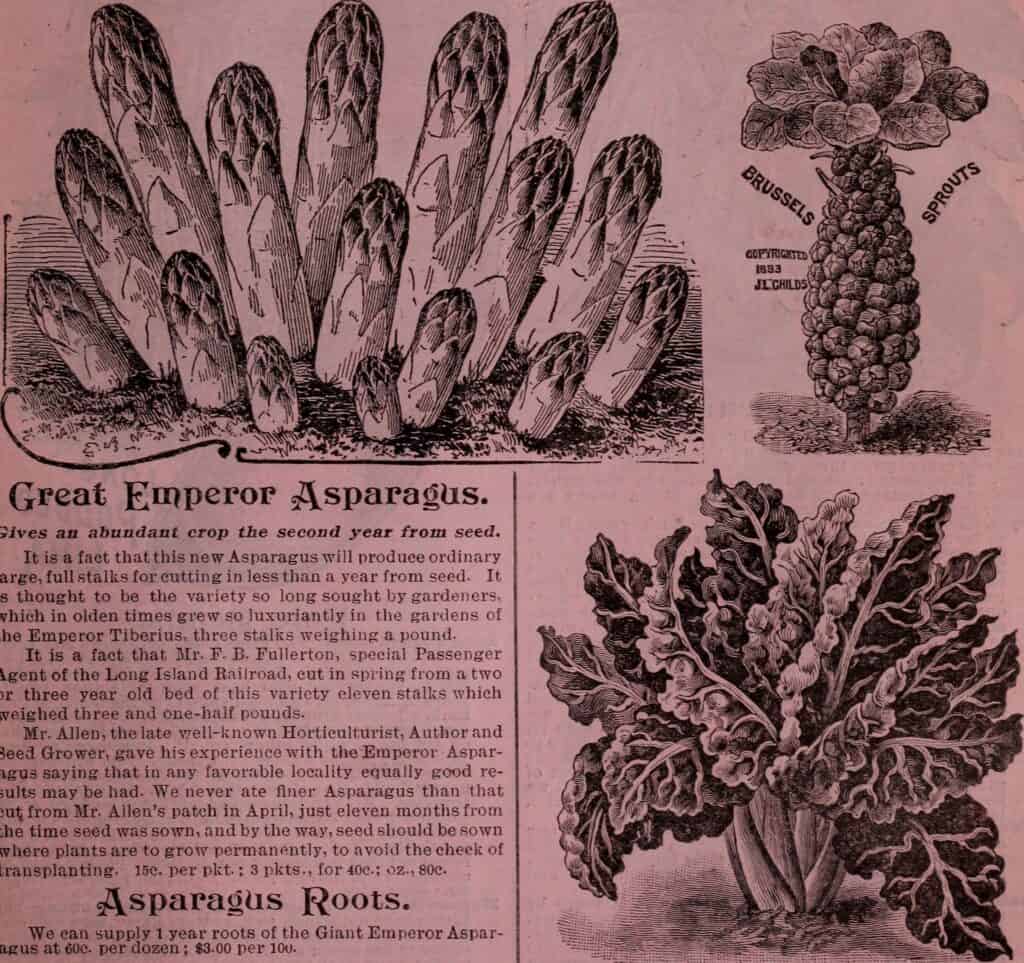
Swiss chard has become my absolute favorite for unpredictable spring weather. This gorgeous leafy green comes in rainbow colors – bright red stems, golden yellow, deep purple – and it’s practically bulletproof. I’ve watched it bounce back from hailstorms that destroyed my tender lettuce and keep growing through week-long droughts.
The best part about chard is how forgiving it is with planting. You can direct sow seeds right in the garden, or start with transplants if you want a head start. I usually plant mine in early April here in Florida, and it thrives in our zone 9 conditions. The plants prefer full sun but will tolerate partial shade, especially during our hot summers.
One thing I love about chard is how it handles water extremes. During our typical April downpours, the plants just keep growing without getting waterlogged or developing root rot like some vegetables do. When we hit those dry spells that seem to come out of nowhere, chard’s deep roots help it stay happy with less frequent watering.
For care, I plant seeds about half an inch deep and thin seedlings to 6 inches apart once they’re established. The outer leaves can be harvested continuously while the center keeps producing new growth. I’ve had single plants produce for months, even through Florida’s intense summer heat.
Radishes: Quick-Growing Hardy April Vegetables for Instant Gratification
For more gardening tips, check out: How to Get Rid of Aphids on Tomato Plants Naturally
If you want proof that these hardy April vegetables you can plant now really work, try radishes! These little powerhouses go from seed to harvest in just 3-4 weeks, so you’ll see results fast even if the weather tries to mess with your plans. I plant them every two weeks for a continuous harvest throughout spring.
Radishes are incredibly cold-tolerant, which makes them perfect for those surprise late-season cold snaps. I’ve seen them handle temperatures down to the mid-20s without missing a beat. They actually prefer cooler weather, so April’s variable temperatures are right in their sweet spot.
The secret to great radishes is consistent moisture, but they’re surprisingly drought-tolerant once established. During dry spells, I water them deeply once or twice a week rather than light daily watering. This encourages strong root development and prevents the radishes from getting woody or overly spicy.
I plant radish seeds directly in the garden about half an inch deep and one inch apart. They don’t like to be transplanted, so direct seeding is the way to go. University extension programs recommend planting them in loose, well-draining soil for the best root development. In Florida, I can plant radishes from February through April and again in fall.
Kale: The Superfood That Survives Downpours and Drought
Kale has earned its reputation as a superfood, but I think it deserves recognition as a super-tough vegetable too! This hardy green laughs at April weather challenges and actually gets sweeter after a light frost. I’ve grown it successfully through everything from flooding rains to extended dry periods.
The key to kale’s resilience is its robust root system and waxy leaves that help it conserve moisture. During heavy downpours, the plants drain well and don’t develop the fungal issues that plague more delicate greens. When drought hits, kale’s deep roots tap into soil moisture that other vegetables can’t reach.
I start kale from transplants in early April, spacing them about 12-18 inches apart. They need good air circulation to prevent disease, especially during humid Florida springs. The plants prefer full sun but will tolerate some afternoon shade, which actually helps during our transition into summer heat.
For the best harvest, I pick outer leaves when they’re young and tender, leaving the center to keep producing. Kale plants can produce for months with this method. Even if a plant gets stressed from weather extremes, it usually bounces back quickly once conditions improve.
Growing Tips for Success with Weather-Resistant Vegetables
The secret to success with hardy vegetables isn’t just choosing the right varieties – it’s also about timing and soil preparation. I’ve learned that planting these tough crops in early to mid-April gives them time to establish strong root systems before summer heat arrives. This makes them even more resilient to weather extremes.
Soil preparation makes a huge difference in how well these vegetables handle stress. I always work compost into my planting beds because it improves drainage during heavy rains while helping retain moisture during dry spells. Florida extension services recommend adding organic matter to improve soil structure and water-holding capacity.
Mulching is another game-changer for weather resilience. I use a 2-3 inch layer of organic mulch around my plants to regulate soil temperature and moisture. During April’s temperature swings, mulch keeps roots comfortable and reduces stress on the plants.
Don’t forget about succession planting! I plant small amounts of these hardy vegetables every 2-3 weeks through April and May. This ensures a continuous harvest and gives me backup crops if unexpected weather damages one planting. It’s like having insurance for your garden.
These hardy April vegetables you can plant now have transformed my spring gardening from a stressful gamble into a reliable source of fresh produce. They’ve taught me that working with nature instead of fighting it leads to much better results.
Start with just one or two of these tough varieties if you’re new to gardening. You’ll be amazed at how well they handle whatever April weather throws at them, and you’ll gain confidence for trying more challenging crops later in the season!
