

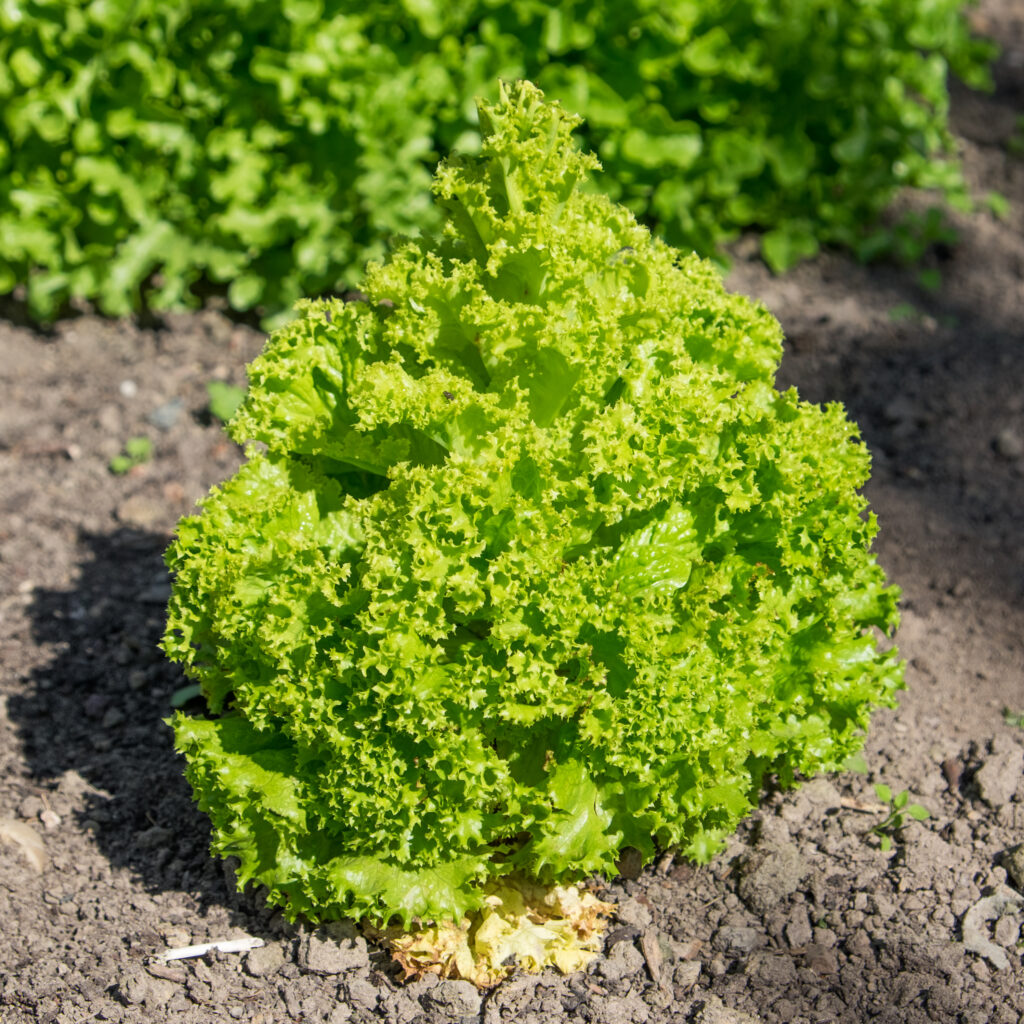
Learning how to grow lettuce is one of the best ways to start your gardening journey! I absolutely love growing lettuce because it’s fast, forgiving, and gives you fresh salads right from your backyard. Plus, there’s nothing quite like the taste of homegrown lettuce compared to that wilted stuff from the grocery store. How to Grow Lettuce is a popular choice for gardeners.
Lettuce is perfect for beginners because it grows quickly and doesn’t need much space. You can grow it in containers, raised beds, or even in small garden patches. Here in Florida, I grow lettuce almost year-round, which means fresh salads whenever I want them!
Getting Started: How to Grow Lettuce from Seed
I always start my lettuce from seeds because it’s so much cheaper than buying transplants. You can direct sow seeds right in your garden or start them indoors first. I prefer direct sowing because lettuce doesn’t like having its roots disturbed too much.
Plant your lettuce seeds about a quarter-inch deep in well-draining soil. Space them about 4-6 inches apart, depending on the variety you’re growing. I like to plant a new row every two weeks so I have a continuous harvest instead of all my lettuce being ready at once.
The soil temperature should be between 45-75°F for the best germination. Here in Florida, this means I plant lettuce from October through February for the best results. Summer is just too hot for most lettuce varieties, though I’ve had some luck with heat-tolerant types like Jericho and Nevada.
Keep the soil consistently moist but not waterlogged. I use a gentle spray setting on my hose so I don’t wash away the tiny seeds. You should see little green sprouts popping up within 7-14 days if conditions are right.
Perfect Growing Conditions for Lettuce Success
You might also enjoy: How to Grow Basil Indoors
Lettuce loves cool weather and partial shade, especially here in the South. I plant mine where they get morning sun but are protected from the harsh afternoon heat. Full sun is fine in cooler months, but once temperatures start climbing, your lettuce will bolt and turn bitter.
The soil needs to drain well but stay consistently moist. I mix compost into my garden beds before planting because lettuce has shallow roots and benefits from rich, organic soil. If you’re growing in containers, use a good quality potting mix and make sure your pots have drainage holes.
Water regularly but don’t overdo it. I stick my finger about an inch into the soil, and if it feels dry, it’s time to water. Lettuce roots are shallow, so they dry out faster than deep-rooted plants. I usually end up watering every other day during our dry spells.
Fertilizing is pretty simple with lettuce. I use a balanced, water-soluble fertilizer every two weeks or work some compost into the soil before planting. Too much nitrogen will give you lots of leaves but they’ll be less flavorful, so don’t go overboard.
Harvesting Your Homegrown Lettuce
This is the fun part! Most lettuce varieties are ready to harvest in 45-65 days from seed, but you can start picking baby leaves much earlier. I love harvesting young leaves because they’re so tender and sweet.
For head lettuces like iceberg or butterhead, wait until the heads feel firm when you gently squeeze them. Cut the entire head at soil level with a sharp knife. For leaf lettuces, you can either harvest the whole plant or just pick outer leaves and let the center keep growing.
I prefer the “cut and come again” method where I harvest outer leaves and leave the center to keep producing. This way, one planting gives me salads for weeks instead of just one big harvest. Just make sure to cut the leaves cleanly with scissors or a knife rather than tearing them.
The best time to harvest is in the early morning when the leaves are crisp and full of moisture. I learned this the hard way after picking lettuce in the afternoon heat and ending up with wilted, bitter leaves. Store your freshly harvested lettuce in the refrigerator right away to keep it crisp.
Common Problems and How to Fix Them
Bolting is probably the biggest issue you’ll face when learning how to grow lettuce. This happens when the plant gets stressed by heat or inconsistent watering and suddenly shoots up a tall flower stalk. Once this happens, the leaves turn bitter and the plant is done producing good lettuce.
To prevent bolting, keep your lettuce consistently watered and provide afternoon shade during warmer weather. I use shade cloth over my lettuce beds when temperatures start climbing above 75°F. Choosing heat-tolerant varieties also helps extend your growing season.
Pests can be another challenge, especially here in Florida where we have bugs year-round. Aphids love lettuce, but I’ve found that a strong spray of water usually knocks them off. For more serious infestations, I use insecticidal soap or introduce beneficial insects like ladybugs.
Slugs and snails can munch holes in your lettuce leaves overnight. I sprinkle diatomaceous earth around my plants or use beer traps to catch these slimy visitors. The University of Florida Extension has great resources for identifying and managing garden pests organically.
Growing lettuce successfully is really about timing and consistent care. Don’t get discouraged if your first attempt doesn’t turn out perfect – mine didn’t either! The key is to keep trying and learn from each season.
With a little practice, you’ll be enjoying fresh, homegrown salads all season long. There’s something so satisfying about walking out to your garden and picking dinner right from your own backyard!
